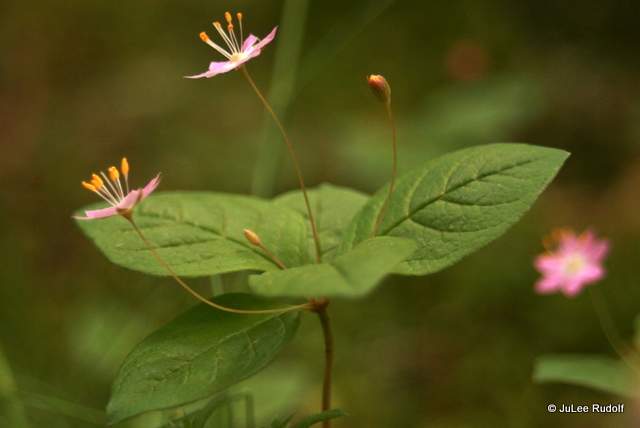


Two years ago, I came upon a plant while doing what else, running, on the Lighthouse Point trail in Deception Pass State Park. I had never seen the flower before but suspected it was an orchid. I was right. It was a Calypso bulbosa, common name: Fairy slipper orchid. From that day forward, this plant has captivated me.
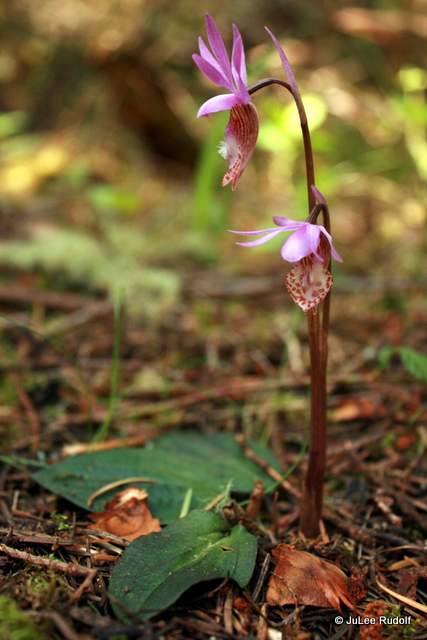
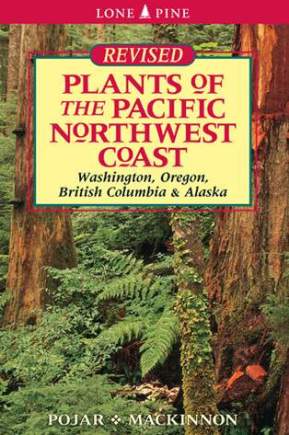 Not only did I watch for it, sometimes I’d return to places we’d seen the flowers while trail running to admire and photograph them. I checked out the most informative book you can possibly imagine about local flowers, one I’d borrowed several times before and since bought: Plants of the Pacific Northwest Coast.
From it and online sources, I learned that is has only one leaf for photosynthesis, and that “although widespread, is rapidly being exterminated in populated areas due to trampling and especially picking. The corms [bulb-like below ground stems] are attached by means of delicate roots that are easily broken even by the slightest tug on the stem. Hence, when the flower is picked, the plant usually dies.” When the orchids disappeared later that spring, I missed them and looked forward to their return. During the past two years, my obsession with this plant has diminished…slightly, to be replaced by a focus on photographing local species of wildflowers. This March, a week after noticing the first Fairy slipper of the year, I finally read a book that had been collecting dust on my book shelf: The Orchid Thief, about an odd man who became obsessed with the plants. I liked the story but its value to me was to provide perspective. My focus on flowers was nothing like this guy’s. I was relieved, though still spent hours during the better part of the past ten weeks visiting wildflower hot spots on Whidbey and Fidalgo Islands, like: Deception Pass State Park,
along the Lighthouse Point trail,
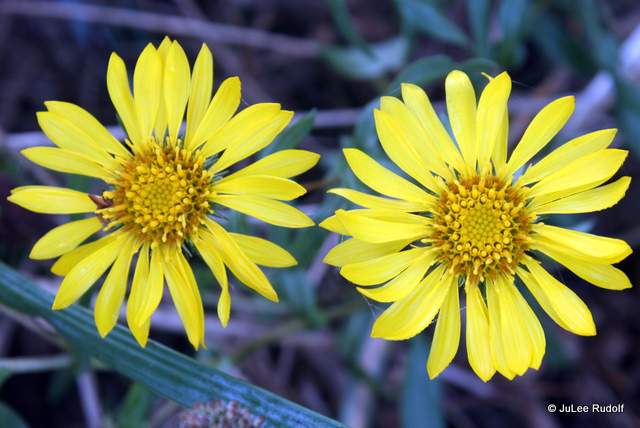
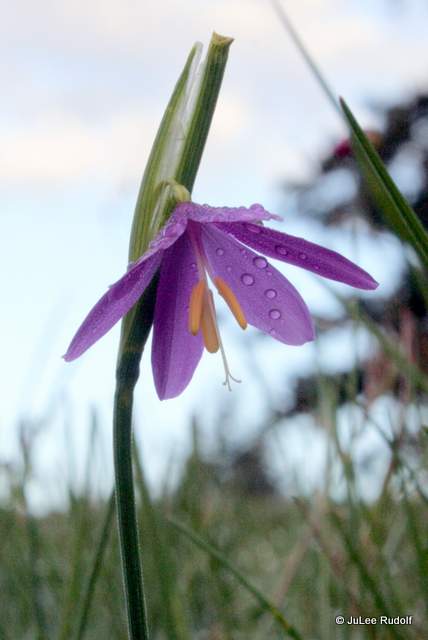
near the bridge,
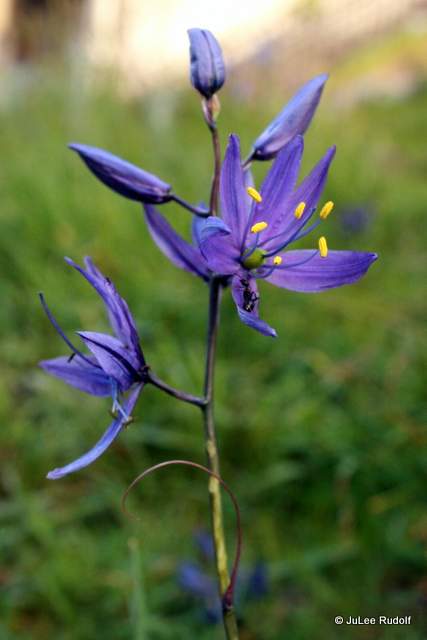
Goose Rock summit trails,
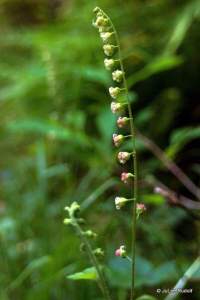
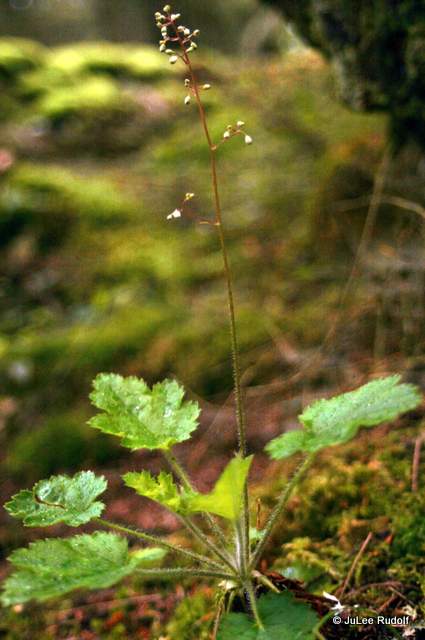
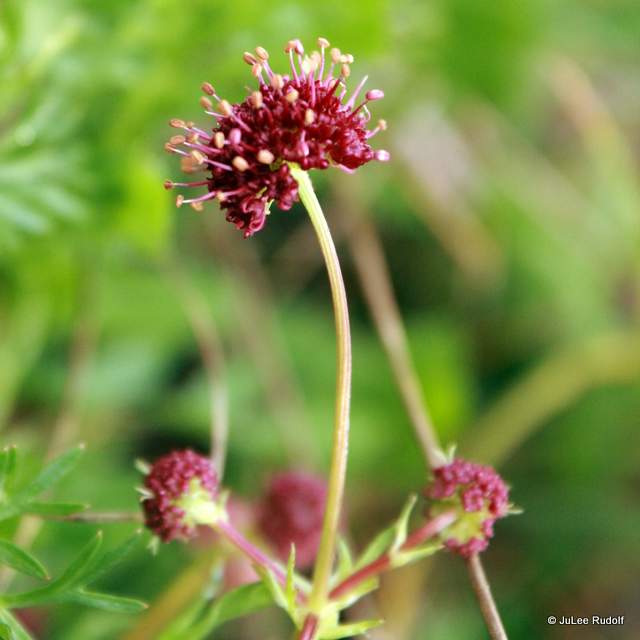
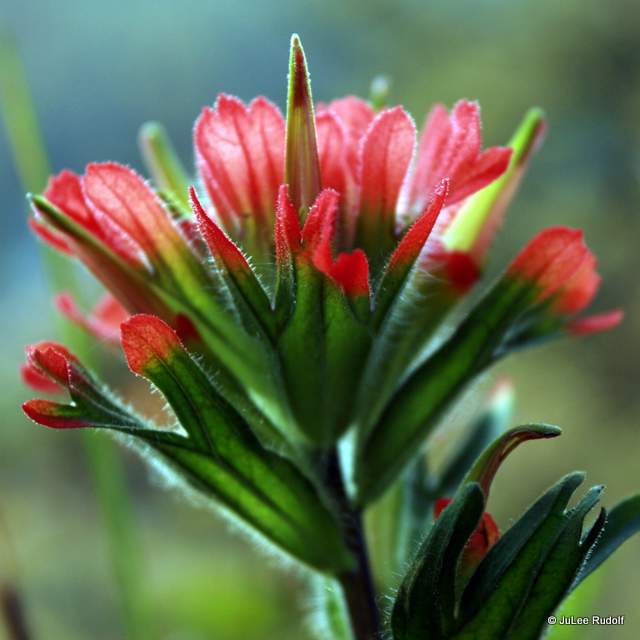
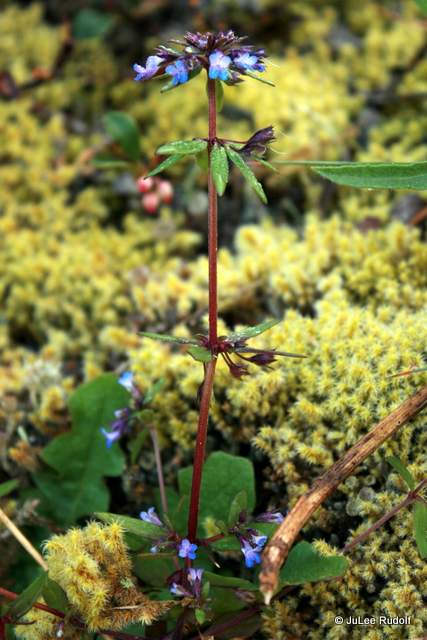
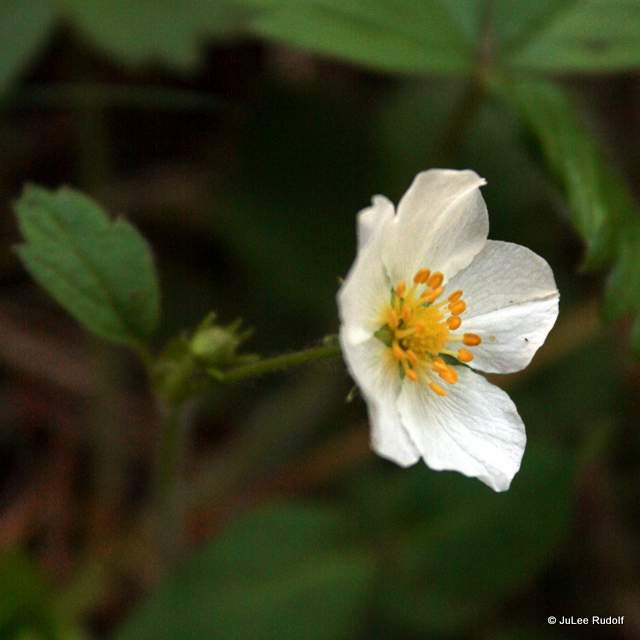
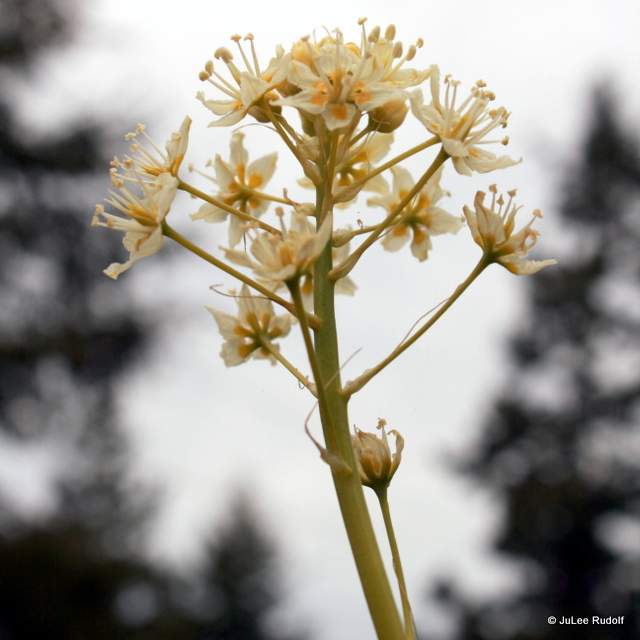
West Beach,
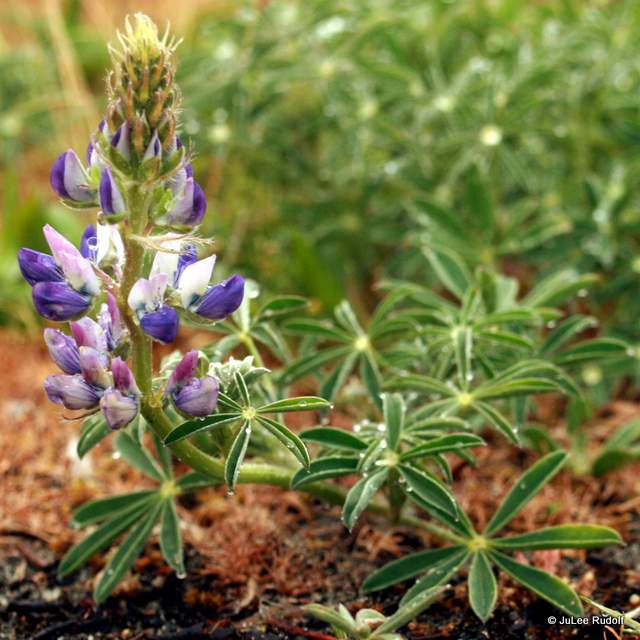
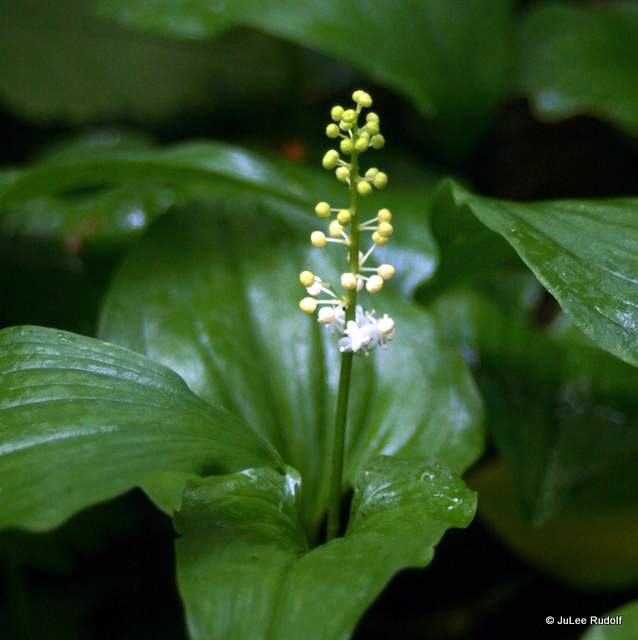
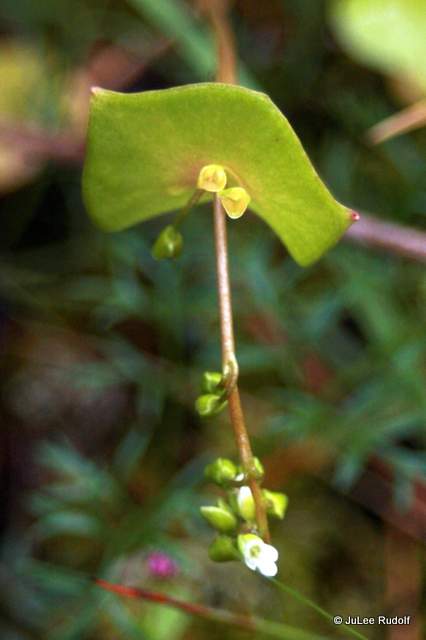
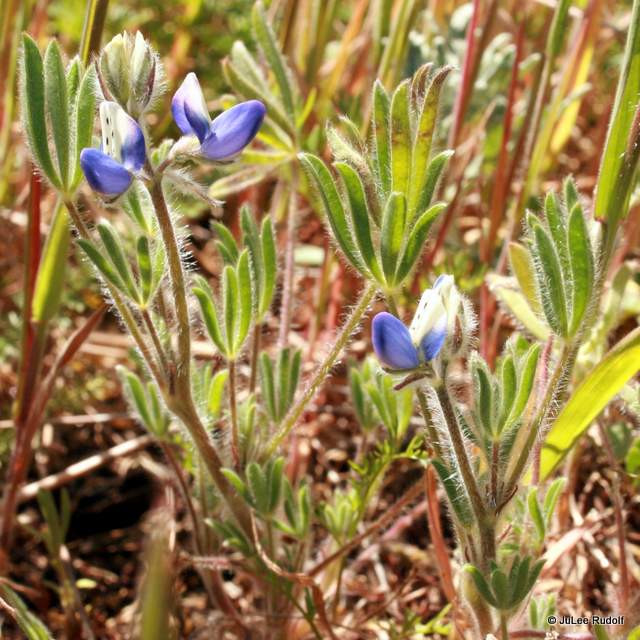
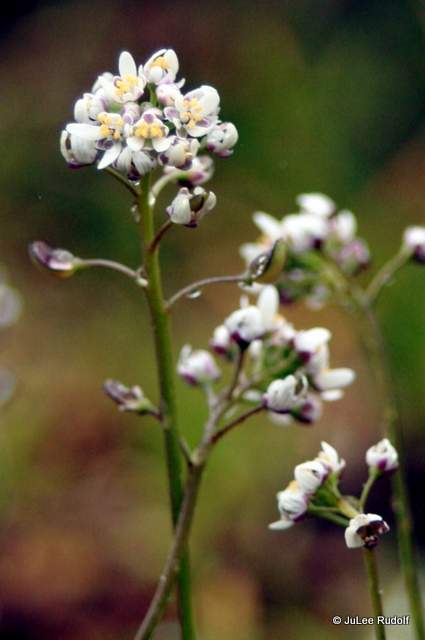
Rosario Head,
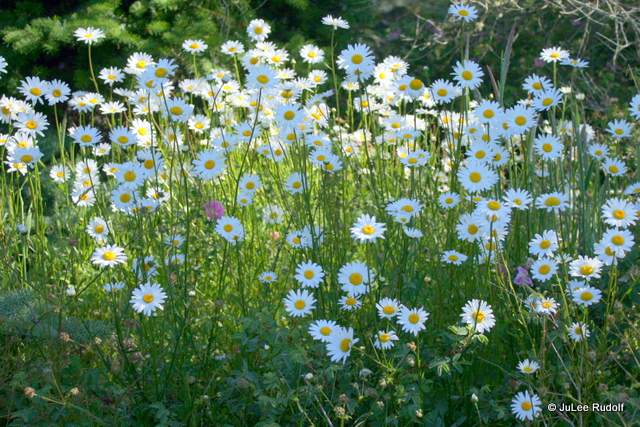
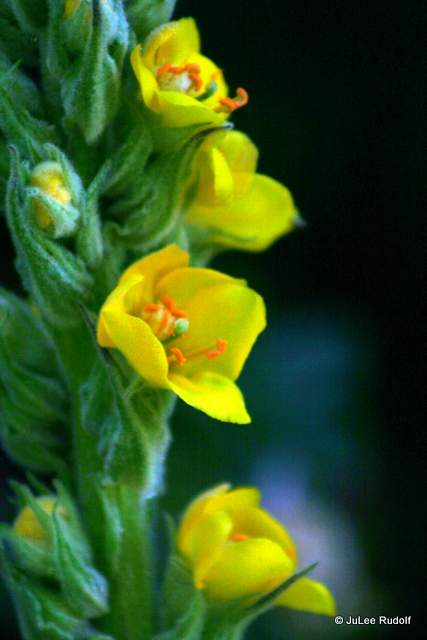
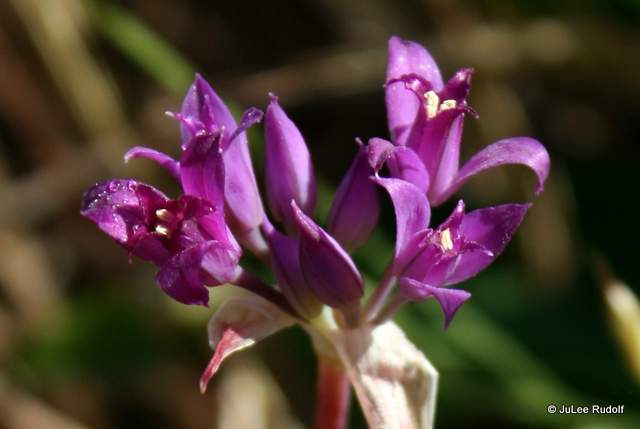
and Cornet Bay;
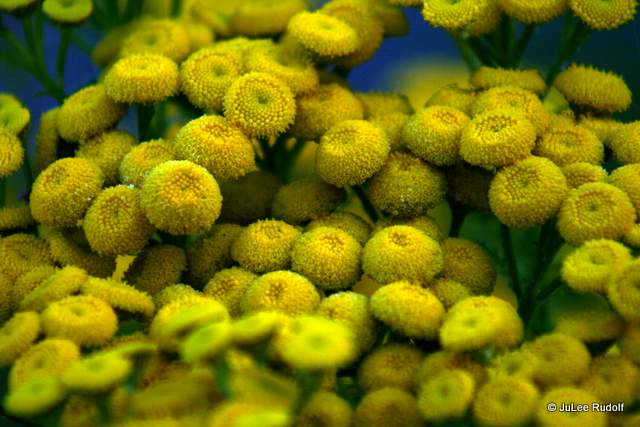
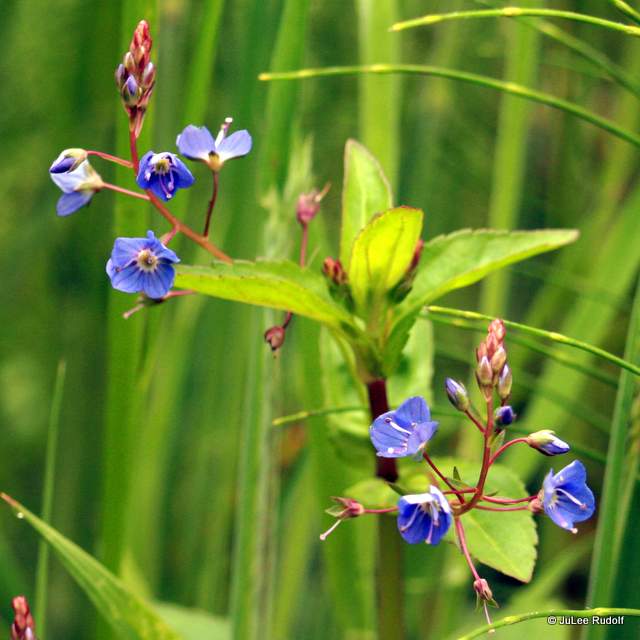
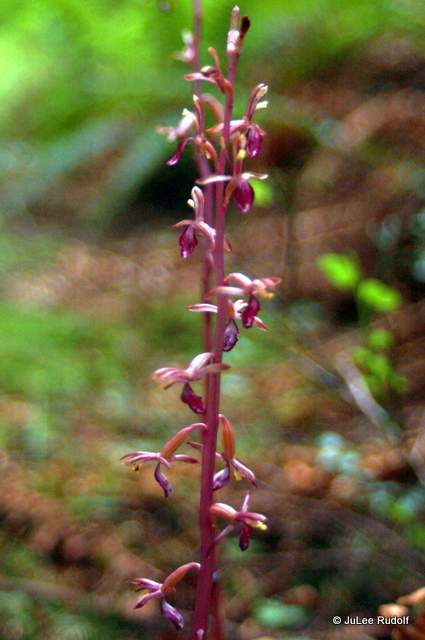
as well as Dugualla Bay;
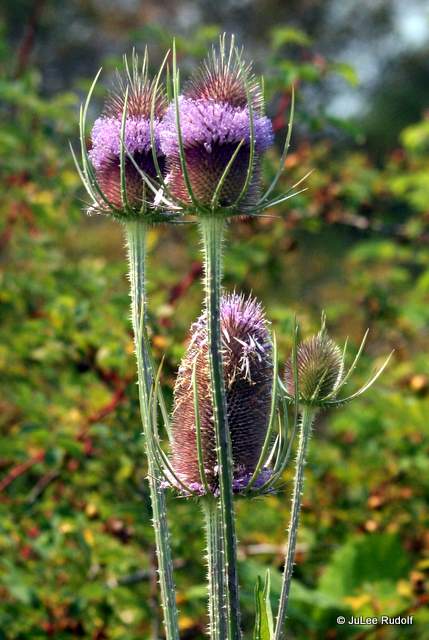
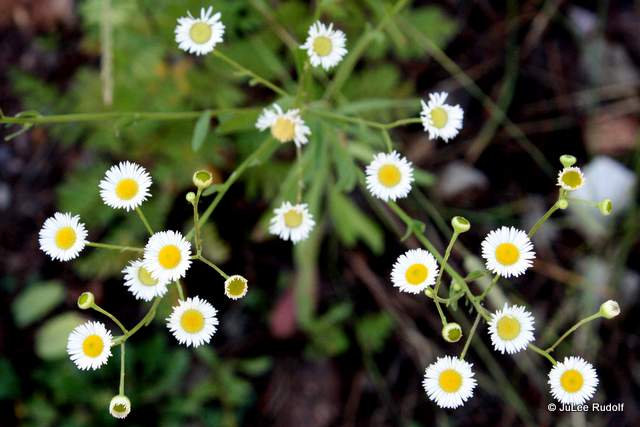
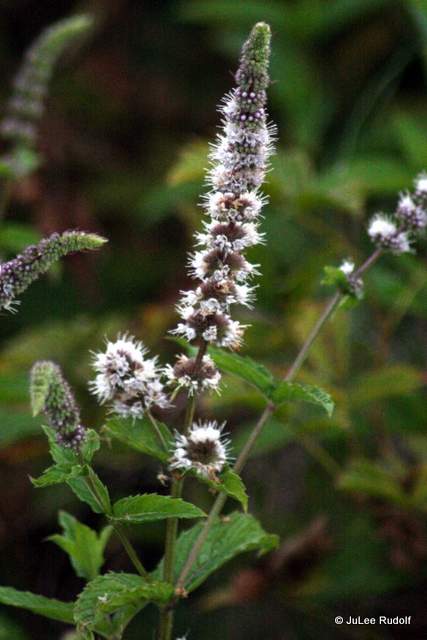
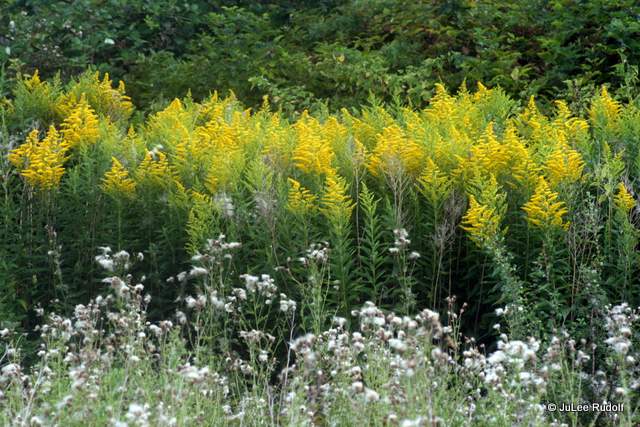
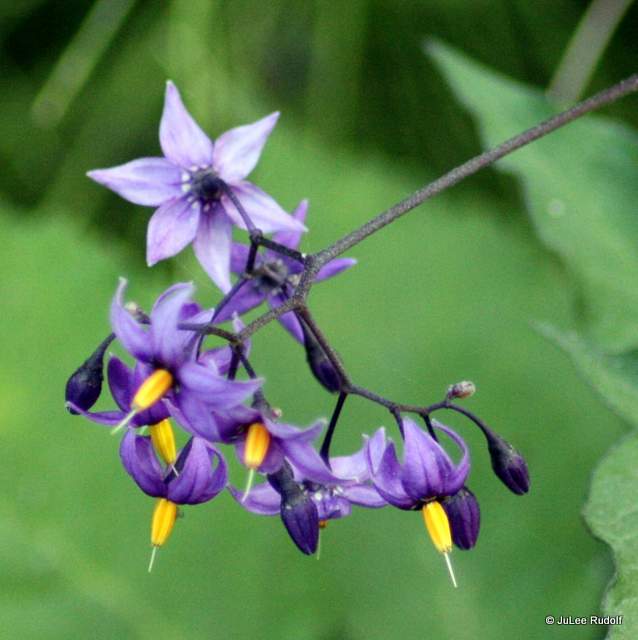
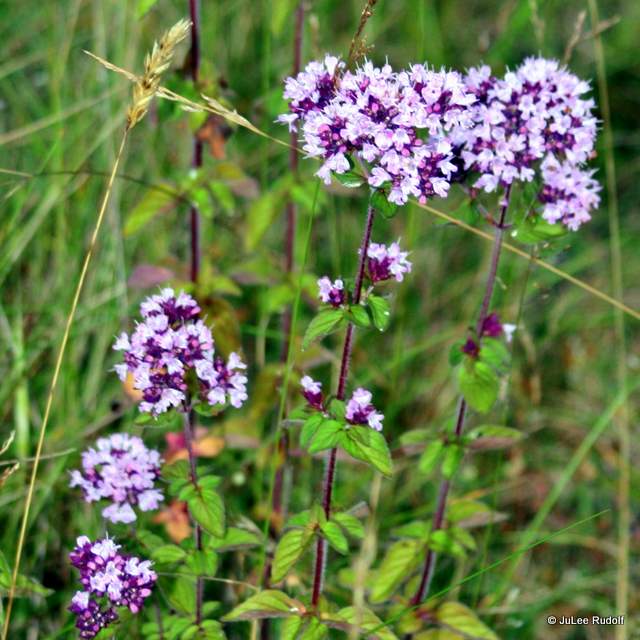
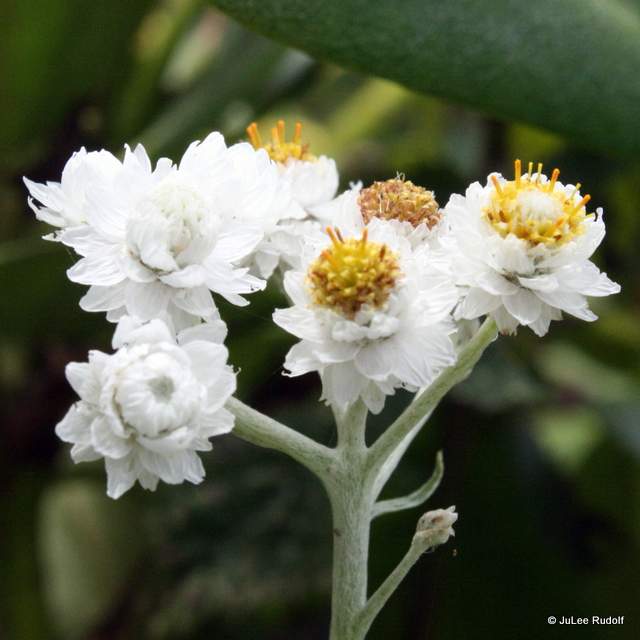
Maylor Point;
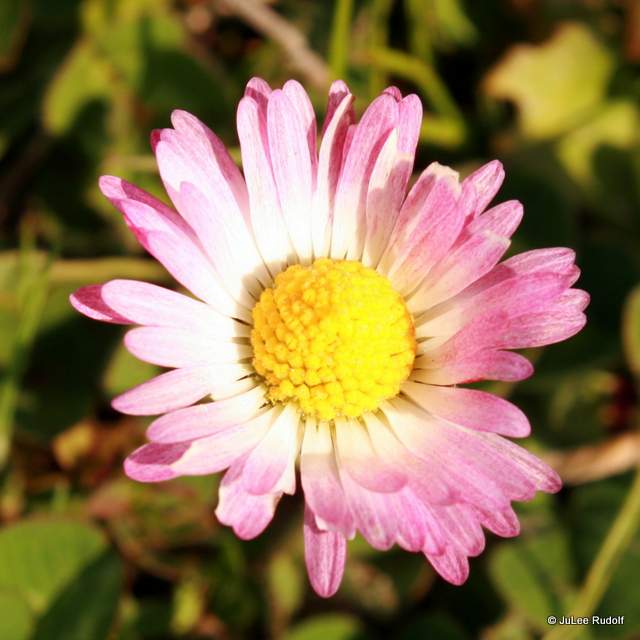
Crescent Harbor;
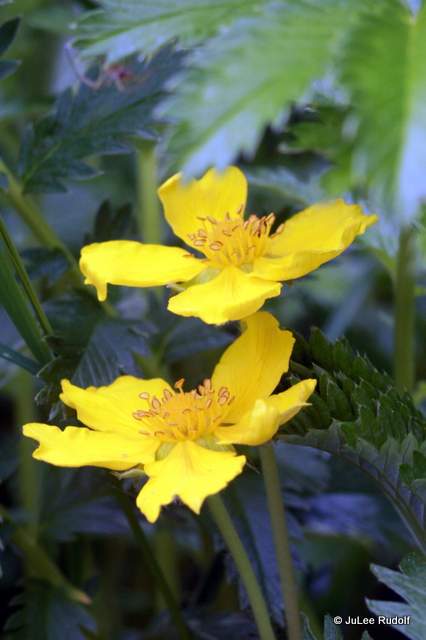
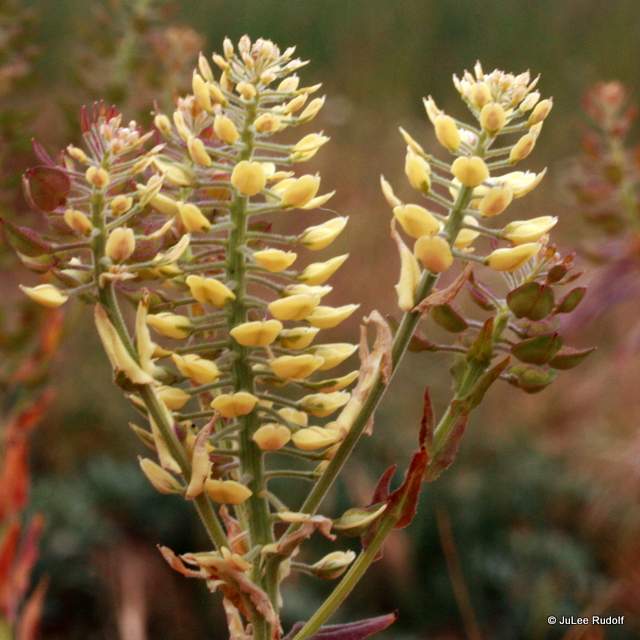
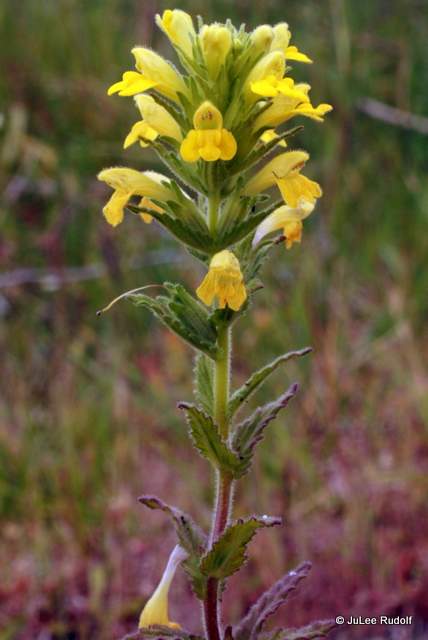
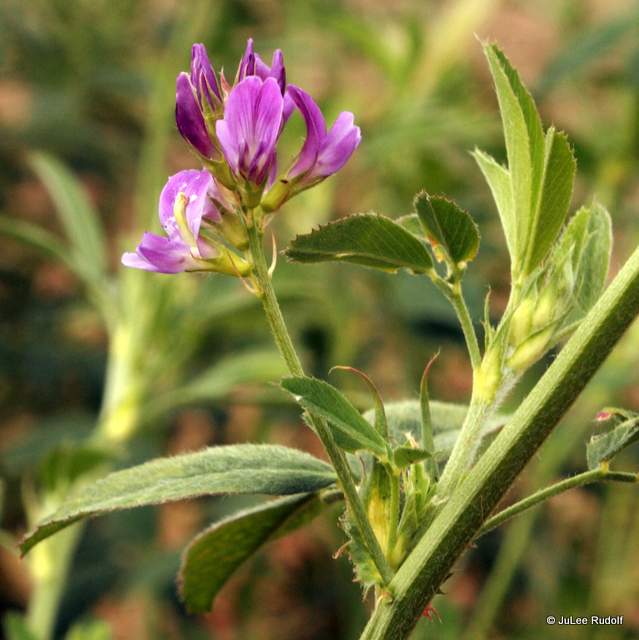
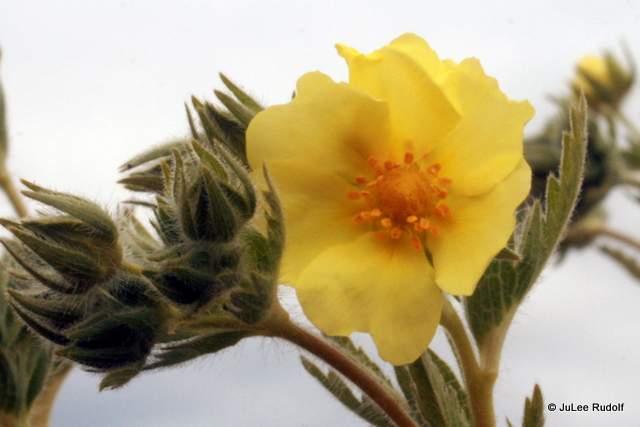
Admiralty Inlet;
Ebey’s Reserve;
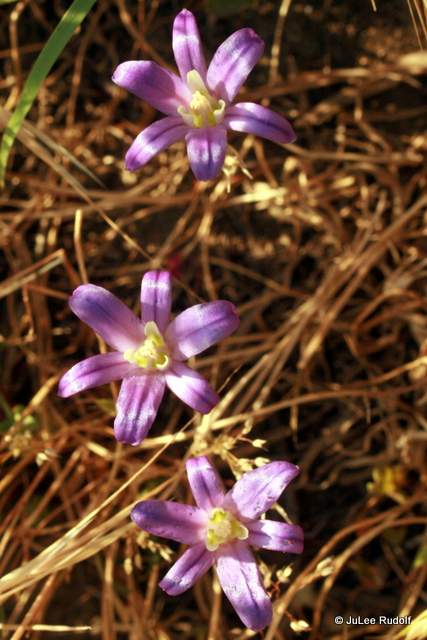
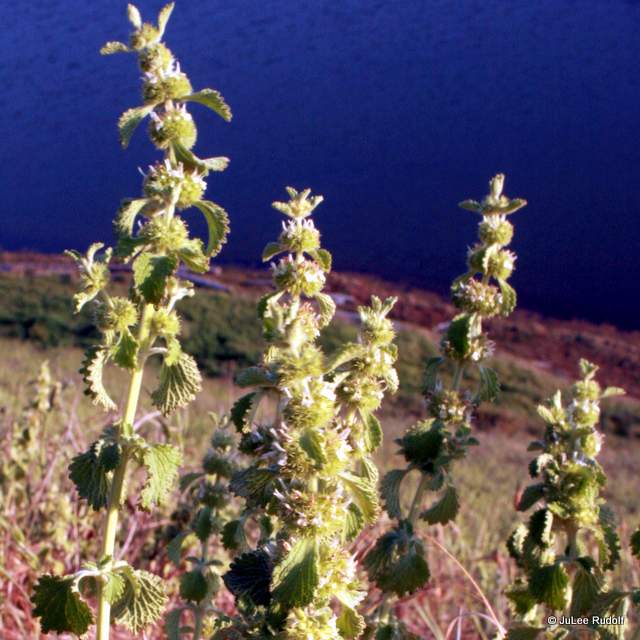
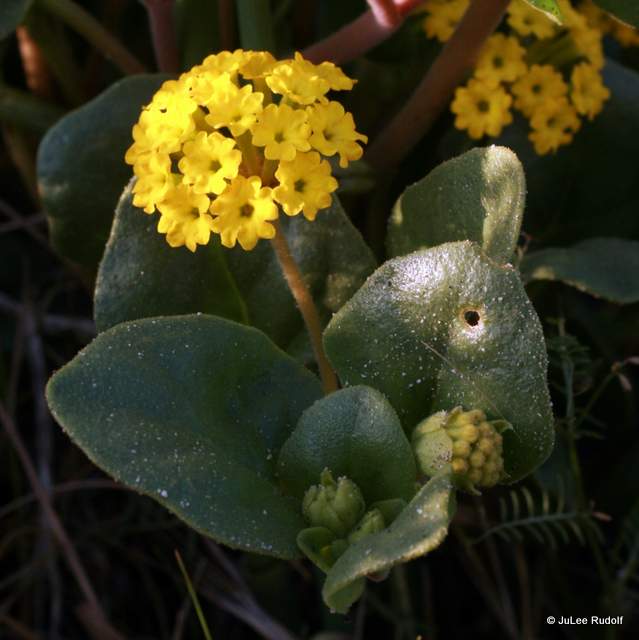
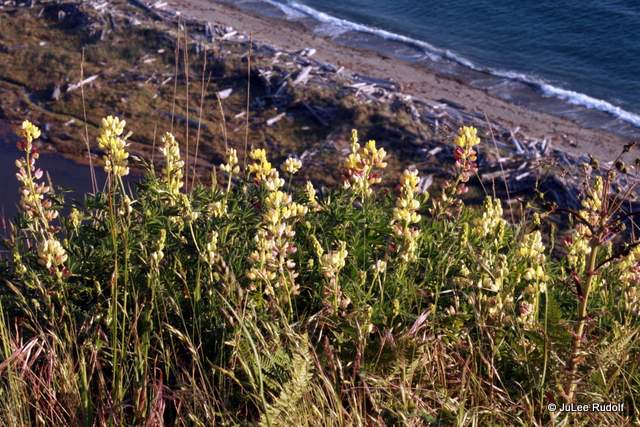
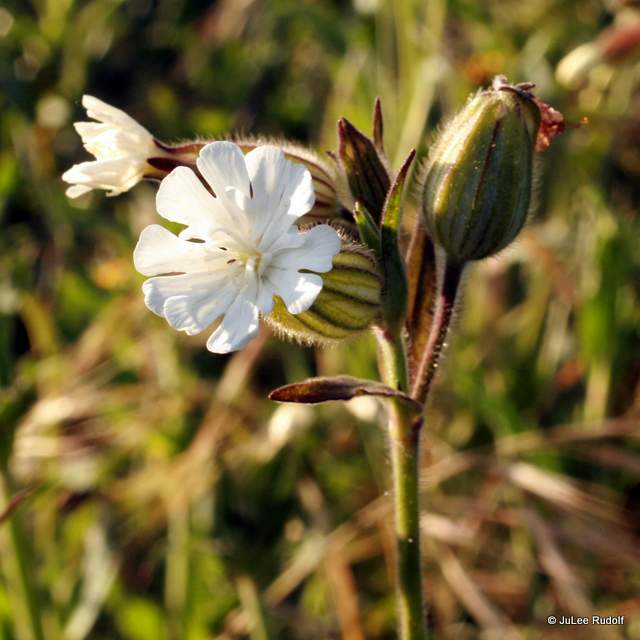
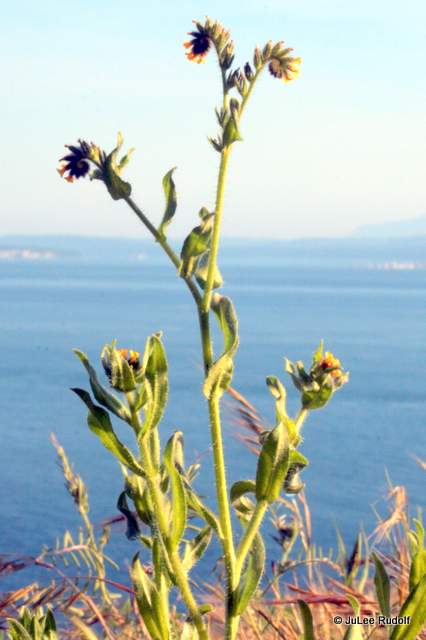
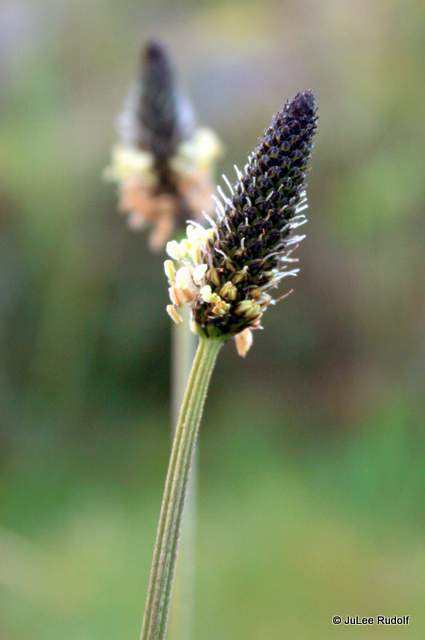
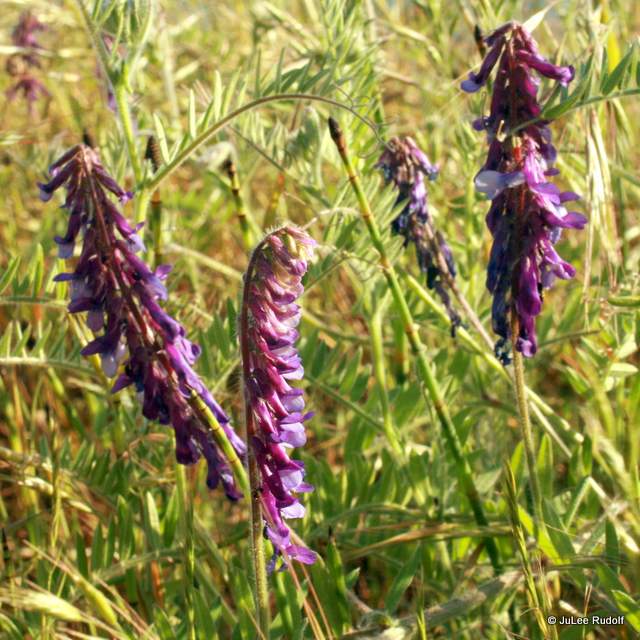
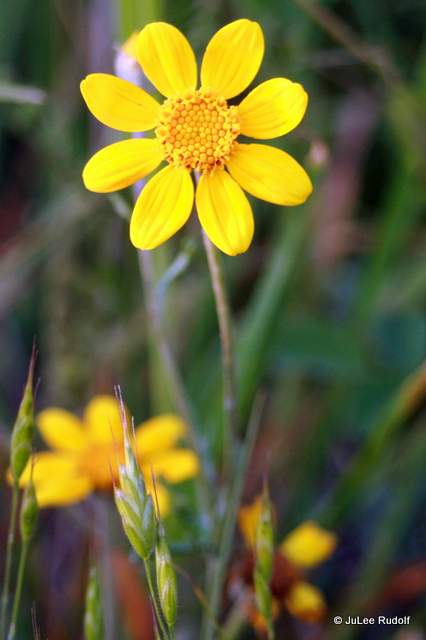
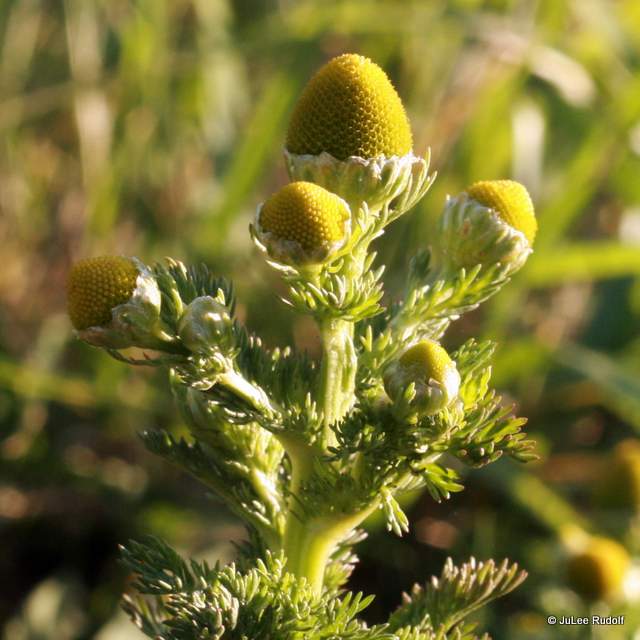
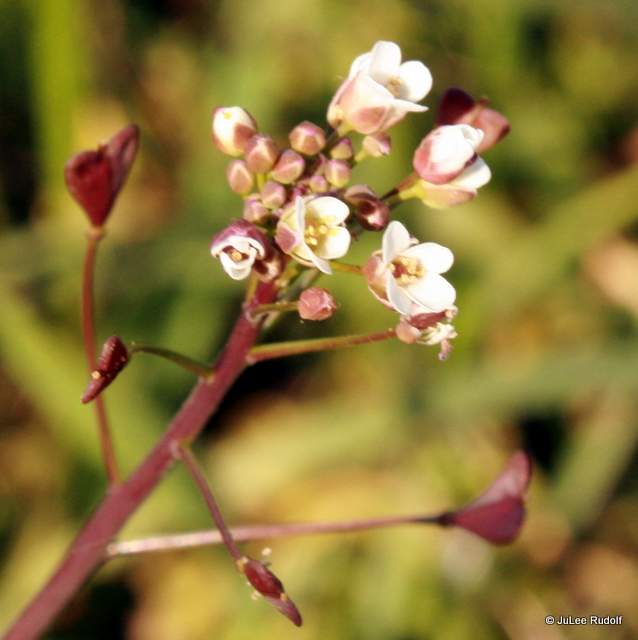
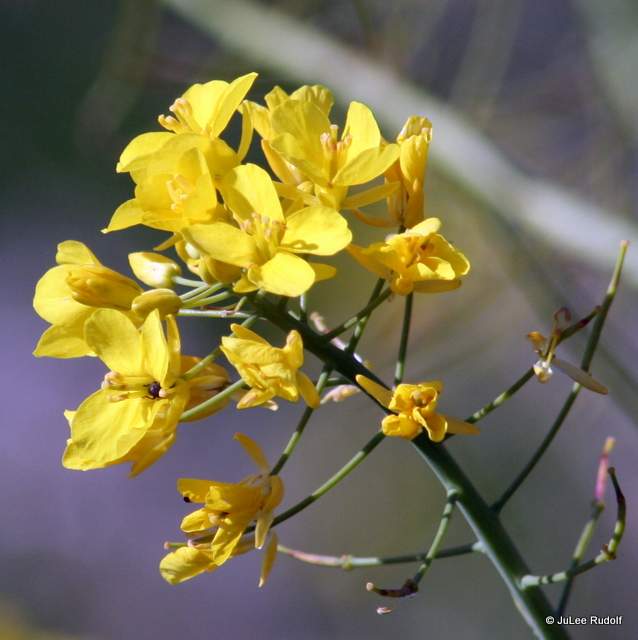
Washington Park;
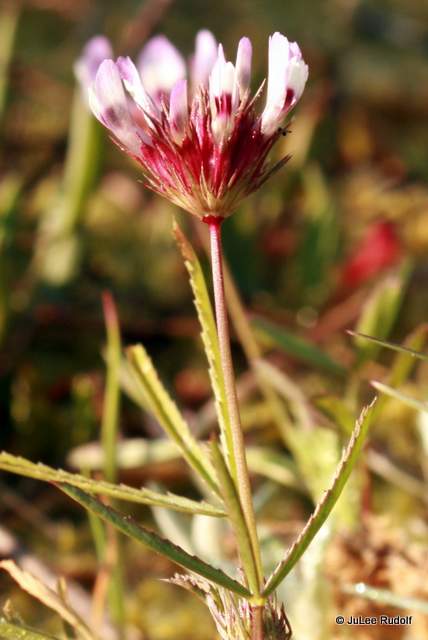
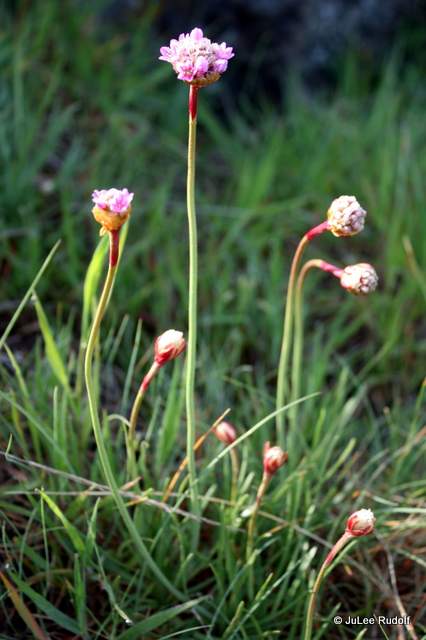
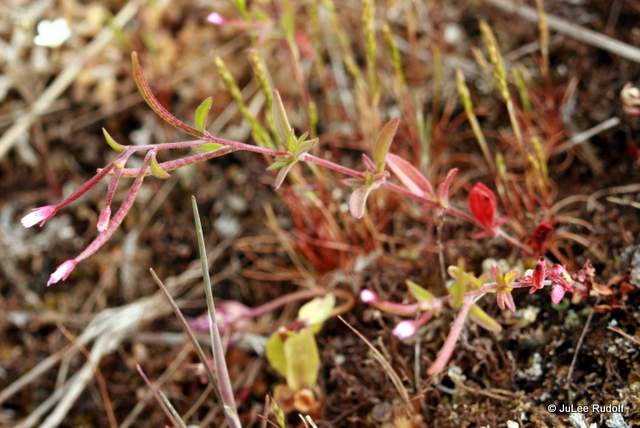
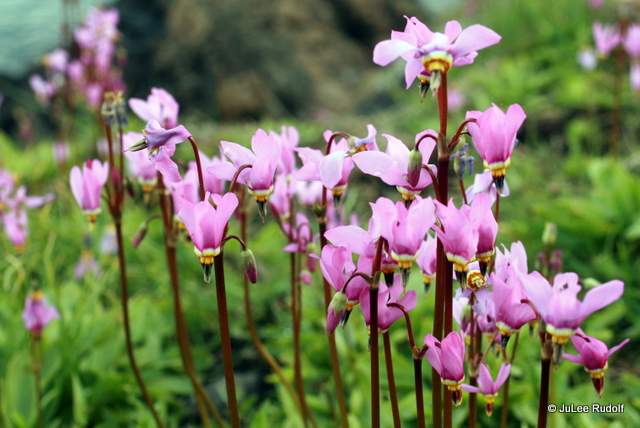
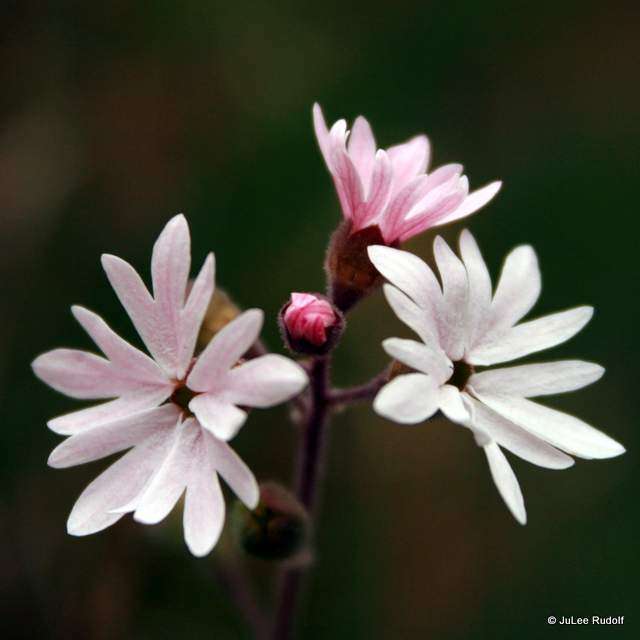
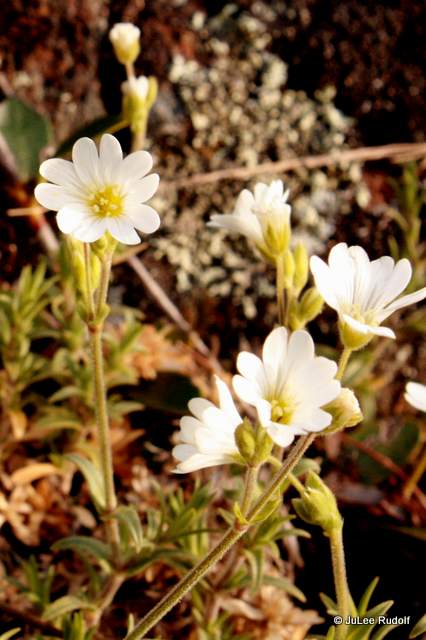
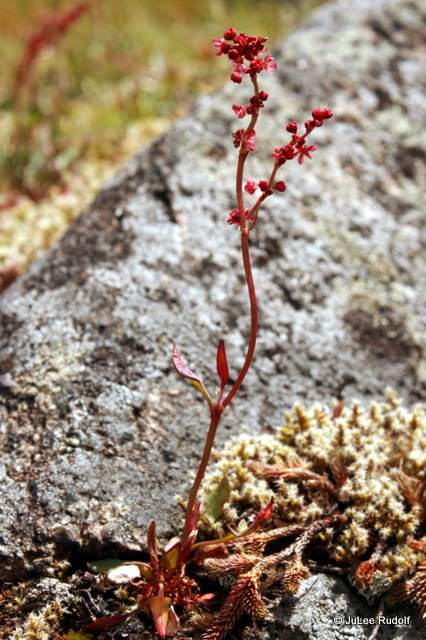
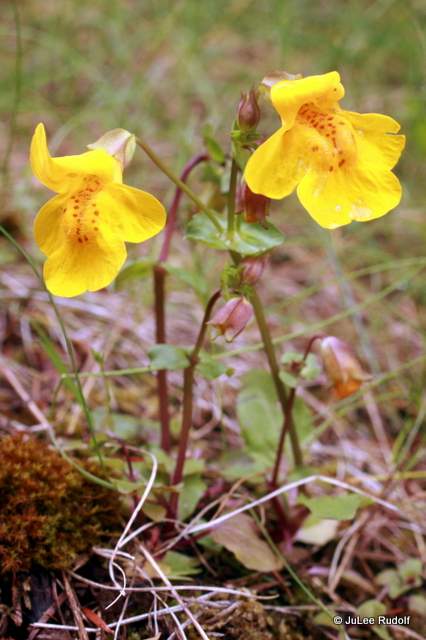
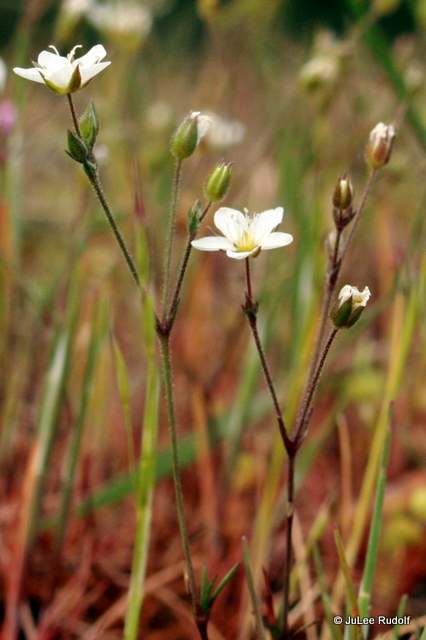
Cap Sante;
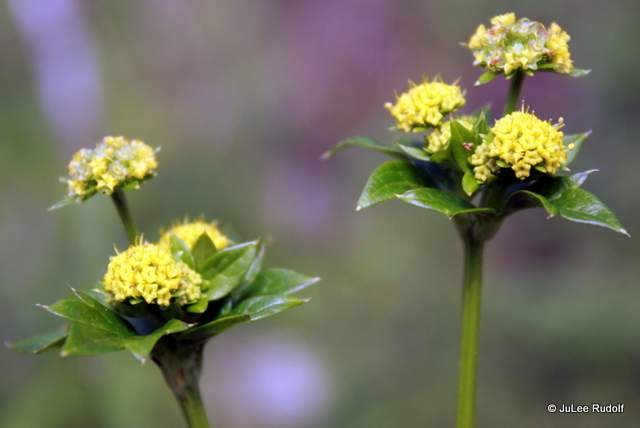
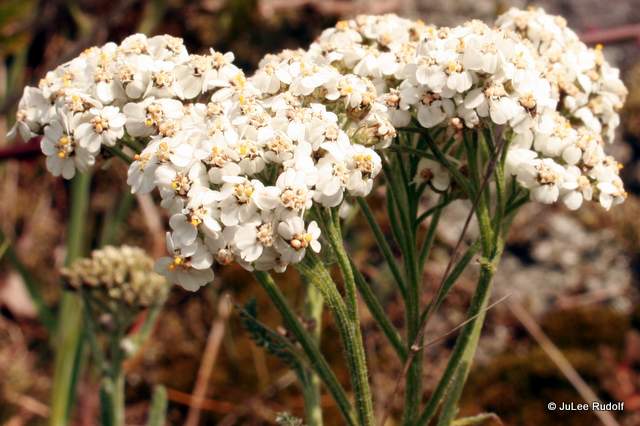
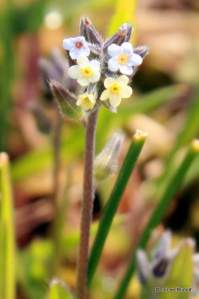
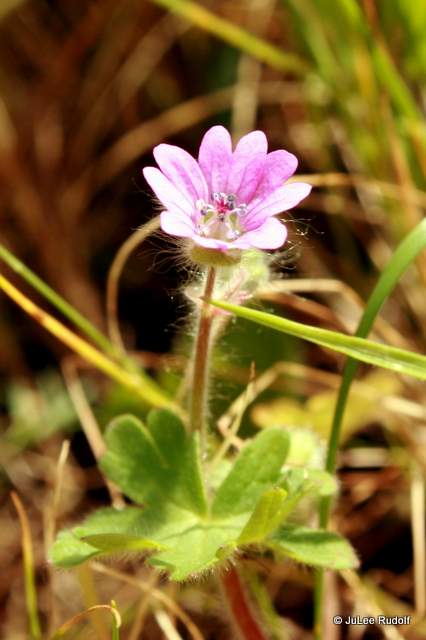
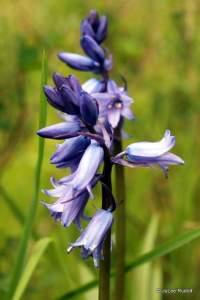
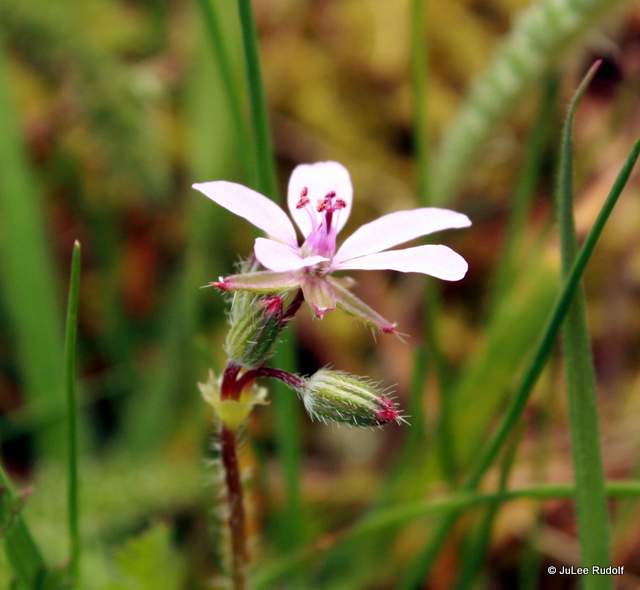
along the Tommy Thompson Trail;
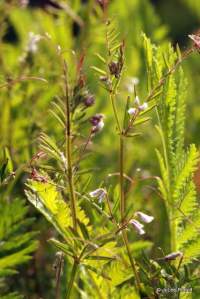
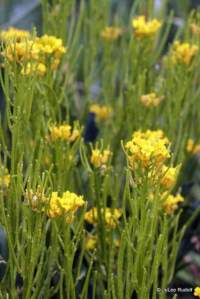
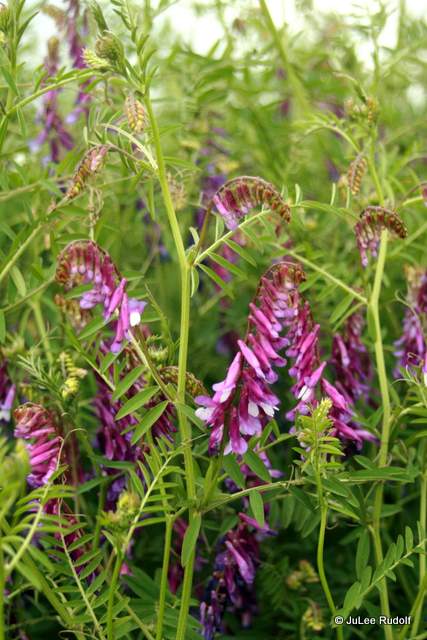
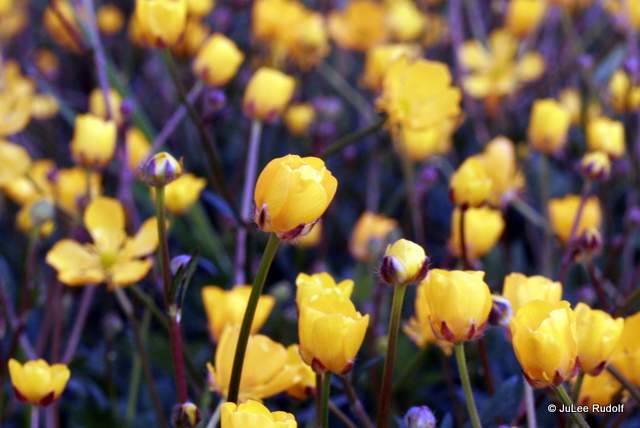
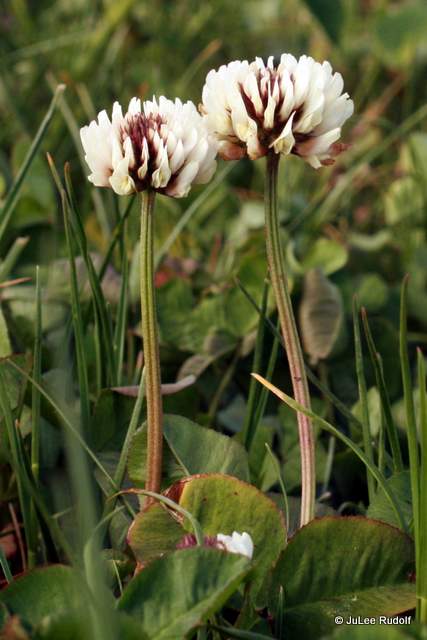
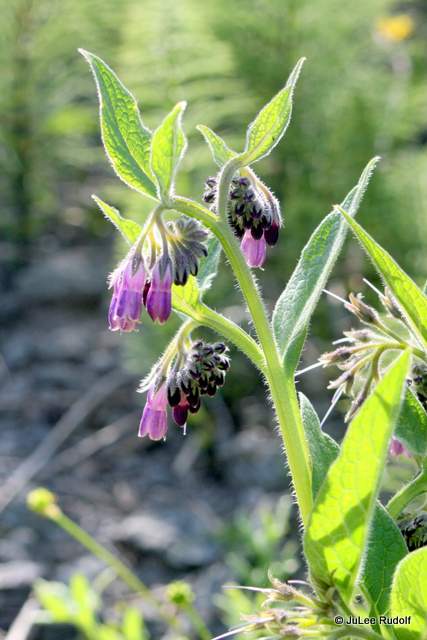
the Anacortes Forest Lands;
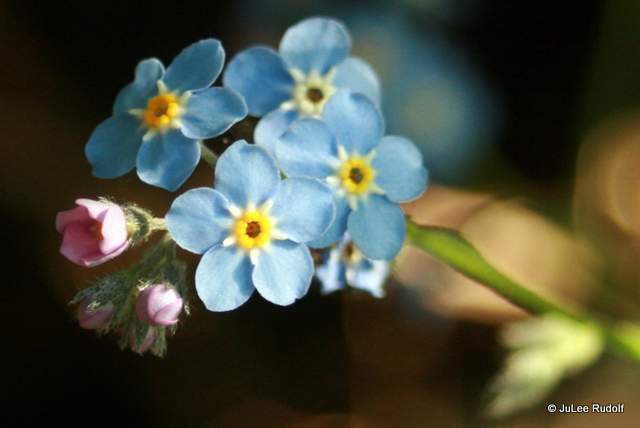
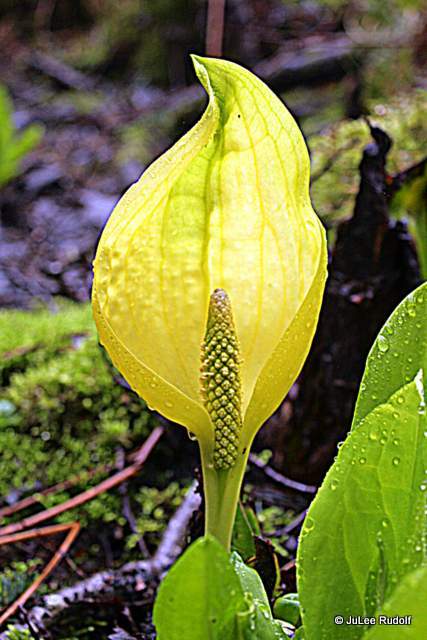
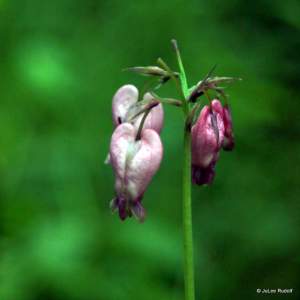
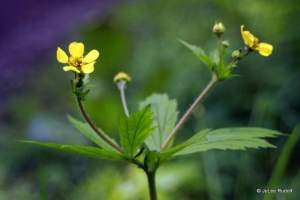
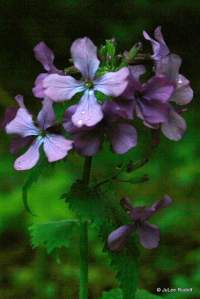
and Ship Harbor Interpretive Preserve.
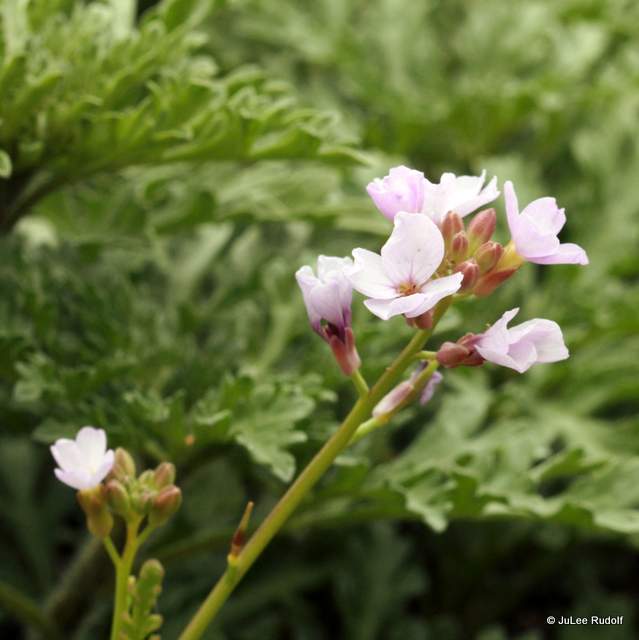
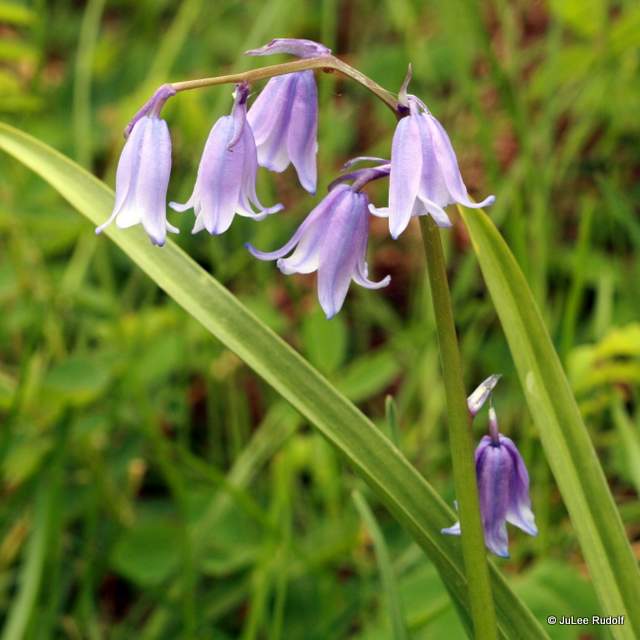
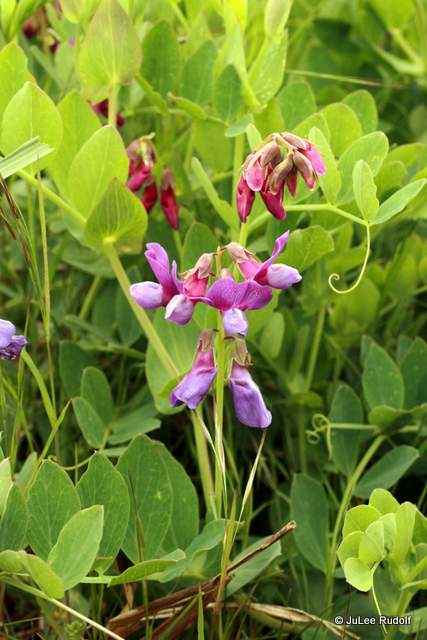
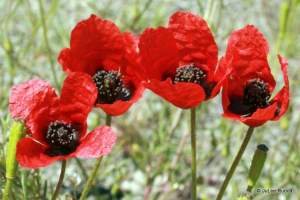
In hopes of finding and photographing about a hundred different species, I kept an eye out while traveling along local roads where I found this first one near Joseph Whidbey State Park and the second in Coupeville near OLF, a species of poppy that I haven’t quite figured out
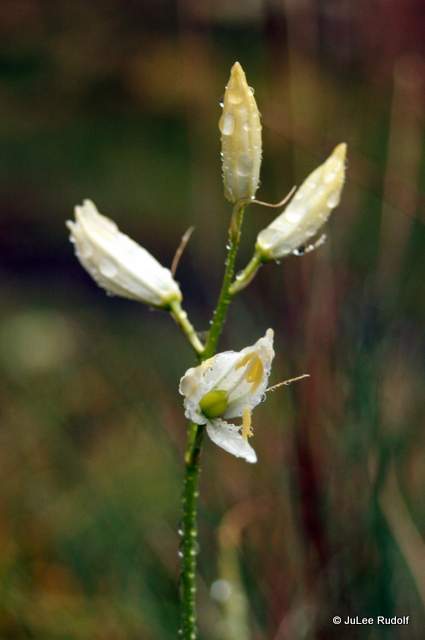
and, after noticing a somewhat rare white Camas plant among a field of blue ones, hiked half a mile to it several times in hopes of seeing it in full bloom. In apparent defiance of my efforts, the flowers remained closed day after day.
I also spent hours combing through my plant book and a couple others, Wildflowers of the Inland Northwest by Ralph and Peggy Faust, and Wildflowers of the Sea Coast in the Pacific Northwest by Lewis J. Clark. Looking at the field guide photos, I realized how lucky and efficient it is to use digital camera technology.
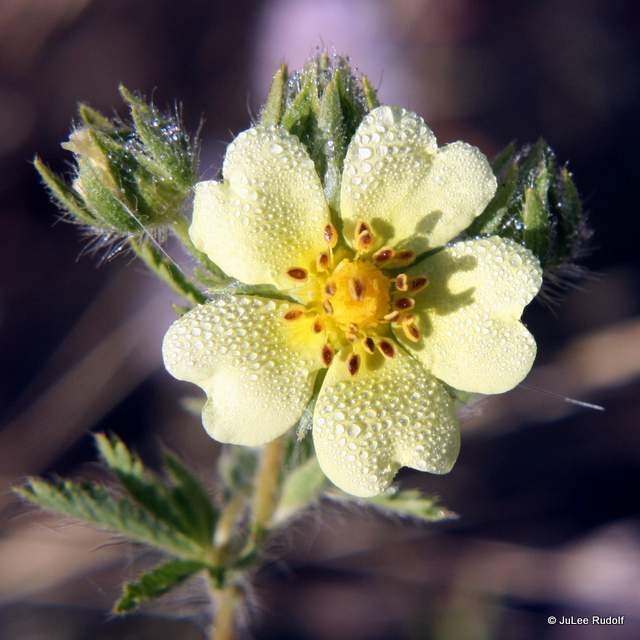
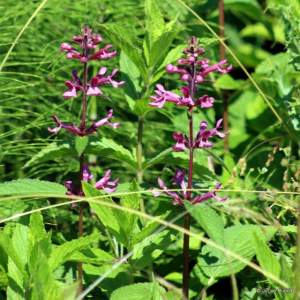
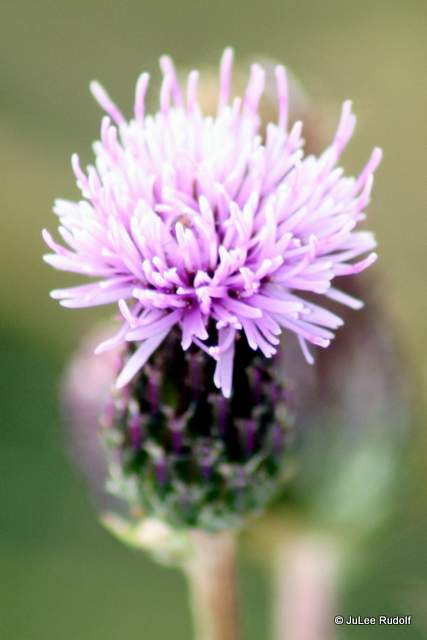
I agonized over the best way to prepare a post about flowers. Should it contain hints to getting a good shot? Or was it better to talk about the likely-to-see-wildflowers spots. I decided on a combination of both and on the advice of my runner friend Catherine, who majored in science in college, decided to provide scientific names, which are nearly universal, to accompany the images rather than common names, which vary. I’ve left unidentified species blank but will update them. I photographed nearly all of these plants between mid-March of this year, when I noticed that first orchid in bloom, and the end of May with a Canon Rebel XTi DSLR camera, and edited them in Picasa. Full disclosure: I used my favorite photo editing feature: the auto-color/auto-light correction button <I’m Feeling Lucky> on nearly every photo; however, I neither saturated nor boosted the color on these photos.
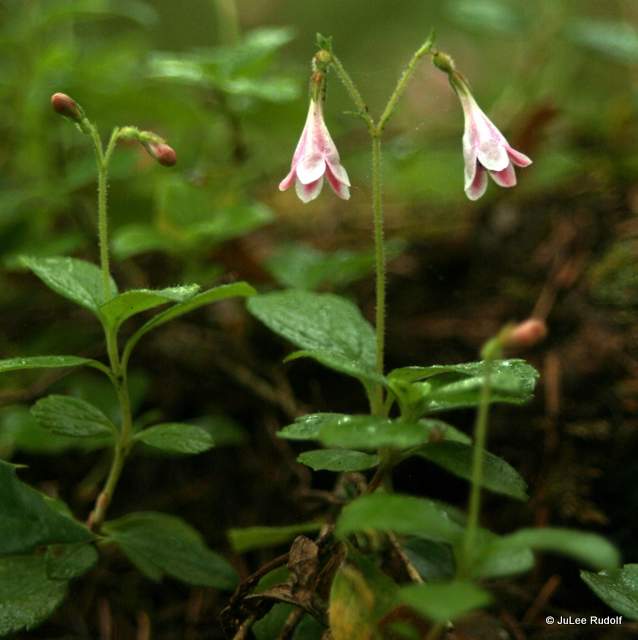
From my field guide, I learned the difference between plants and shrubs, which would seem obvious, but isn’t always, “Shrubs are woody plants less than 10 m tall when mature and usually multi-stemmed.” The Wildflower part begins, “This section includes all non-woody flowering plants…It is divided into 24 parts. Twenty-three of these represent the major plant families, and the 24th includes flowers from other, smaller families.” Although the difference would seem obvious, it isn’t always. The Twinflower is a shrub.
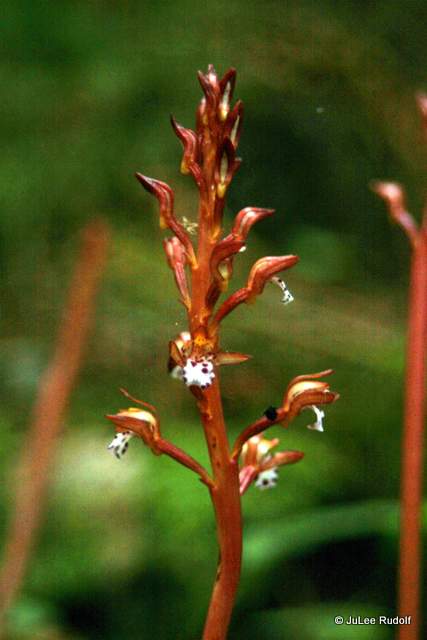
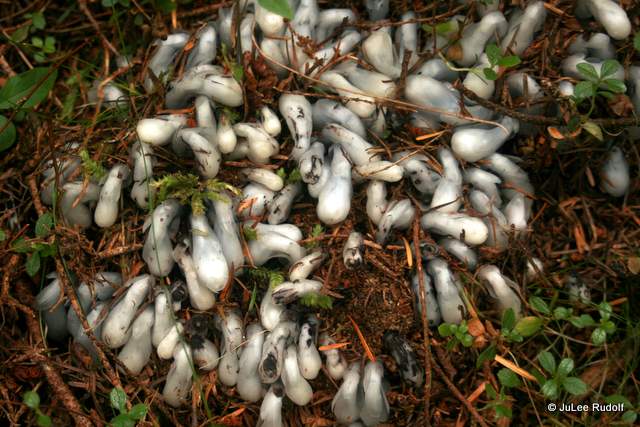
During my 100 species of wildflowers quest, I was not always successful in finding specific plants. Besides the Camas-that-refused-to-bloom, I was unable to find a cooperative Indian pipe plant. I found at least half a dozen piles of the plants apparently ready to emerge from the ground, but none ever did. This was the best shot I could get.
But my biggest disappointment was in not being able to find, observe and photograph the rare Golden Paintbrush plant in its native habitat. Per a Whidbey News Times article, “Populations of Golden Paintbrush are found in only 11 sites in the world, including nine in the United States. Of those, five are on north and central Whidbey Island.” For now, I provide this placeholder, a shot of yellow flags marking Golden paintbrush plantings on Whidbey Camano Land Trust-preserved parcel, the Naas Prairie Unit of the Admiralty Inlet Preserve.
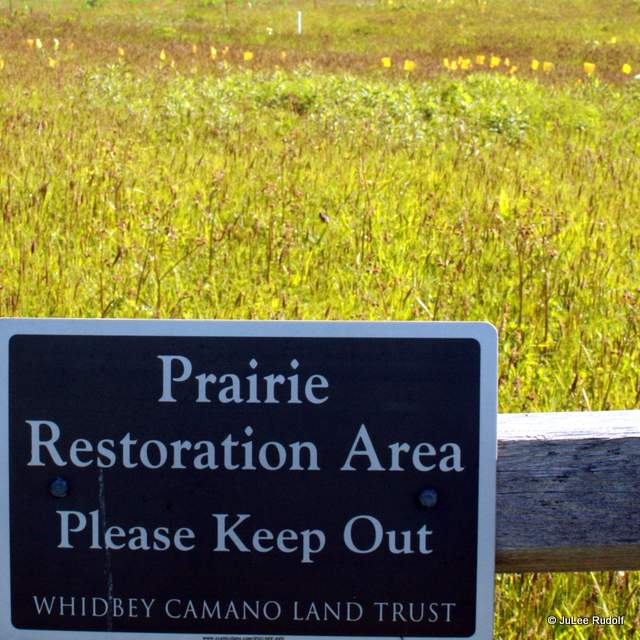
In closing, I’d like to share some of my favorite images with, what else, random commentary.
Still my favorite flower photo of all time.
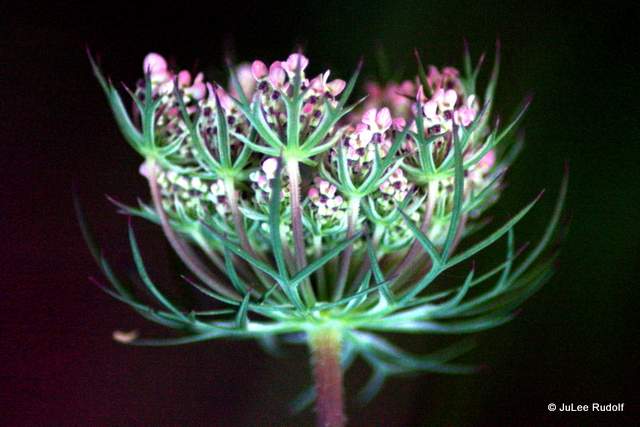
These plants are parasites.
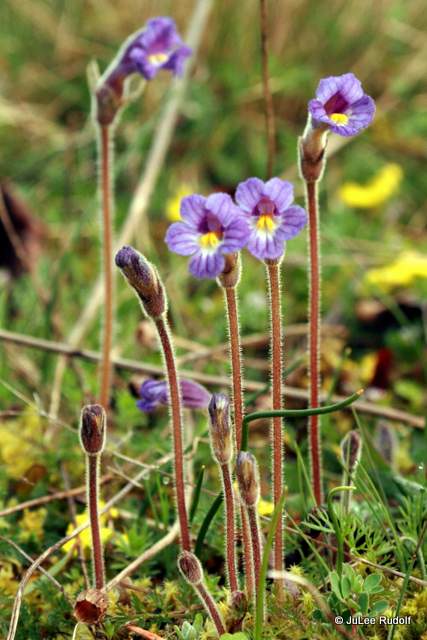
I’ve found that early morning light, just after sunrise when the sky is clear, provides soft light and shadows, which are perfect for flower photography.
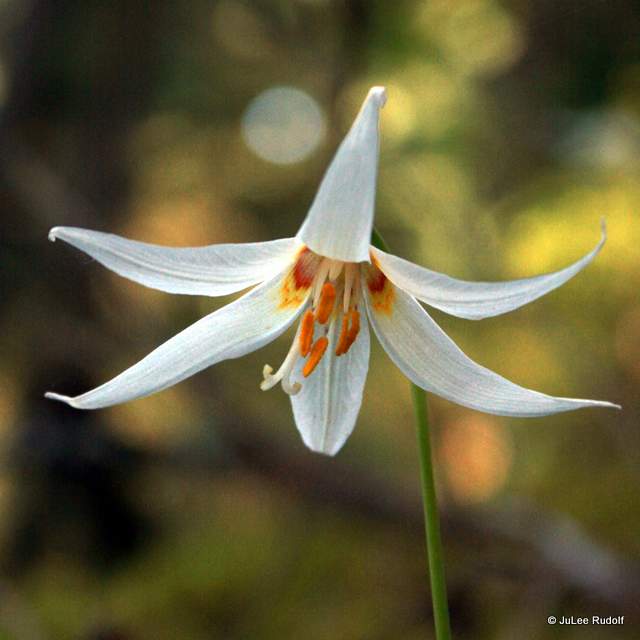
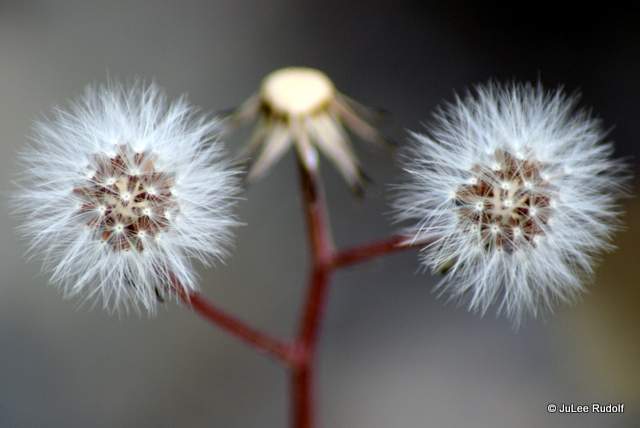
Courtesy of George Washington Carver, “A weed is a flower growing in the wrong place.” Even the most common (most annoying) plant can make a great subject. Don’t forget the dandelions,
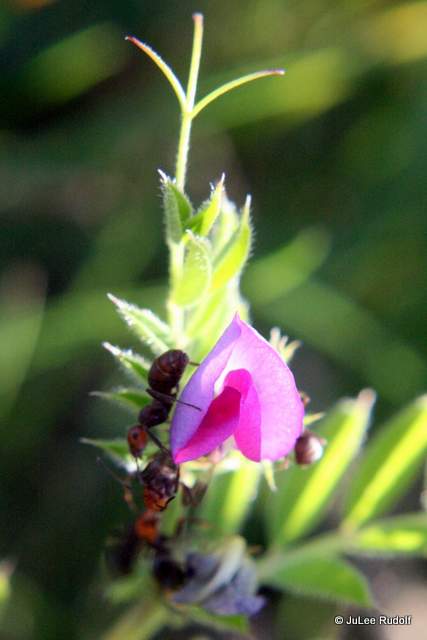
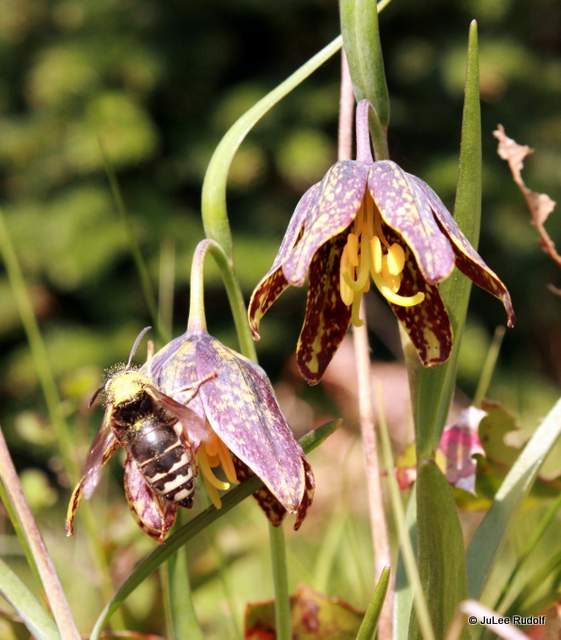
Include insects or other familiar items to show scale.
We are all used to photographing in “plan view,” but shots from the side
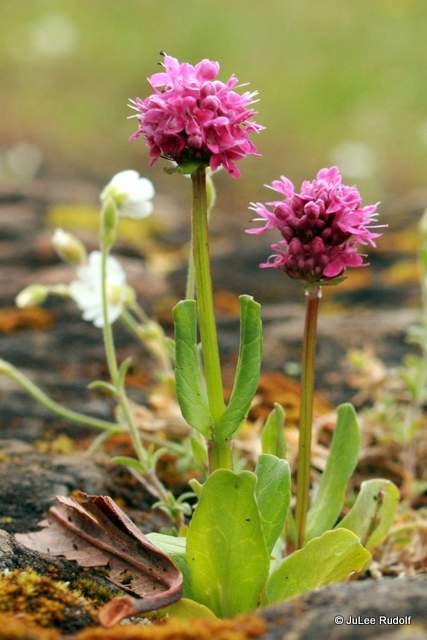
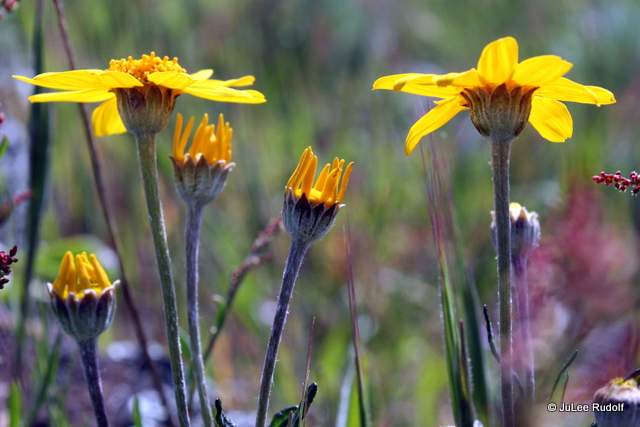
or below are also nice.
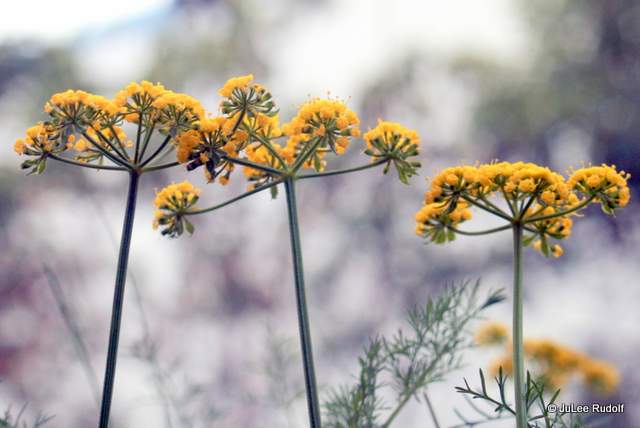
Brave the rain. Water can add a whole new dimension to your shots.
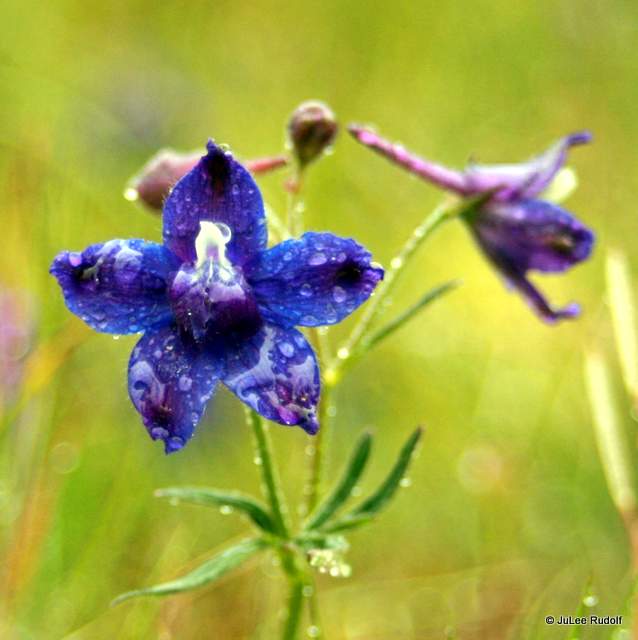
Be a composer. I found this flower growing out of a soil-filled crack in a massive boulder near the south end of the Deception Pass Bridge.
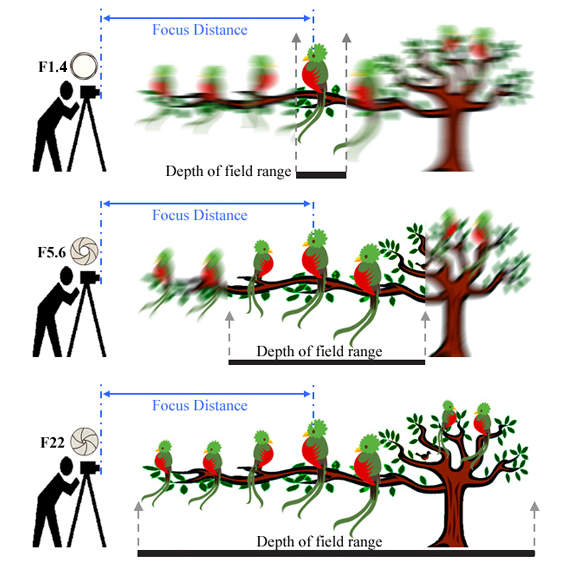 Understand your camera settings like f/stop, well-explained in this Charlotte Photography blog post with help from this image.
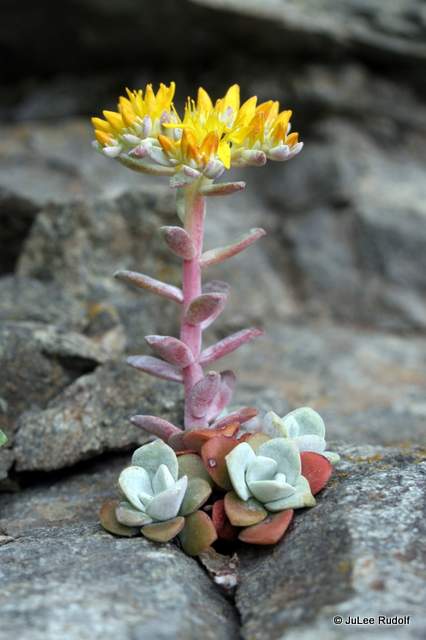
and take lots of shots: I took about a dozen images of these flowers to get a depth of field and focus that I liked.
Finding and photographing wildflowers on Whidbey and Fidalgo Islands over the last few months has been fun but time-consuming. It’s time to move on to a new subject.
Notes:
I welcome corrections or additions to my attempts at plant identification.
Although I provide the geographical location of plants in specific photographs, I observed most of these plant species at multiple locations.
I hope that these images of plants from Whidbey and Fidalgo Islands inspire you to get out there on the trails, especially those at Washington Park, Ebey’s Reserve and Deception Pass State Park to stop and smell, admire, and photograph the wildflowers.
 Site Title
Lovely flower photos!!! nice job!
LikeLike
Thank you for your kind words, as usual. You’ve been great and I so appreciate your support!
LikeLiked by 1 person
Thank you for this wonderful page my mother’s and I are going on a nature hunt as a mother’s day present and I bought her a vice so we can pick a bouquet using some of these flowers.
LikeLike
Hope you had fun and found some great flowers, but please don’t pick the fairy slipper orchids (I think they are finished blooming by now anyway). Take care, J
LikeLike
What an embarrassment of riches! I’m not sure I remember how I stumbled on your blog….but anyway, we’re moving this summer, most likely to Anacortes or somewhere on Fidalgo, and it’s wonderful to see that you found such an abundance, not far from home.
LikeLike
Lynn! I’m now following your blog and the wonderful photographs. I wish you the best as my new Fidalgo Island neighbor. Check in some time if you are interested. I still know all the best places to find flowers and I’d be glad to take you if you’re interested. Cheers.
LikeLike