“It’s Ragnar Trail for babies,” I told my teammates a month from the start of the race. I’d seen the trail map screen and neglected to notice that the 800′ of climb shown was for the Green Loop only. A week later, while scrutinizing the site, I realized my mistake. Total climb: 4,500 feet, which gives Ragnar Trail Rainier “RTR” the distinction of being the toughest race in the Ragnar series of 17 trail races in 16 states, plus one in Ontario, Canada.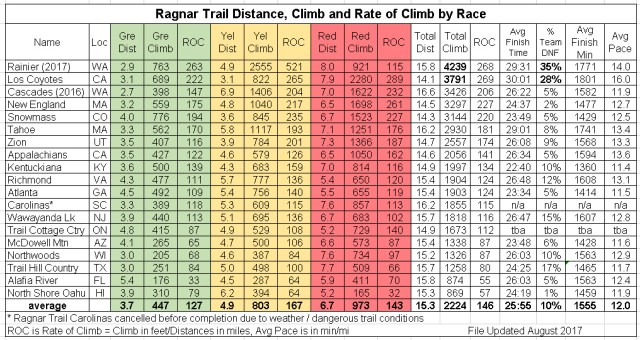
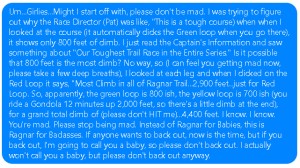
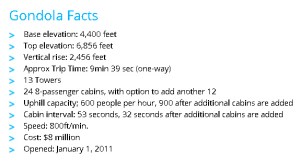
 Once I realized what I’d done, I had to inform my teammates, which I did via IM. Nobody backed out, but then, my teammates are trail runners and trail runners ain’t no babies. By my calculations, our team’s race duration would be about 31 hours, which seemed like a lot compared to last year’s 24.5 hours for Rainier Trail Cascade “RTC.” I emailed Pat, the race director, to point out the much later finish times because of the gondola ride and tougher course than RTC, asking to start “several hours earlier.” I never heard back; however, two days later, they’d updated the site. The gondola ride would now be outside the limits of the race (saving each team a whopping 3.2 hours), forcing the hardest (uphill) loop to become Yellow instead of Red, and requiring two exchanges, a brilliant, yet confusing, logistical fix. The earliest start times were moved up two hours from the typical Ragnar Trail race to 7:30 am. I calculated our finish time as 1:40 pm, which ended up being within 35 minutes of our actual finish. My only mistake: neglecting to account for how much tougher it is to run on trails in the dark.
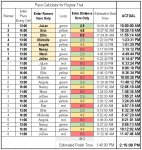
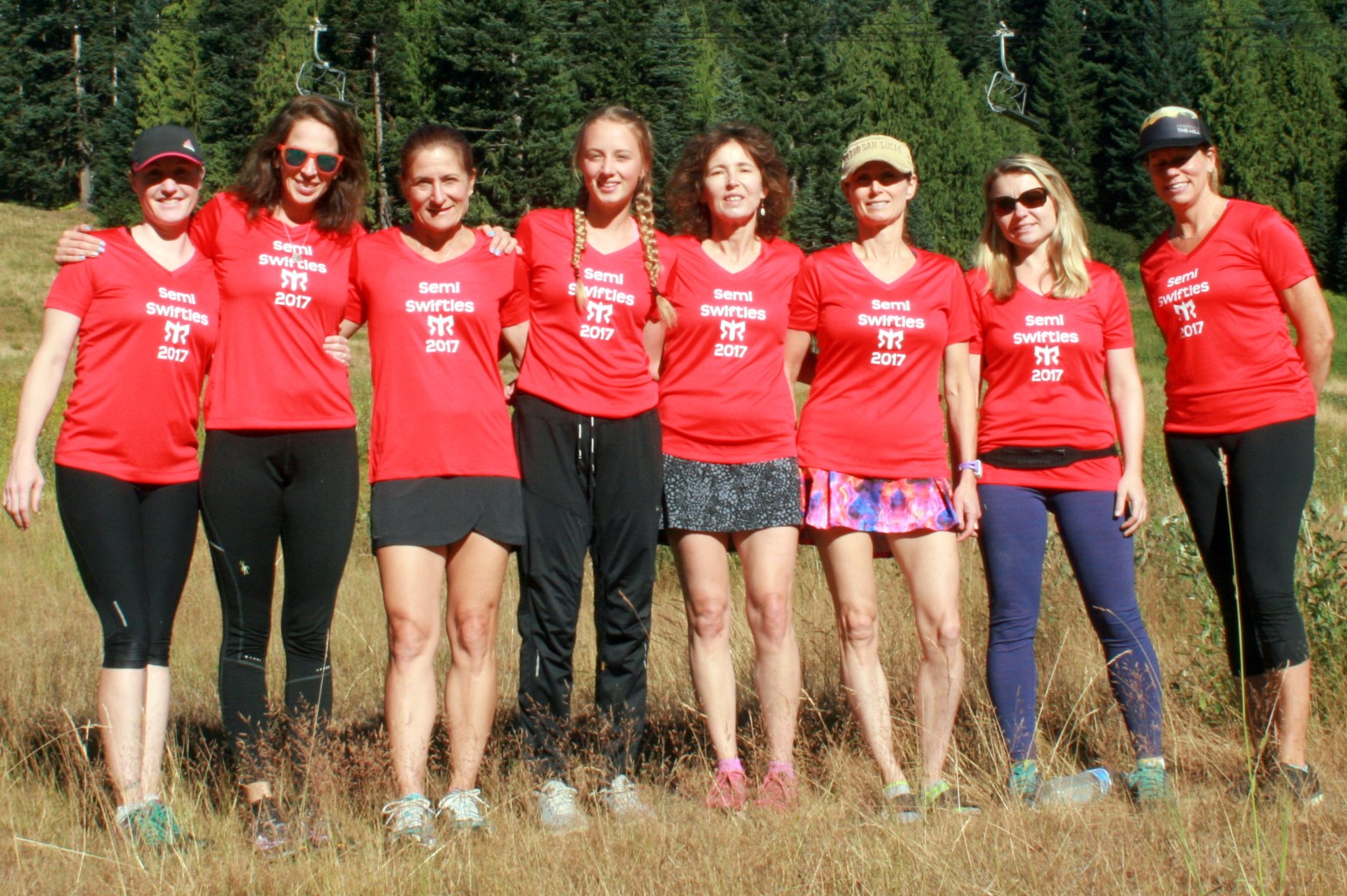
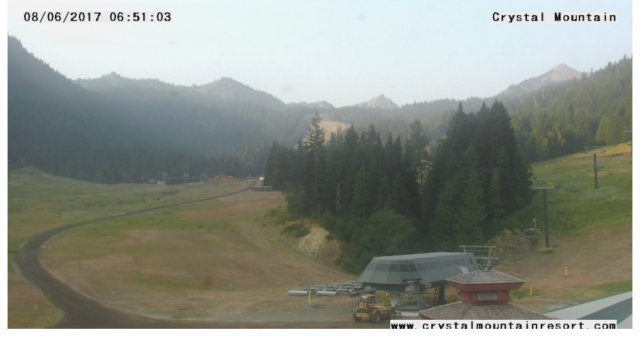
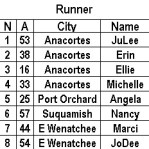 I had zero expectations for our Women’s Open Division team except that everyone train hard and do her best during the race. We’d started out as submasters, but moved to the Open Division when we accepted a 25-year old as our 7th and a 16-year-old as our eighth team member, giving us a wide age range, from 16 (25, 33, 38, 44, 53, 54) to 57, for a total of 320 years of life experience. Less than two weeks before the race, smoke from the BC fires was still hanging around Crystal Mountain. Two years prior, Ragnar canceled their first Washington State trail race due to excessive smoke. We hoped it wouldn’t happen this year. And it didn’t. Here’s my assessment of RTR, for what’s it’s worth.
Organization:
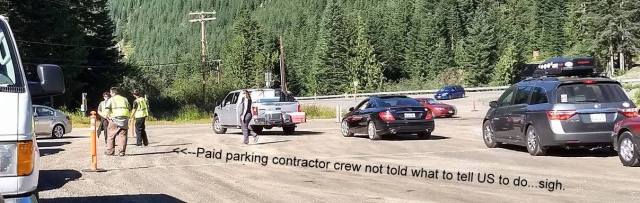
 Parking: Thursday night before the Friday-Saturday race, we arrived at Crystal Mountain’s Parking Lot B, as allowed, at 4:00 pm. The parking contractor crew of five was unprepared and uninformed. A woman greeted us with, “They’ll re-park you so just get in line.” Whatever that meant. Dozens of cars lined up while workers in fluorescent Ragnar Volunteer vests stood around looking frustrated, having been given no more instructions than to just show up. It looked like it was going to be a long day. The line began to move 30 minutes later with just one worker collecting the $20 each vehicle was forced to fork out, marking cars as paid, and sending them on their way. Just before 5:00 pm, they queued us up to drop stuff off.
 Staff: In my experience, Crystal Mountain workers within the dining facilities and gondola were friendly and efficient. After a brief learning curve (needed to maintain the restrooms more frequently), things went smoothly. Lines were typically short, even for the free (Mexican food-themed) meal that was many times better than last year’s spaghetti-feast gluten-fest. Notably, when I arrived at the gondola at 5:00 am, after completing Yellow Loop, two women in yellow safety vests, wet with mist from the wind and fog greeted me. I said, “Poor you, it’s so cold and you’re wet.” They smiled and one said, “But you just ran all the way up here,” just a typical encounter with a Crystal Mountain employee. Because I’m not a Glampgnarian and chose to tent camp instead of staying in one of the lodges, I can’t comment on that experience; however, a search of next year’s likely race dates shows room prices to be about $150 per night.
 Venue:
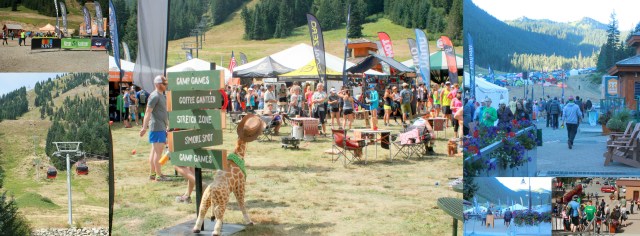
It would be nearly impossible not to improve on last year’s dust-fest, Red and Yellow Loops nearly the same, cow-pie prevalent, porta-potty under-maintained (though with beautiful, flat-campsites) venue at Loup Loup Ski Bowl, which was, I might add, a total and complete blast in spite of all that. This year, Ragnar took a risk by locating the race at an expensive place with the additional logistics and cost of gondola rides for every runner. And it worked. They had me at lavatories. There wasn’t a porta potty in sight! Dust was the exception as opposed to last year’s rule, and while Loup Loup was scenic, the spectacular beauty at Crystal Mountain raised the bar to another level. Except for the sorta-steepish path to the campsites, not a thing wasn’t better than last year.
 Course:
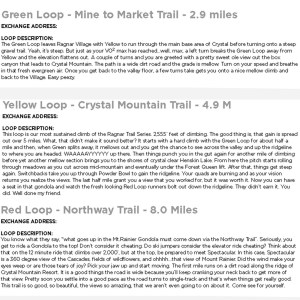
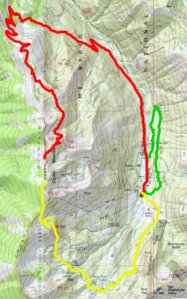
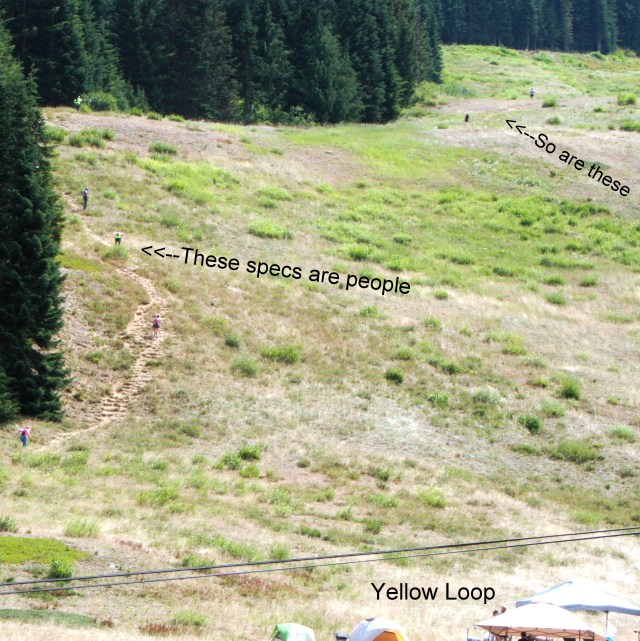
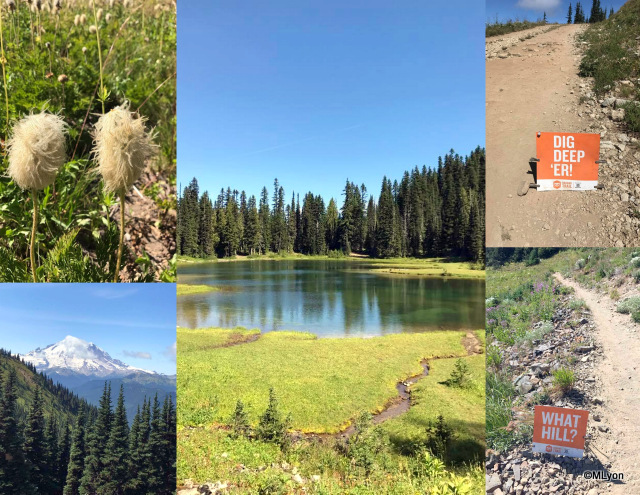
The course is, in a word, brutal. Green Loop is super steep up for 0.5 miles, then downhill on a gravel road for a mile, then has a short, steep, single track descent before crossing a field, joining the road, and climbing again. Yellow Loop is beyond brutal. In fact, I kinda wanted to smack whoever picked the signs that greeted runners along the last steep, gravelly, uphill mile to the summit. Just kidding! Red Loop was two miles technical descent, four miles perfectly sloped downhill, one mile rolling uphill along a gravel road, and finally, one last torturous mile including single track, water crossings, and the longest final one-third mile to the Village you can possibly imagine. The course is so hard that 99 teams (that is not a typo) Did Not Finish.
 Camping:
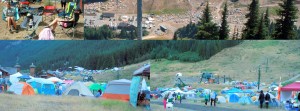
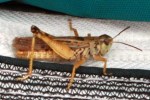 I don’t camp. Which is why when I was tasked with choosing, we ended up with a site too far up the hill that required a lot of energy to scale over and over again. Once we’d dragged our stuff up, we assembled our tents; set out our sleeping bags, chairs and canopy; placed our heavy ice and food filled coolers and camp stove inside; commented on the number of grasshoppers and watched others arrive to do same. After waiting in line for the safety briefing video, watching, and collecting our team packet (dinner coupons, gondola wrist bands, t-shirt coupons, KIND bars, tattoos, car stickers, race bib and waist belt), we headed up the hill to hang out. We finished setup before the sun went down, which was good because it got so cold that those of us who’d brought them were forced to pull out our parkas. Without clouds to provide insulation for the earth, the temperatures dropped. A lot. On the bright side, the One Billion Stars that Ragnar promises were visible. We slept little and arose early because most of us were uncomfortably cold. The second night wasn’t much better. Fog appeared. The air was warmer but felt it just as cold with wind gusts that threatened to take out our canopy. But at least we weren’t glamping like the gal I met in the dining hall. She confessed sheepishly that her team was booked in a lodge both nights. Darned Glampgnarians!
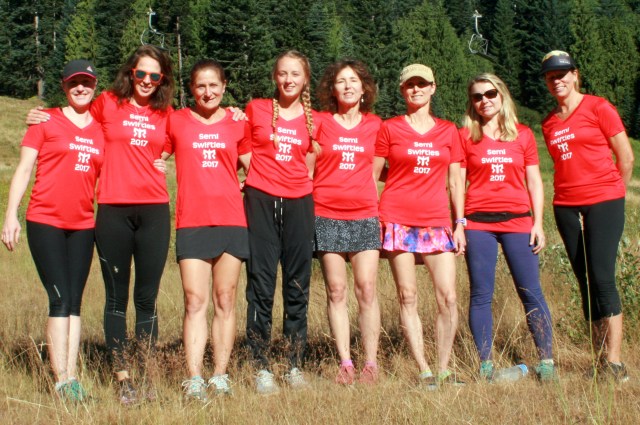
Semi Swifties:
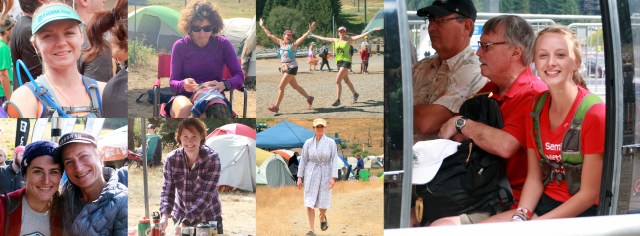
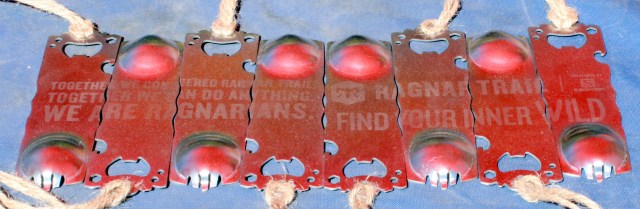
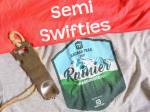 We followed Ragnar’s standard plan: Run, Eat, Sleep, Repeat, except for the sleeping, which was almost nonexistent at our camp, save our 16-year old, Elly, who could nod off at the drop of a hat. Without fail, the gals on our team are women who love trail running and are willing to go the distance (and climb the climb). We had zero mishaps and the consensus was that most of us had killed more women than had killed us. This meant nothing, though we were hopeful that it could lead to us placing in our division, which would earn us a kinda cool belt to be proud of that none of us would likely be caught dead wearing. Our team crossed the finish line together, collected our medals, posed for Ragnar’s photographer, packed up and headed home. We awaited the race results with impatient, though cautious, optimism.
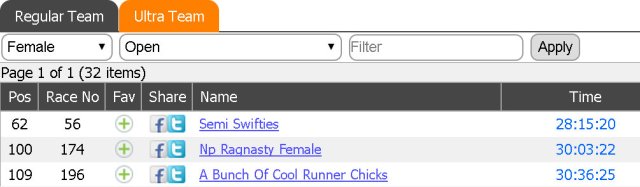
 On the Tuesday morning following the race, I clicked on the Ragnar Trail Rainier Race Results link I’d bookmarked, filtered by gender and division and smiled. Semi Swifties had finished first, which came as a complete surprise. I sent a frantic group text to the team, excited to share the good news. While we bow humbly to the women’s teams that came in ahead of us (allow me to bold you, badass women: Scorching Stikers with reservations and Hb/Dc without), we were still thrilled.
After four years of captaining “just for fun” Ragnar NW Passage teams, and joining what turned out to be a fast women’s master’s team last year a couple of weeks before Ragnar Trail Cascades, I decided to do something different this year. I collected my willing fastish trail running partners, then advertised for female runners who could complete a road half marathon in two hours or less. But I still hadn’t a clue how we’d do. And before you chalk it up to us being super young, take note: the runner who completed the course the fastest (granted, running the easy Green loop in darkness) is a bow-legged, boy-bodied 54-year-old who took up running 2.5 years ago and hung around camp and the Village clad in a housewifely purple and white bathrobe. She’s a meat cutter by trade, a little crazy by nature as well as my sister and my best friend. That is to say, a graph of our team’s age versus pace would not follow a line with a negative slope, but would be more jaggedy.
Summary:
The percentage of teams that Did Not Finish for Ragnar Trail Rainier was 35%, that’s 25% (not percentage points) more than the next most difficult race: Ragnar Trail Los Coyotes in California. Our team came in 62nd out of 184 finishers, but every finishing team outperformed the 99 that Did Not Finish. Ragnar Trail ain’t for babies, nor is it for Glampgnarians (those who stay in the lodge during the race), nor parents compelled to bring infants and children (it tires the rest of us out who are compelled to pity those who make such a foolish decision to bring their kids, who are bored to tears and serve only to distract parents’ attention from the race), nor those who run only on roads. After all we went through with the 4,000 plus feet of climb each, the cold, the wind and the fog, the dragging things up the hill to our camp (and back down afterward) and the super scary gondola ride down (in the dark, wind and fog) after Yellow Loop, others wonder if I’ll want to return next year to give the super challenging course another try. I think about this year’s experience…and sigh. I’m not sure whether or not I want to do it all again, but if I had to choose based on the beauty, it’d be easy. 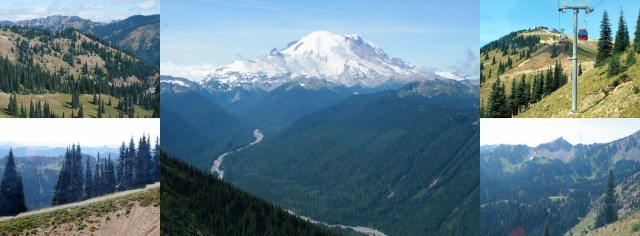
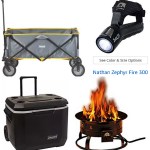 PS Bring This:
If I do participate in Ragnar Trail Rainier next year, I would not show up without the following items: running and camping gear for extreme cold, extreme heat, and a rainstorm; a propane fire pit; a good quality gear-carrying cart (the axle on ours broke when we overloaded it); a Nathan Zephyr Fire 300 Hand Torch; and a cooler with large enough wheels to roll easily over gravel. You’re welcome.
 Just before retirement, Wanda was diagnosed with a rare type of cancer that she’d tell you about but I won’t. She suffered through chemo, lost her hair but not her spunk, and got back to living the busy lifestyle to which she’d become accustomed in Houston from fall through spring, then Country Mouse-ing a similar, quieter lifestyle in Anacortes in summer. By the time the cancer returned two years later, she had implemented a more holistic defense against it, incorporating: meditation, prayer, chanting, tai chi, exercise and extremely healthful eating into her life, treating her body and spirit like a temple. Weak from chemotherapy, she turned down a chance to become a member of our Ragnar team in the summer of 2015 but joined us at the finish line for a beer sporting a super cute bald head. The following summer, she ran Ragnar and joined us for a post-race beer sporting a gigantic smile and a shock of white hair. Last fall, her tumor marker tests results showed the lowest numbers ever, but the cancer came back late last winter. When I learned she planned to complete the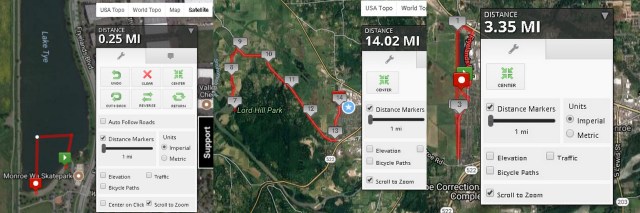
 Lake Tye, the site of the race, is a two-thirds mile long by one-eighth wide man made-lake situated on the south side of Highway 2 in Monroe. The Sprint distances: 1/4 mile swim, 12 mile bike, 3.1 mile run. We arrived an hour before the start of the Olympic distance race. I placed my bike and other items within the allowed handlebar-width space in the transition area, dashed back to the van to retrieve my forgotten timing chip, and started getting nervous.
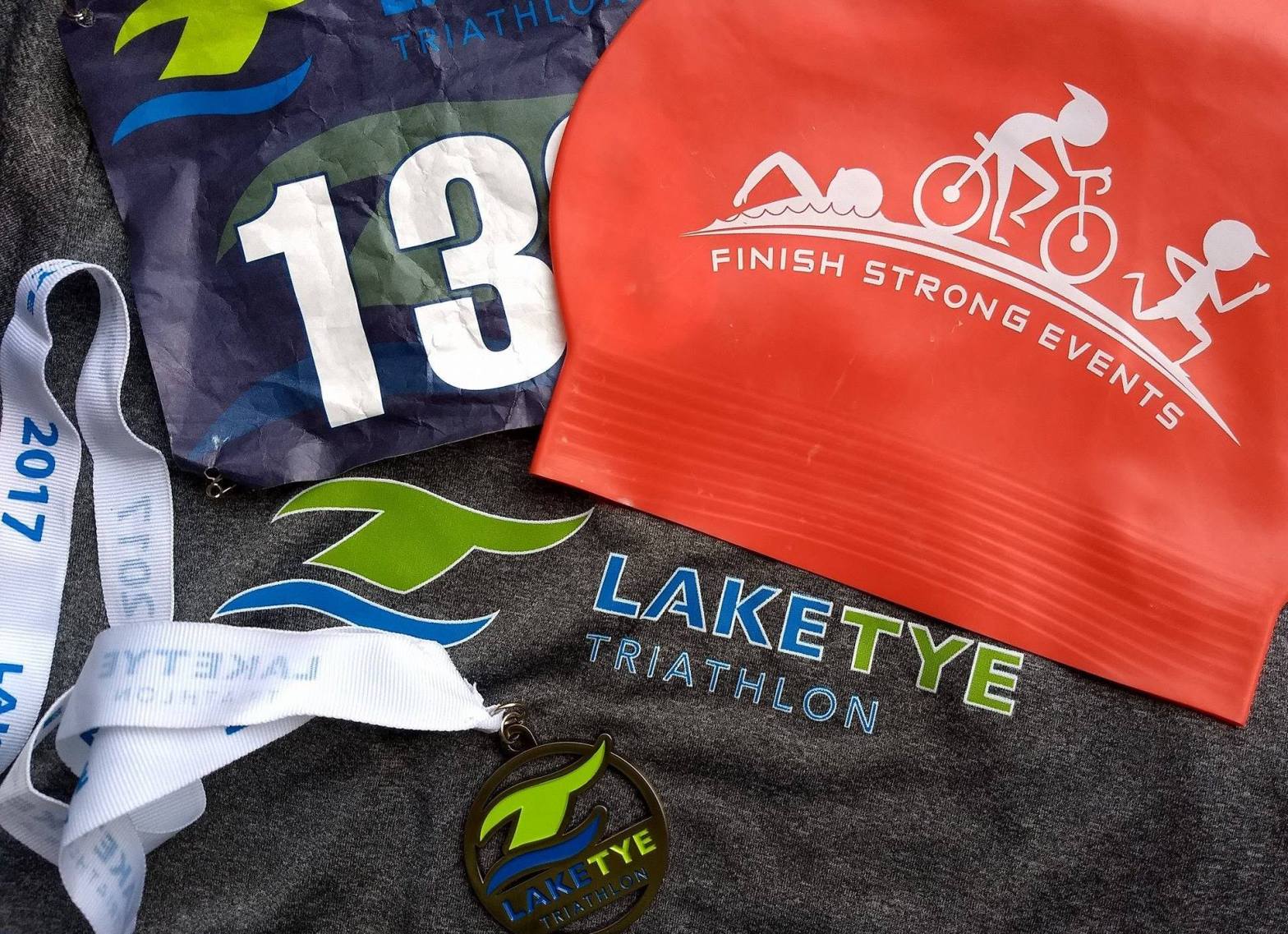
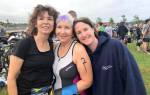
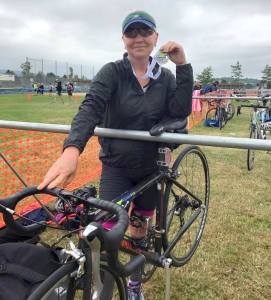 The race director sent the Olympic distance athletes off starting at 8:00 am, first the men in green caps, then the women in white, including Erin. Most participants were on to the bike leg before the Sprint distance race even started. Huge inflatable red buoys marked our not-too-scary looking upside down U-shaped course. Wearing red swim caps, Wanda and I were in the final wave, women forty and up. We readied our watch timers and waded into the water as the director sounded our start. I walked out as far as I could, put my face in the water, and saw seaweed and darkness, which transported me back to that first anxiety-filled, lung-squeezing open-water swim a month prior. The wetsuit felt tight around my neck and I couldn’t catch my breath. Alternating between freestyle and side stroke, I completed the distance during one of the longest ten-minute periods of my life. As I pulled off my wetsuit in the transition area, Wanda arrived and headed to her assigned spot. Faster, fitter athletes passed me on thinner-tired bikes on a flattish out and back course with vehicles navigating the gap between racers on either side of the two-lane road. I saw Wanda again and Erin for the first time. Less than an hour later, I left my bike and helmet in the transition area and began the best part–the run. That each participant’s age was marked conspicuously on his or her left calf was a distraction, so after passing two women in my division, I refused to let my eyes stray to the calf-zone. Crossing the finish line 93 minutes later, I vowed never to try another tri, then waited for Wanda. She arrived sooner than expected, collected her medal and smiled. I gave her a hug and we waited for Erin to finish her first Olympic distance triathlon, which she did fast enough to land a fourth place finish in her division. I finished mid-pack in mine. Wanda finished first in a special one-woman category: athletes undergoing chemotherapy.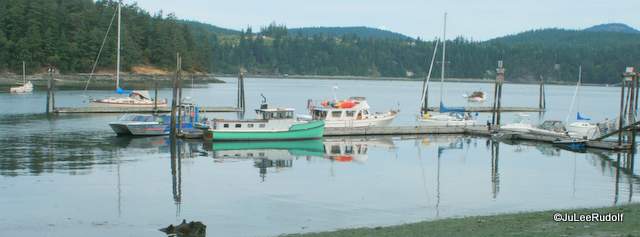
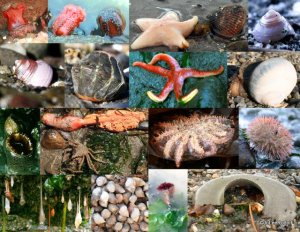
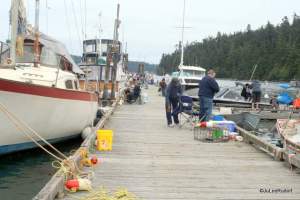 “The sea, once it casts its spell, holds one in its net of wonder forever,” said Jacque Cousteau. Spellbound seagoers who patronize Cornet Bay have the
 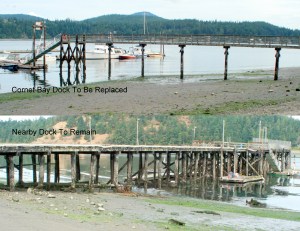 Besides the benefit of new moorage for boaters, existing creosote-coated pilings will be removed. According to the
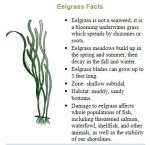 Another advantage: metal grates along the new dock’s surface will allow more light to pass through, which helps eel grass grow. The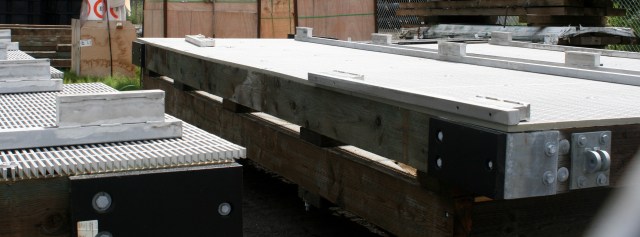
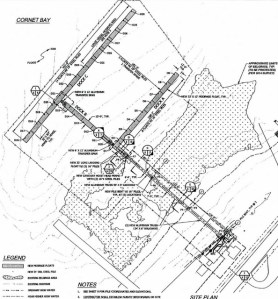 He asked my name, offered me a copy of the current layout, confirmed the rumor and acknowledged that once the project was complete, the number of linear feet of dock available for crabbers (and fisherman) would decrease, though not significantly. By my calculation, the length of the new near dock, where crabbing (and fishing) will be allowed will be one-third less than it is now. As to Sound Action’s actions, he said he believes that the organization’s goal is only to ensure that rules are followed. As a combined crabber and sea-creature-watcher, I’m disappointed at the thought of a more crowded crabbing-allowed dock but excited at the prospect of additional pedestrian-accessible sea-creature-watching space.
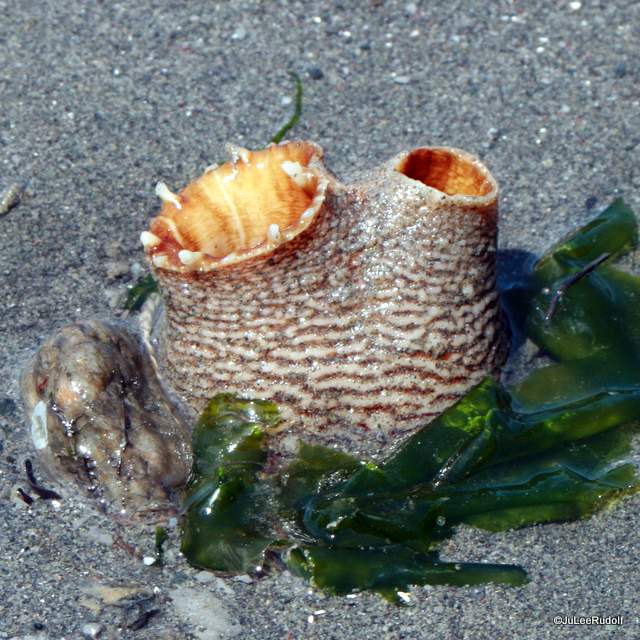
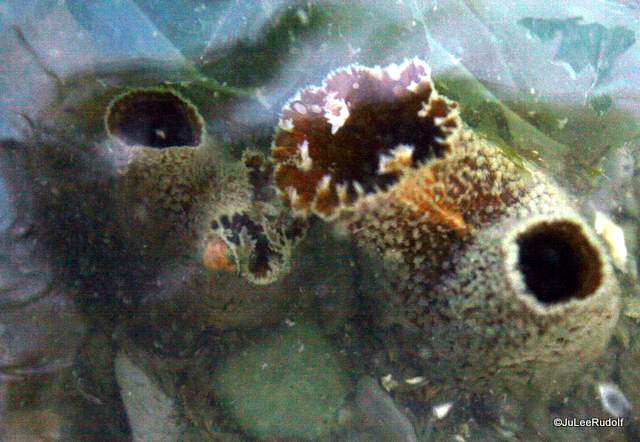
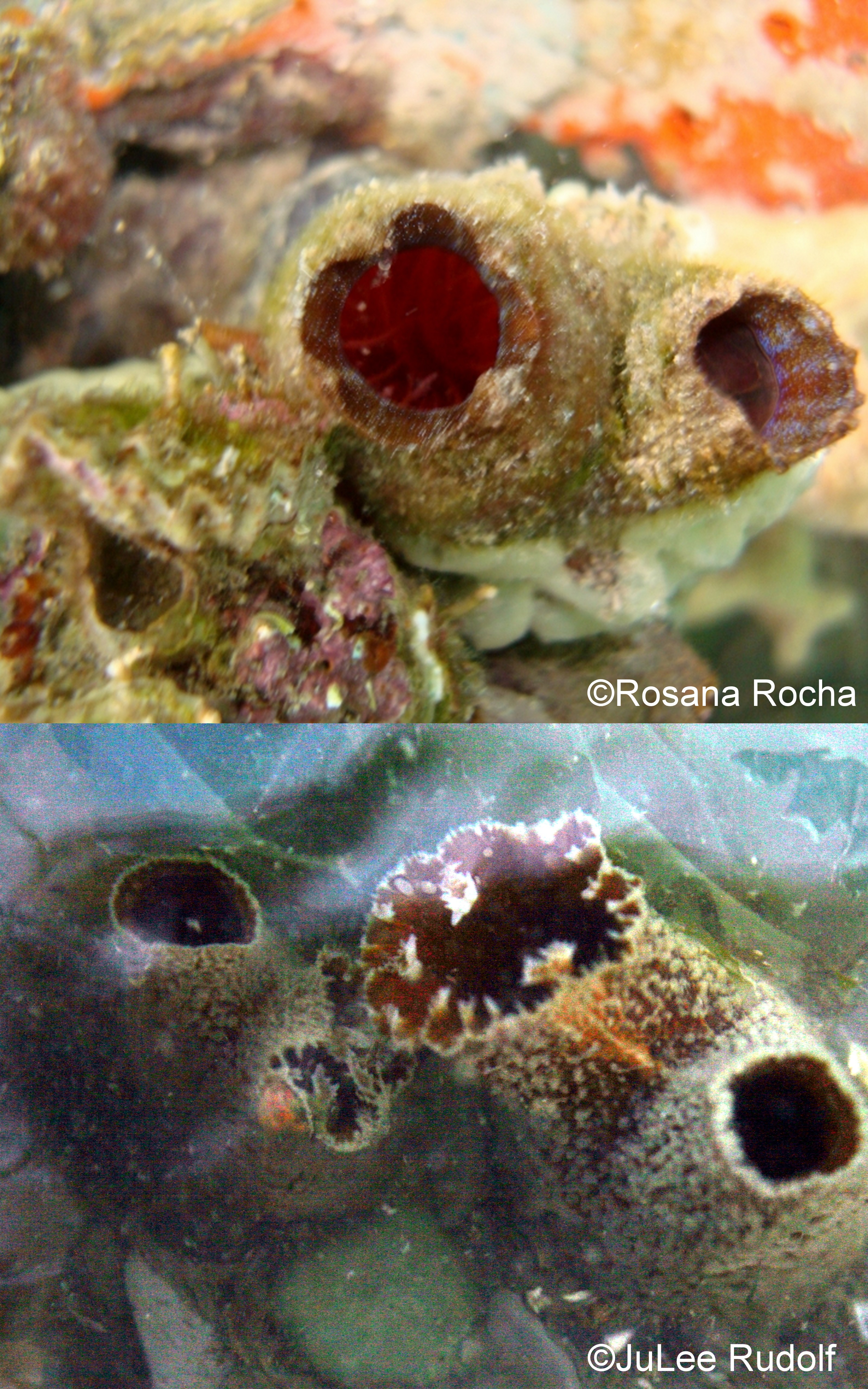
 I didn’t think much of it at the time because there were too many creatures new-to-me to become obsessed with just one. At home, I Googled “brown” “squirt” “sea creature.” The search turned up “tunicate.”
 On Monday, June 25, I set out for the site. I brought: a clamming license, two plastic bags, two shovels, a backpack, a camera and pair of gloves. I arrived forty-five minutes before a predicted -2.9′ tide to an empty beach, chose a siphon as far from the tide line as I could find, placed the shovel blade about six inches to the side of it, and dug up a big scoop of muddy, clayey sand. The siphon disappeared, but I knew that the shell could not move. A scary surprise arrived in one of the first few shovelfuls: the shell-less neck of my mollusk. I did exactly what any self-respecting prospective criminal would do: threw it in the water before anyone noticed. If it turned out to be a geoduck, I’d be breaking the law by not digging up the shell. I felt the pressure of time, that of the soon-to-be turning tide, and the knowledge that if I weren’t successful, it would be a month before another adequately low tide arrived. Messy layers of gunmetal gray, quarter-inch thick clay sheets mixed with sand piled up beside the hole as I dug with the shovel and my hands.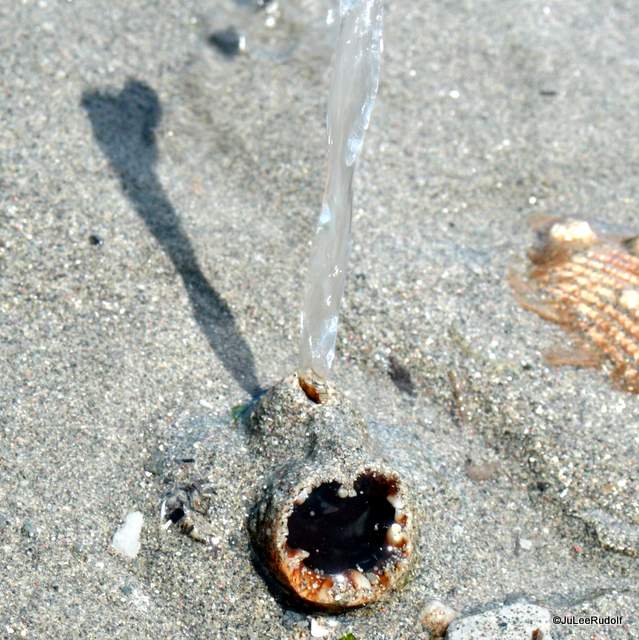
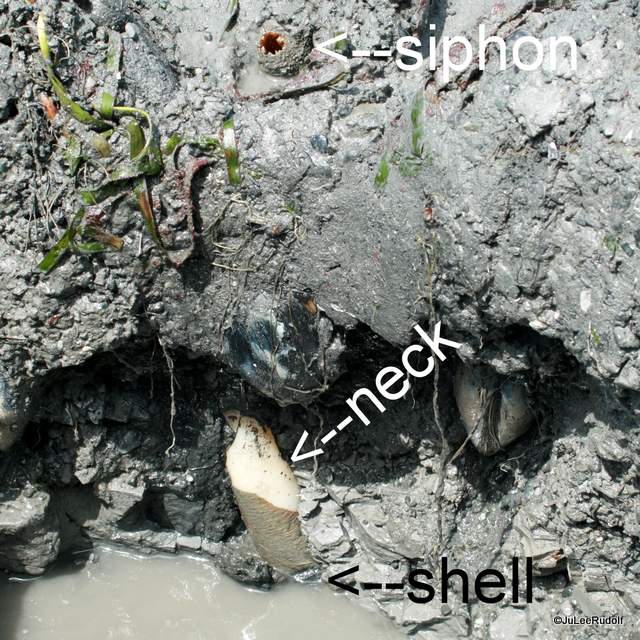
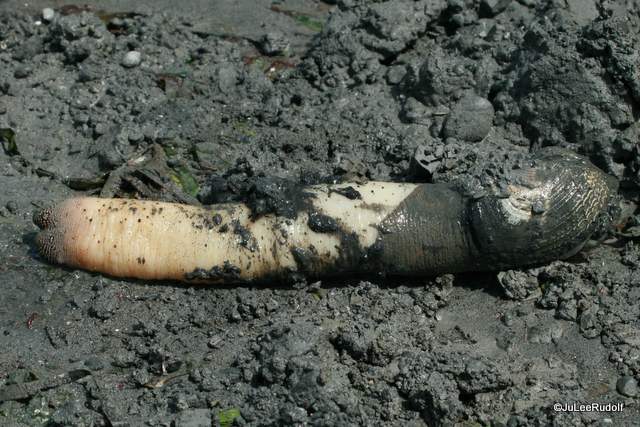
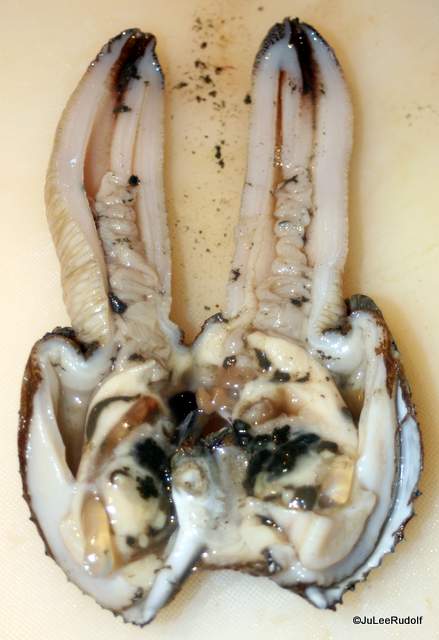
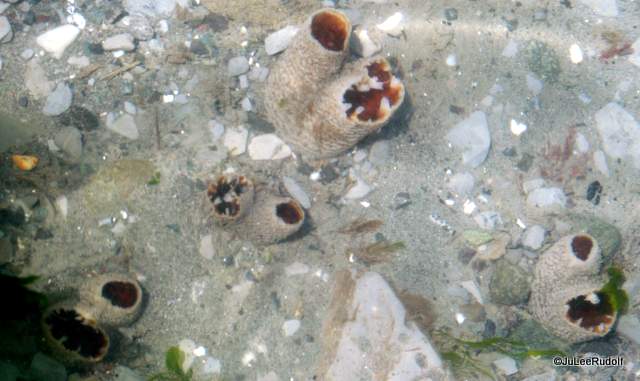 In the end, I’m okay with the fact that I didn’t discover a rare sea squirt species, because if I had, everyone would be out there tramping all over the siphons while trying not to tramp all over them. Nobody much cares about Rough piddock clams. And now I can admire them at my leisure during the dozen extreme low tides they are visible without having to worry that someone might want to dig them up. I revel in the fact that I found a beautiful, uncommon sea creature at one of my favorite places, Deception Pass State Park, and the serendipity of finding scientists willing to share what they know with a complete stranger and being as excited as me to solve the mystery.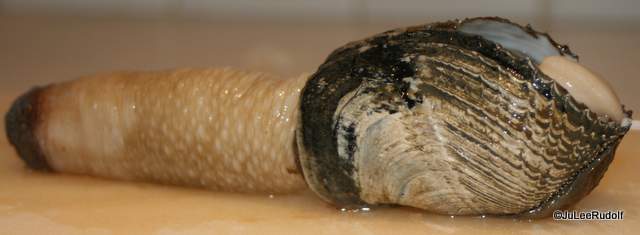
 A Washington Department of Natural Resources
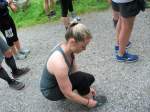 As runners congregated behind the bathrooms at the Lost Lake parking lot along Chuckanut Drive in Bellingham, we made our way to the back of the pack. The plan: be mindful, run just for fun, don’t take our pace too seriously. Just before 10 am, a volunteer provided pre-race instructions about the course markings: yellow signs with an arrow (go this way) plus pink flagging tape, or an X (wrong way) and sent us on our way.
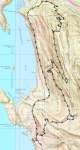 We started out on single-track, keeping our places in line, but within a few minutes, reached the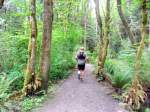
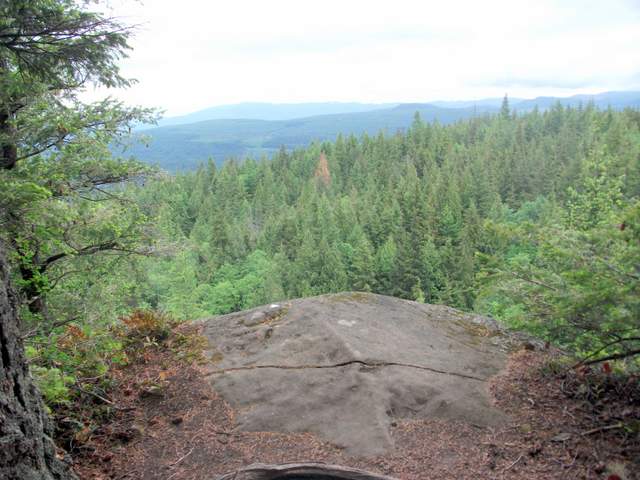
 This middle section was my second favorite part of the course, rolling hills with a net descent as we made our way down from the ridge. At Cleator Road, a volunteer sent us downhill with a lie, “No more climbing,” which, along with “You’re almost there,” and “It’s all downhill from here,” are lies well-meaning volunteers tend to tell. I didn’t believe him for a second. We sped down the road, pounding the pavement for one awesome mile. Gravity’s help ended too soon for me. At the Mile 9 aid station, Michelle stopped for water. I continued on wearing my still half-full CamelBak.
 The next part, before, at and after Fragrance Lake, was my favorite of the race because it was nearly all downhill with wide, soft, non-technical trails. The only negative was a number of hikers, all of whom were kind enough to stop and let us run past. We thanked them, apologized and kept going. I ran at least a mile on my own, took the wider trail once when there was more than one choice, hoped I was headed in the right direction, and breathed a sigh of relief when I spied a length of pink tape indicating that I was. With half a mile to go, runners return to the Interurban. Flagging tape guided me in either direction, but left seemed right, so I went that way. At Chuckanut Road, volunteers directed runners to the finish at Larrabee State Park.
 This was the second time in as many races that I started out running “just for fun” and finished trying to fly. I took several photos during the first half, but from mid-race on, I stashed my camera away, unwilling to risk getting passed by stopping to take more.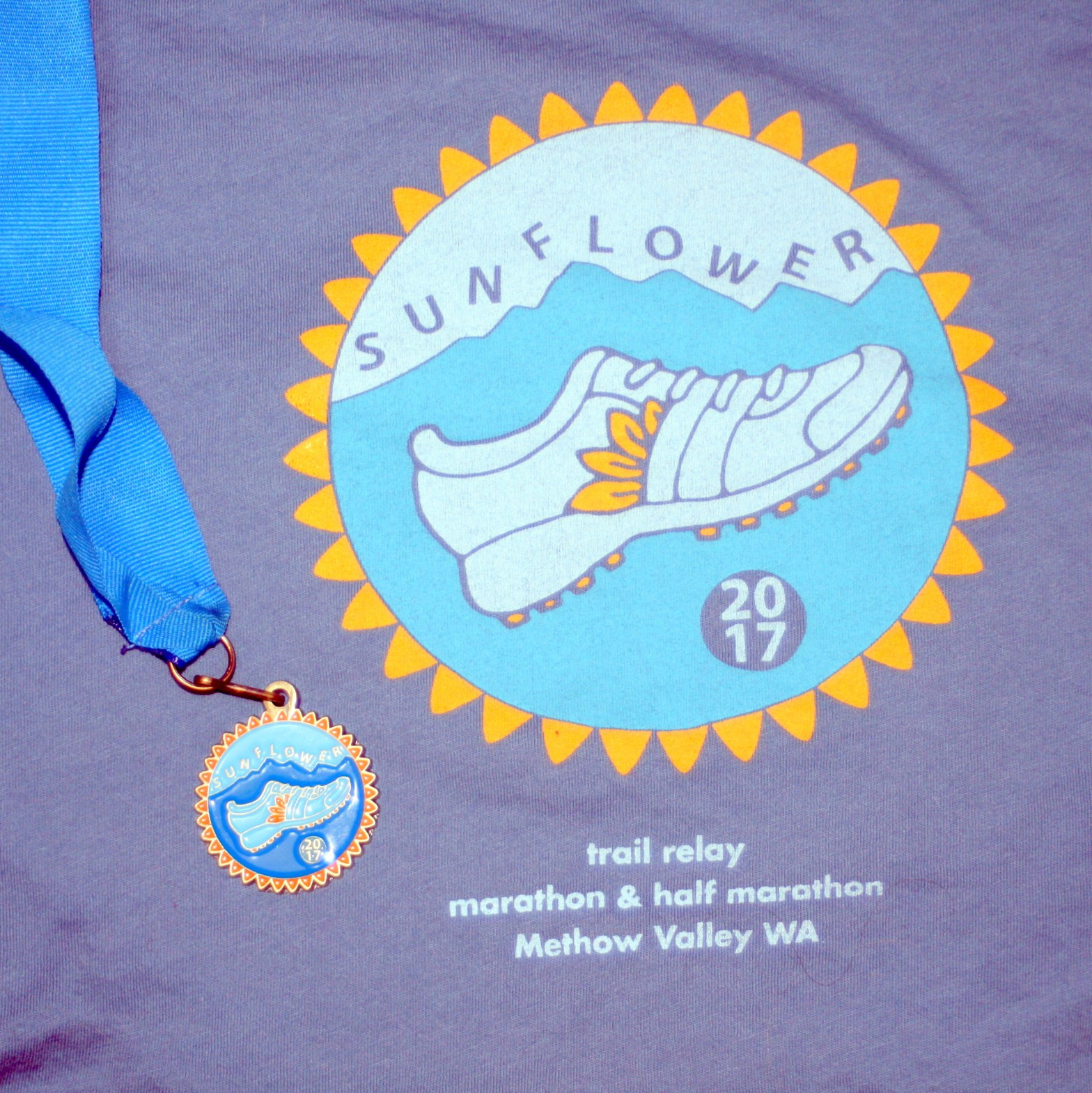
 “Let’s run just for fun,” we agreed, lying to one another, though neither of us knew it then. Two years ago, my sister took up my favorite sport: trail running. Since that time, she’s gone from whining about the distance a few miles from the finish, to winning her division in a small local race. Last week, when we learned that she’d be able to join me in running the
  From the looks of the race shirt and medal, you’d think that we were destined to see Helianthus annus the common sunflower, but in fact, we raced across hillsides covered with clumps of balsamroot, Balsamohiza sagittata, a cousin of the common sunflower.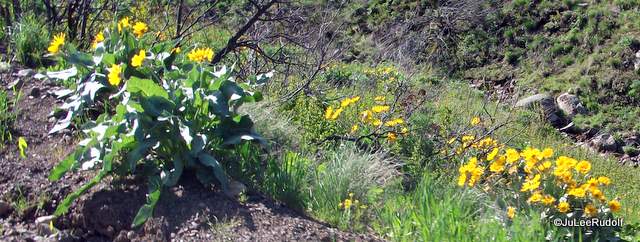
 At 8:00 am, the borrowed school bus dropped us off at the Chickadee Trailhead, part of the
 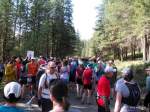 The first mile was slow going not only because of the congestion of participants and the fact that we’d started a bit back, but also because some sections were along single track trail. Ten and a half minutes later, my watch beeped to indicate we’d completed the first mile as we looped past the start. The weather was perfect and we were on track in our plan to run “just for fun.” From mile 2.5 to 4, we enjoyed one of the most scenic sections, my favorite of the race, running behind a female leader in a line of guys and gals alongside Patterson Lake. We sped along oblivious to our save-energy-for-later plan. The next couple of miles were on Black Jack and Elbow Coulee roads where faster folks passed while we hit a consistent pace. The foot of the one hill we’d heard about, 6.5 miles in, was just past the first aid station. We joined the line of walking runners, trudged upwards, tried to be mindful of the “sunflowers,” snail-paced our way to our slowest mile.
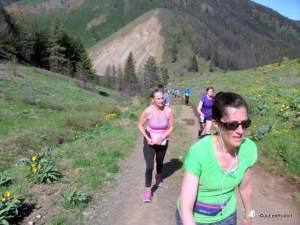 Half a mile later, we reached the top of the dirt road and made our way through a short, grassy, swampy section. The wide trail continued briefly, then narrowed. I took over the lead with my sister on my heels, treading carefully while trying to enjoy the spectacular scenery: gorgeous trees, mountains off in the distance and flowers by my feet.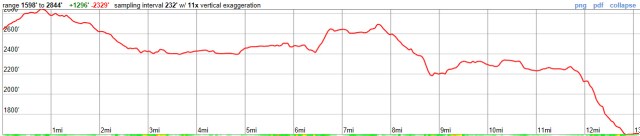
 In an award-winning documentary entitled
  Although “
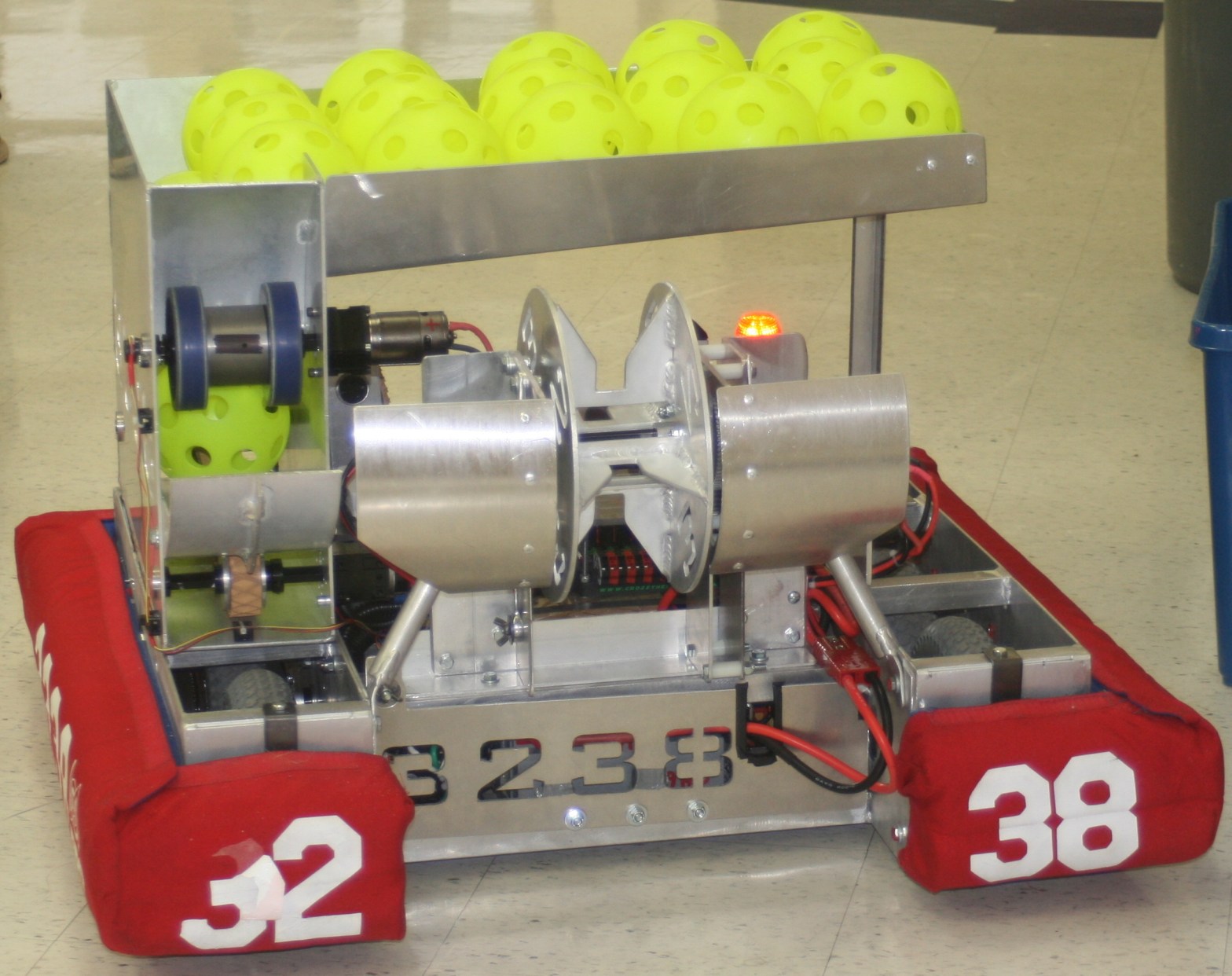
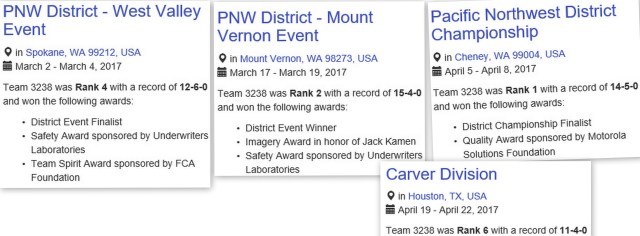
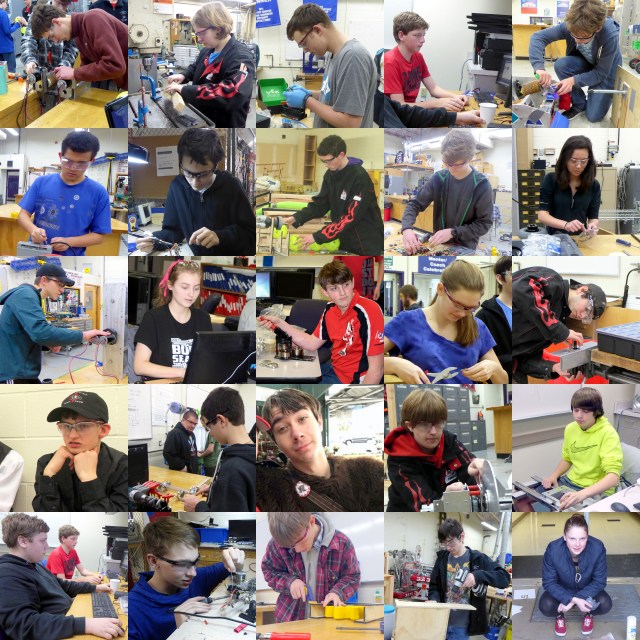
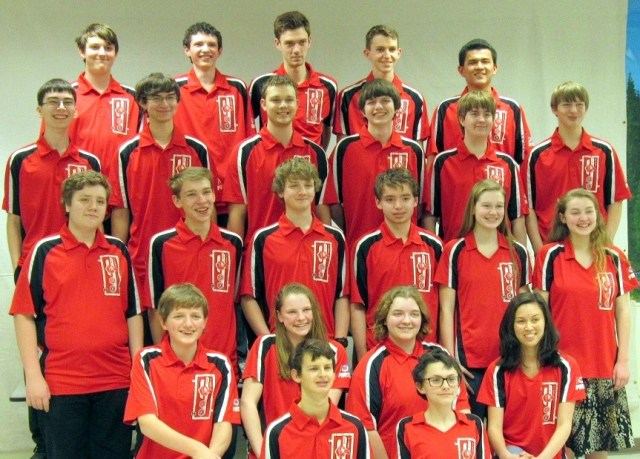 On the 7th of January, FIRST revealed the 2017 FRC challenge: FIRST Steampunk. Teams were given six weeks, until midnight on the 23rd of February, to complete their robots. In Anacortes, subsystem teams of three to four students were tasked to construct: a chassis, gear collector, rope climber, shooter, and an electronics board. Programmers used Java programming language to produce 1,800 lines of code so that the robot could perform without human help during the first 15 seconds of the match, called the autonomous period and the driver-controlled teleoperated or teleop period.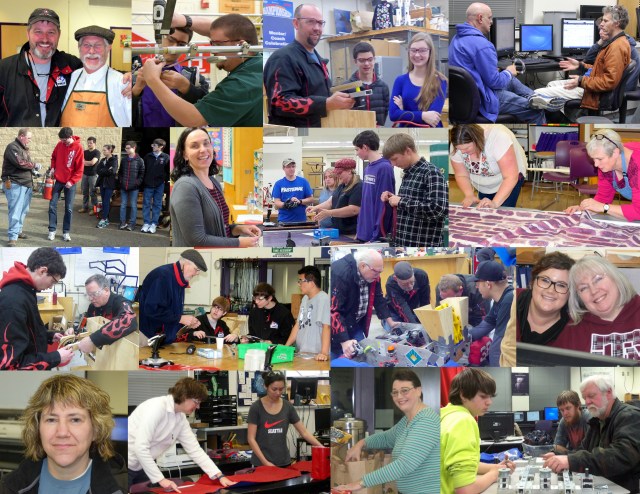
 A typical competition goes like this: robots arrive early for inspection. The two page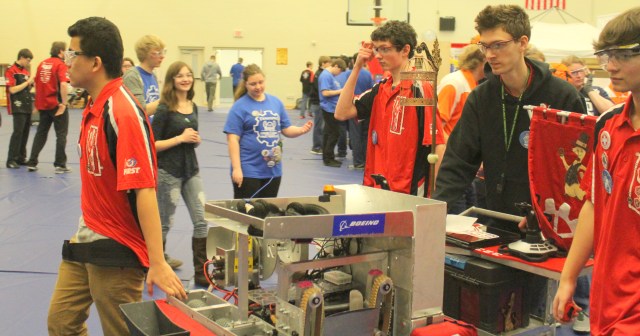
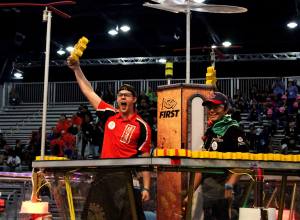 The top eight ranked teams move on in the competition to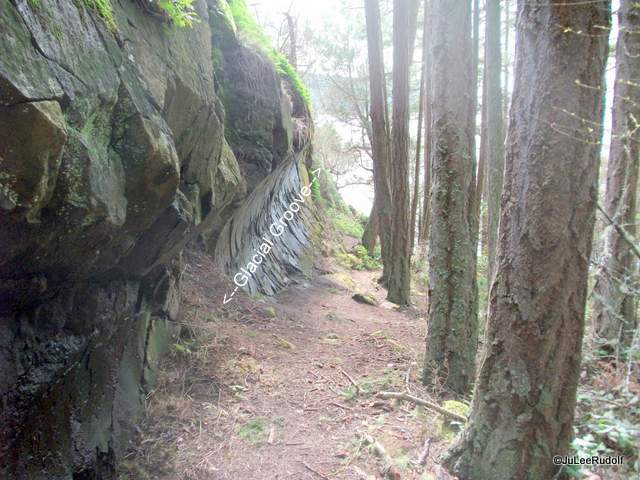

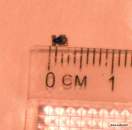 I gripped the insect’s head with sharp-tipped tweezers. Its tiny front legs held firmly, refusing to release even as my skin stretched with the pull. I dug in with its pointy parts as far as I could stand. Within a minute…success! I dropped the bug into a plastic sandwich bag, sealed it and began to worry. In nearly a dozen years of walking, hiking and running hundreds of miles along the trails of Deception Pass State Park, Ebey’s Reserve, the Anacortes Forest Lands and Washington Park, I’d never before encountered a tick. The existence of this insect on Fidalgo Island came as a complete surprise to me. The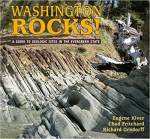
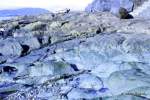 I knew exactly where I’d picked it up: Washington Park. During the previous week, I’d climbed over, under, around and through grasses, Salal and tree branches more than I ever had before. I was trying to track down the glacier scraped rock described in Washington Rocks by Eugene Kiver, Chad Pritchard and Richard Orndorff. The blurb at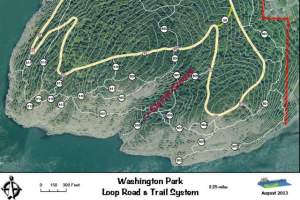
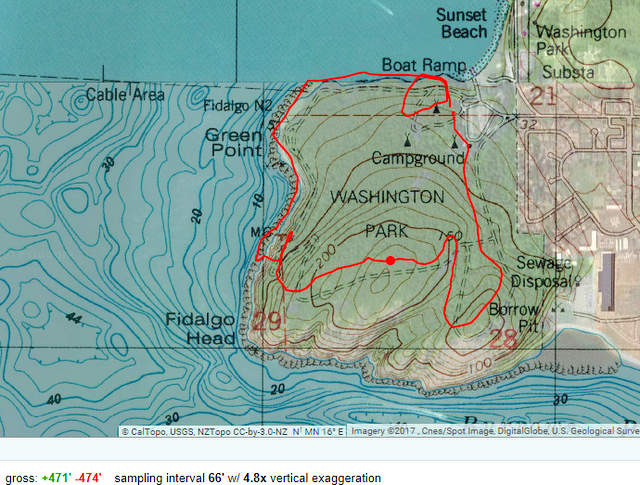
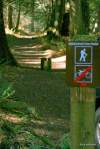 Determined to find this “glacial groove,” I set out with the book’s photo and caption, which placed it at, “one of the trails on the south side of Washington Park.” Unfortunately, nearly all of the trails at the park are on the south side. Fortunately, there are only a few miles of trails and the City of Anacortes has marked and
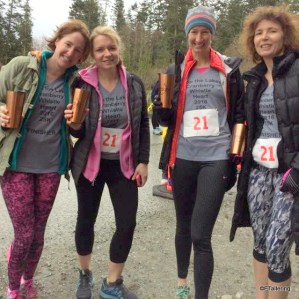
 Team 165! arrived an hour early for the 9 am start, surprised to learn that only 22 persons had signed up. A gal from Friday Harbor introduced herself as we awaited the start. Then we were off and I experienced my favorite ten seconds of the race (might have been five), while I was in the lead. During the nearly ninety minutes it took for our team to finish, we cheered on and chatted with other participants, formed human tunnels and made friends. Our biggest competitors were the family members that made up The Zodi Team, which had the dad running the first and final laps, son running second, daughter third. The Zodi Team led during the first three legs, but the dad injured his calf on his first lap, which probably cost them the race. At mile one of our team’s final lap, our team captain passed the dad and never looked back. We “won,” (air quotes intended), or came in fifth from last as we competed against only four other teams. While it was fun to run the loop as fast as I could…I prefer to walk it.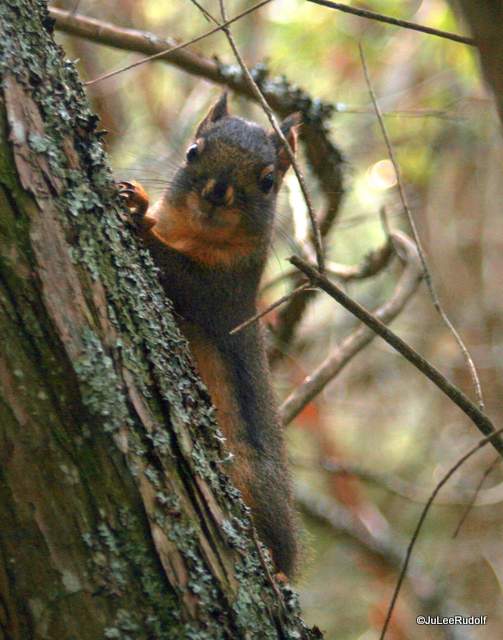
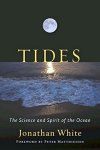 In the introduction to his new book, author Jonathan White, who, like me, “lives on a small island in Washington State,” recounts the perilous event that made him (p 5) vow “to learn more about the tides,” which led him to write Tides, “a travel adventure, personal journey, cultural history, and provocative scientific inquiry into the forces that keep the earth’s waters in constant motion.” It is as great a book for those who are part of the (p 17), “More than half of the world’s population [that] lives on or near the coast,” as for those who aren’t.
 Most of what I know about tides, I learned from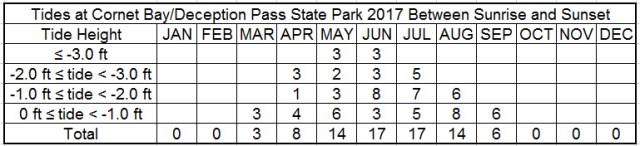
 Chapter 1 (Pp 34-35), “the moon, although smaller than the sun, is much closer to the earth and exerts about twice the sun’s influence on the tide;” Ch 2 (p 59), “The alignment of earth, moon, and sun is called syzygy. When the moon is full, it’s in opposition, when new, it’s in conjunction;” Ch 3 (p 82), “All rivers with tidal bores have two things in common. The first is a funnel-shaped river mouth with a gently sloping bottom. The second is a large tide at the river’s entrance. When this large tide–in the Qiantang’s case, twenty-six feet–enounters the shallowing river mouth, the energy shifts dramatically…It’s been said that a tidal bore is a sonic boom traveling upriver;” Ch 4 (p 121), “In a month’s time [the moon] darts like a hummingbird from 28 degrees north of the equator to 28 degrees south of the equator and back again…Newton figured that the moon’s migration north and south of the equator (its change in declination) must play a role in the varying heights of the daily tides;” Ch 5 (p 153-154) “an amphidrome has a center hub where…there is little or no tide. The arms or spokes rotate, with the highest tides in each amphidrome occurring farthest from the center hub…these circling arms are indeed waves traveling at 450 miles per hour;” Ch 6 (p 179) “The effect of global tidal friction usually acts as a break on the earth’s rotation, making each day 1/50,000 second longer. And as tidal braking slows the earth’s rotation, energy is transferred by angular momentum to the moon, speeding it up and pushing it away at a rate of about an inch and a half per year, or ten feet in a human lifetime;” Ch 7 (p 209), “Of the four hundred tide-generating constituents, only 12 are responsible for 90% of the tide, 90% of the time…;” Ch 8 (p 245), “Scientists agree that the 3.5 terawatts of global tide energy is the correct theoretical measure of the total, based on the physics.” Ch 9 (p 262), “the most extreme tides happen when the sun and moon are nearest the earth and as closely aligned as theoretically possible.” And that’s just about the tides! The stories of the people and the creatures whose lives intertwine with the tides are even better.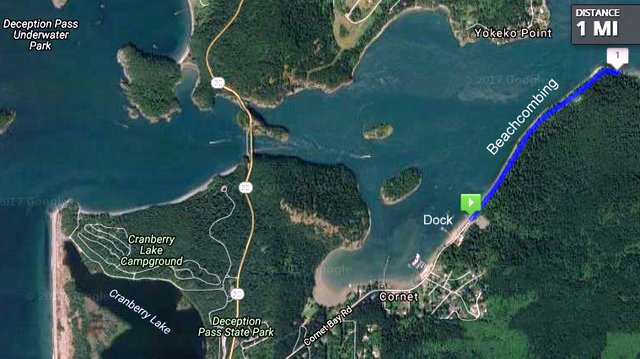
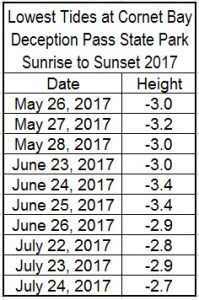 Tides4Fishing also provides information of local interest for beach combing aficionados: the lowest tides of the year (see table) so save the dates. Besides Cornet Bay, the Urchin Rocks at Rosario Beach and Penn Cove in Coupeville are great places to encounter marine life on North Whidbey/South Fidalgo Island. Save the date, 22 February at 7:00 pm, if you’d like to learn more about Tides from the author himself. Jonathan White discusses the subject at the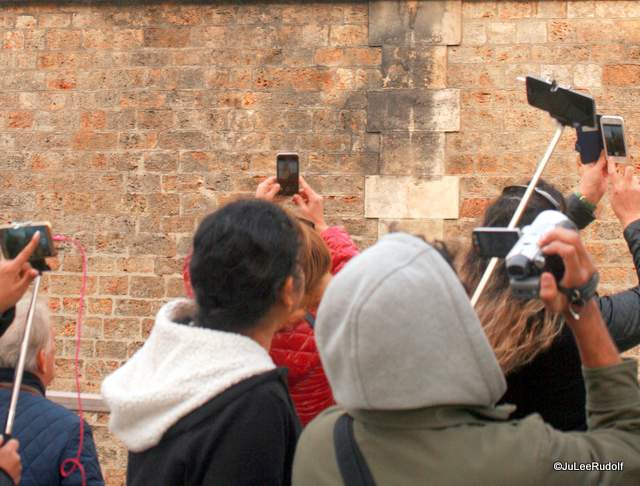
 While deciding go/no go to Europe, it was my teenage son who insisted that our fears about potential terror attacks were unwarranted and illogical. Yet, we learned after returning from a walk along the Christmas bazaar-lined Champs-Élysées that our concerns weren’t completely groundless: a
  We had discussed our responsibilities and roles as Americans traveling abroad beforehand. I suggested that we be on our best behavior, acting as informal American ambassadors. But as we waited in the non-EU line at Heathrow, a woman in our queue lamented, “I got stuck by an American leaving Australia.” My heart shrunk a size. So, it came as no surprise a day later when I noticed an American man who hailed from Norfolk, Virginia sporting a Canadian flag ID tag on his backpack. What does he say when someone asks where he lives, exactly, “I speak of my experiences in one of my favorites cities: Toronto.” Grrr.
 In London, a helmeted, scooter-driving delivery guy offered us directions to our B&B, then followed (stalked?) us as we made our way through alleys and across streets on a cold dark night. For fifteen minutes, our feelings-pendulum swung between gratitude for his kindness and cautiousness in case he was leading us into a trap. In the end, we realized that he was just being nice. (1) Truth: the English do hate small talk, because of which I resisted the urge to do more than smile when interacting with them. Ironically, the chattiest tourists we encountered was a British couple, but they didn’t fool me. I know better.
 (2) Lie: During my last trip to Paris, I traveled with a fluent-in-French friend. This time, no such luck; however, the locals were repeatedly kind to us, in spite of our faulty French. We annihilated the language, they nearly always replied, kindly, in English. A woman asked if we needed help as we stopped to check our map near a busy Paris street en route to our hotel and a younger, handsomer version of Kevin Kline in An American in Paris offered help at a laundromat with the confusing French-language-only machine instructions, sent me across the street for change and when I returned, only semi-successful (and almost in tears), he scowled, dashed off, and returned a few minutes later, change in hand.
 (3) Truth: We visited one restaurant in Kensington (Maximo Italian Bistrot) and another in Paris (Chez Davido) based on average 4.5 star TripAdvisor reviews. Both had the restaurant owner providing excellent service and conversation, but the food was terrible. Growing up, I was forced to eat everything on my plate, so I’ll eat nearly anything. My standards for acceptable food items are not unreasonably high. I suspect that some TripAdvisor reviewers inflated ratings out of kindness to the personable owners. Eventually, we gave up on TripAdvisor, after which had better dining experiences.
 The Original Selfie Stick Was Invented in the 1980s
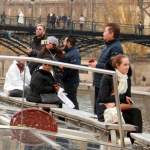
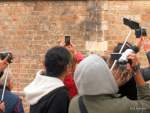 On a boat ride along the Seine, it was impossible to ignore incessant selfie-stick-use and other photo-taking-related rudeness. Two fashion conscious teen girls spent much of the trip obstructing views to snap dozens of shots of one other, another man filmed himself with an iPad while we traveled under bridge after bridge, and a third person, a twentysomething woman, supported her pink-corded phone with a selfie stick held within inches of my kid’s head in order to videotape nearly the entire trip.
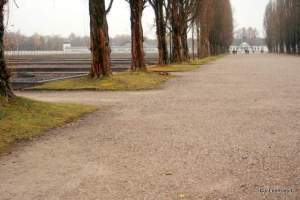 Fortunately, tourists resisted the lure of the selfie when it counted. We ended our trip with a tour of Dachau, where I was prepared to do battle with users if necessary. I needn’t have worried. Most visitors were on their best behavior, somber in dark clothing, speaking in quiet tones. I suspect they were too stunned by being in a place where such atrocities took place to do more than: listen to the tour guide, view the photographs, read the informational signs, and keep it together as they walked past the incinerator and through the “shower” facilities. My heart shrunk another size with the enormity of all the horrible things that had happened there.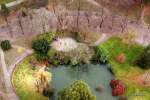
 After a dozen days away, we headed home, grateful for the experiences we’d had, the memories we brought back, and the fact that Whidbey and Fidalgo Islanders tend to resist the lure of an item that makes me get Grinch quick: the selfie stick.
 Site Title