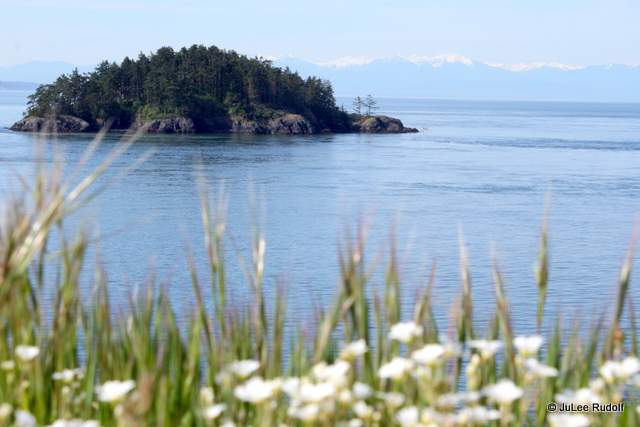
Double Bluff County Park

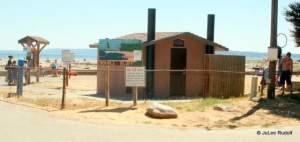
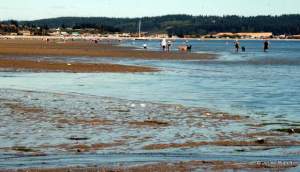
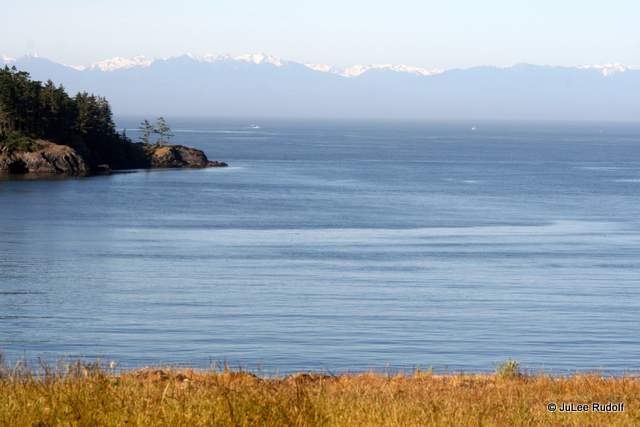
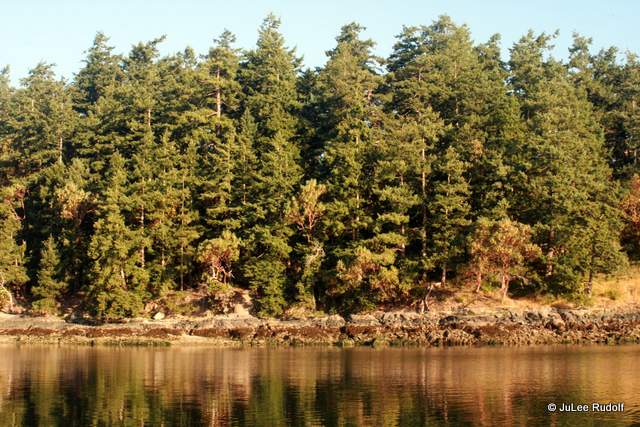
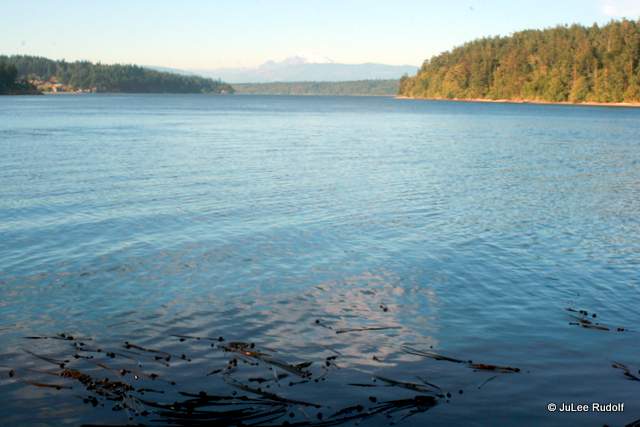
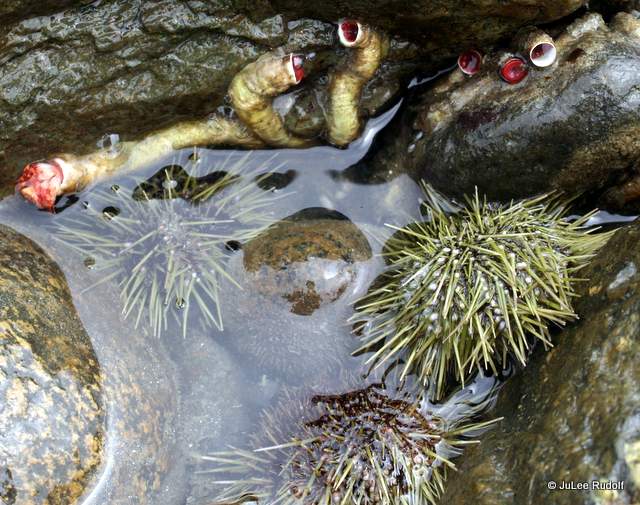
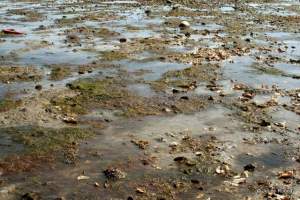
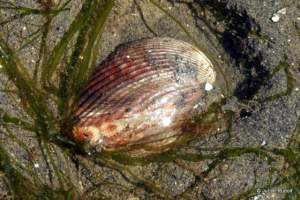
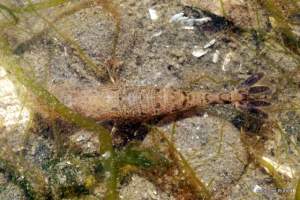
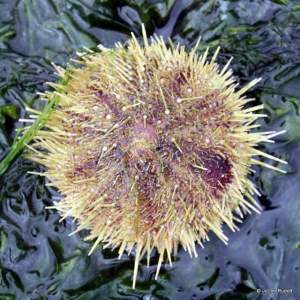
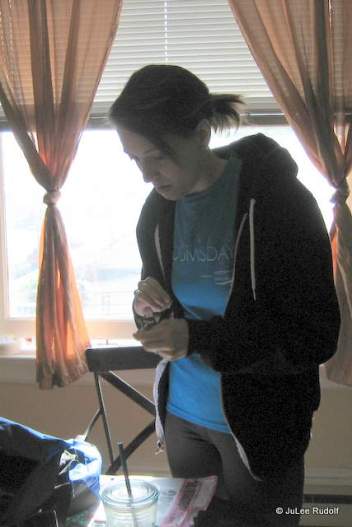
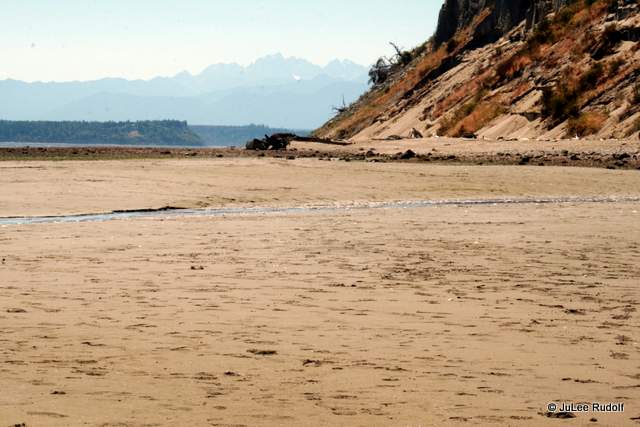
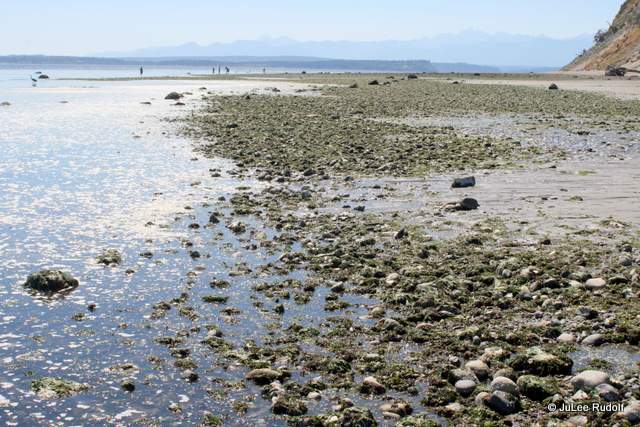
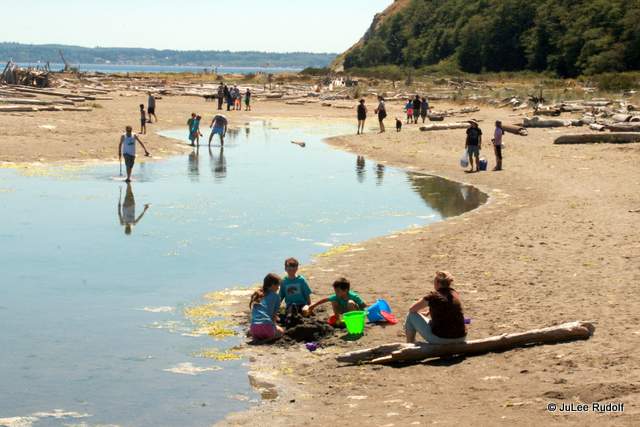
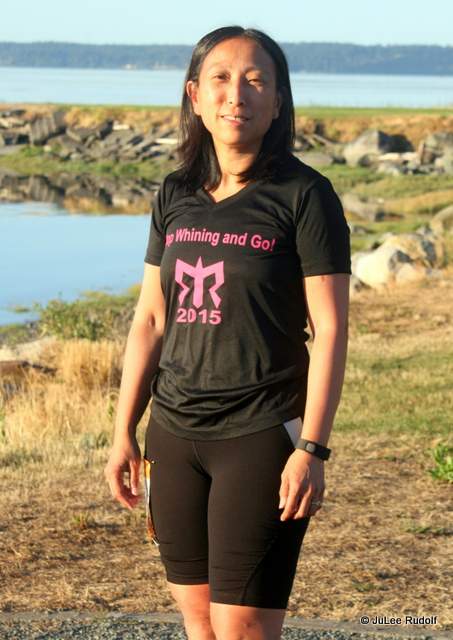
This weekend I finally had the chance to revisit one of the most vast, flat, sandy, scenic beaches on Whidbey Island: Double Bluff County Park. Double Bluff County ParlAccording to the Washington Department of Fishing and Wildlife site, “While the tidelands are a State Park, Double Bluff Park (the upland portion of the park) is operated by the Friends of Double Bluff and Island County. There are bathrooms, outdoor showers, picnic areas and a pay phone at the access area. This is an off-leash dog park. This beach features views to the south of Mt. Rainier.” The harvest profile states, “Double Bluff State Park, also known as Useless Bay Tidelands, is a 24,354 foot stretch of beach on the southwest shore of Whidbey Island. The beach is wide and sandy at the access and becomes rockier with cobble and large boulders towards the west. Two large unstable bluffs are the major feature of the uplands. Clam habitat is patchy and restricted to the cobble areas in the lower intertidal. While butter clams are the species most commonly harvested at this beach, native littleneck clams, cockles, horse clams, eastern softshell clams, and macoma clams are also present in lesser numbers.” My friend Janice (this shot from earlier in the day at City Beach)Janice Zahn at Flintstone Park and I were killing time after completing our running distances of Ragnar Northwest Passage 2015 in Coupeville as part of Van 1 while our teammates in Van 2 continued on to the finish line in Langley and decided to check it out.
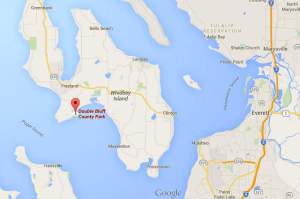
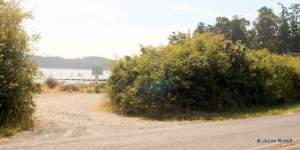
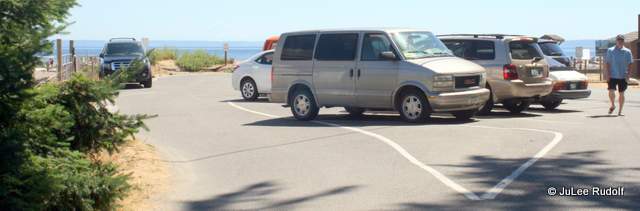
Heading south on Highway 525, we turned west onto Double Bluff Road and followed it for about two miles. From my last visit, I remembered the tiny lot, which contains fewer than two dozen parking spaces, so we stopped as soon as we found a wide enough stretch of shoulder along the road to pull over, parked, and headed towards the beach.Double Bluff Road
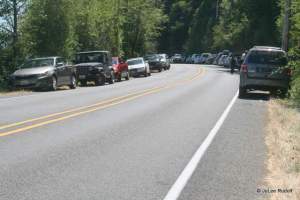
The walk took a while because there were a zillion others who’d had the same idea on this super warm, sunny Saturday. Janice was surprised to run into friends from Bellevue where she lives visiting Double Bluff. Turns out they make the trip often. In fact, it’s their favorite beach. I was surprised at how uncrowded it seemed after seeing all those cards lined up along the road on our way in.IMG_4713
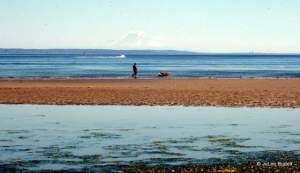
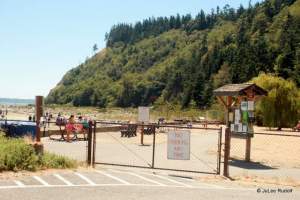
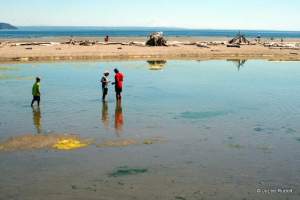
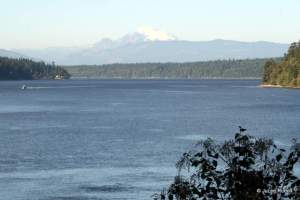
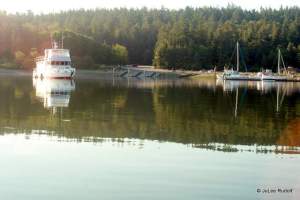
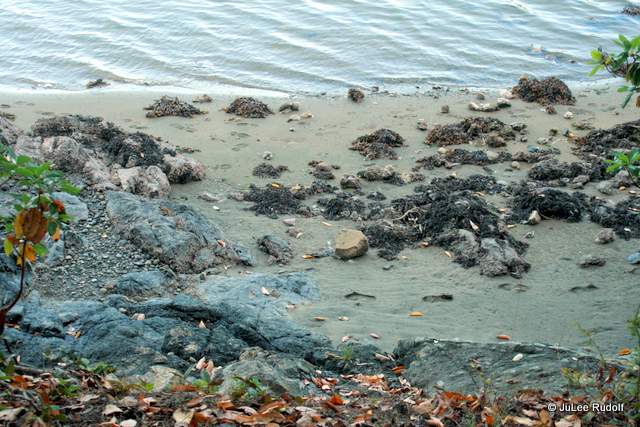
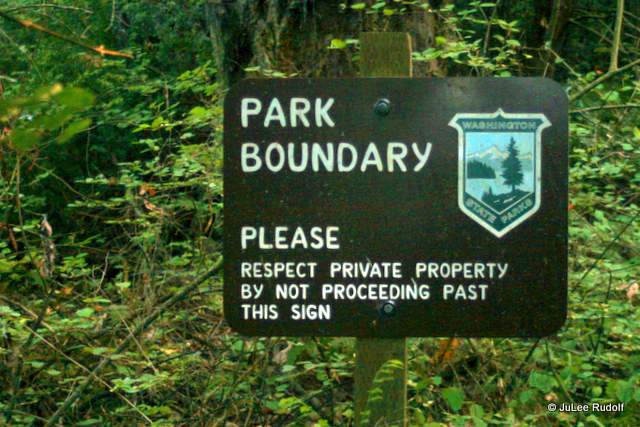
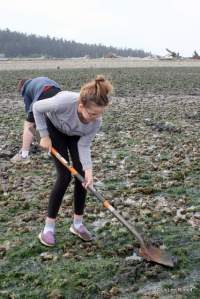
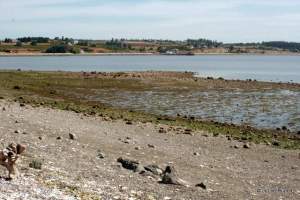
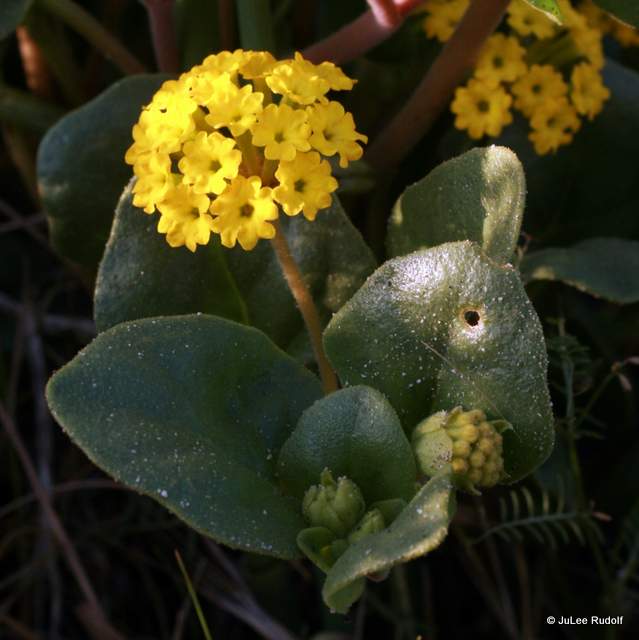
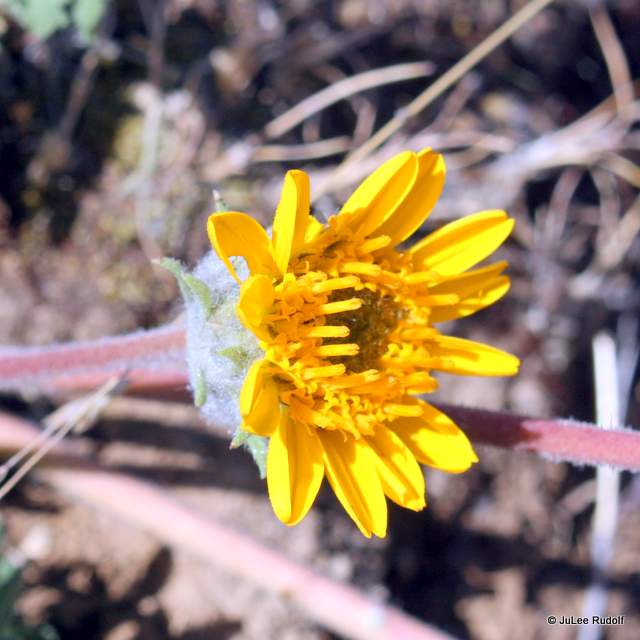
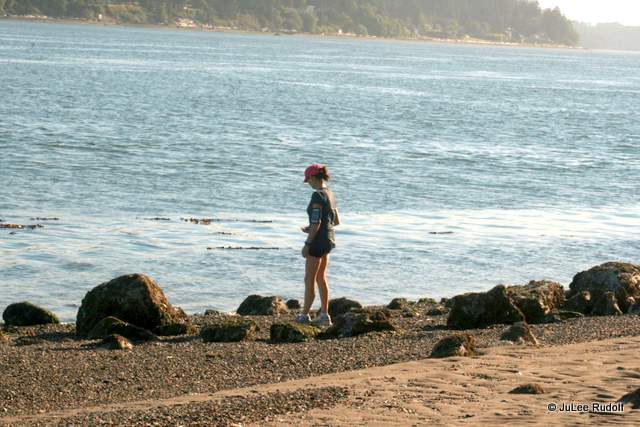
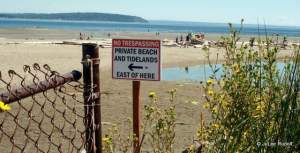
Once in view of the beach, Double Bluff County Parkwe noticed the nice waterfront homes to the northeast, Shore Drive from Double Bluff ParkMt Rainier to the southeastMount Rainier from Double Bluff County Park and the bluffs to the southwest.Double Bluff County Park Flags rustled in the breeze of a perfect-weather summer day. I had not remembered that the public was not allowed in towards Shore Ave. A conspicuous sign surrounded by yellow (gumweed) flowers warned, “No Trespassing – Private Beach and Tidelands East of Here.”Double Bluff County Park No matter. There was plenty of flat, sandy beach to enjoy to the west. Dozens of persons were there that day,Double Bluff County ParkDouble Bluff County ParkDouble Bluff County Park clamming, sunbathing, making sand castles, allowing their dogs to frolic off-leash (permitted) and even swimming. The tide was so low that several boats were beached.Double Bluff County Park As we reached the stairs from the paved area to the beach, we noticed a couple of guys wearing name tags, each carrying a bucket and a shovel. When asked, they told us they’d held a successful clam-digging class, but had no bivalves to show for it.
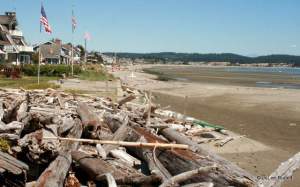
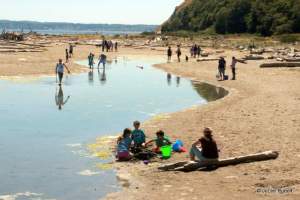
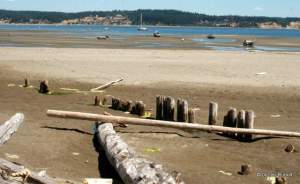
We noted the excellent visibility that allowed a look at Mount Rainier and other unknown peaks, wandered past standing salt water, picked our way across a driftwood strewn section marked with a sign and flag to indicate the start of the off-leash dog zone area, and continued towards the tide line in hopes of seeing sea creatures.
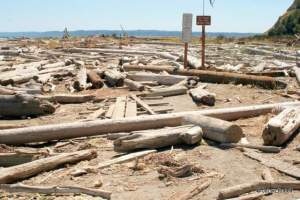
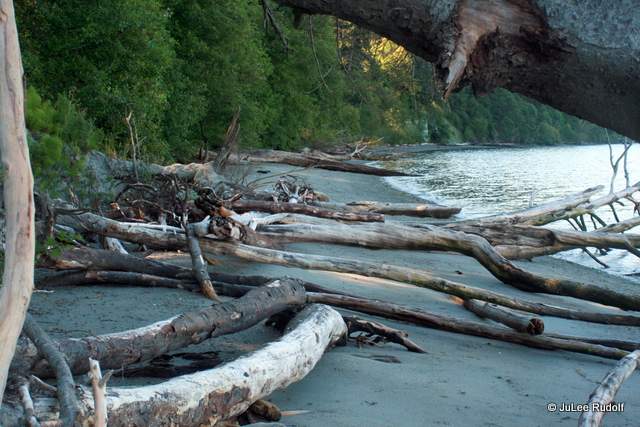
driftwood at Double Bluff County ParkThe FETCH (Off-leash parks on Whidbey Island) site paints a can’t-wait-to-take-my-dog-there picture of the place, “Running along the base of steep Double Bluff, the Double Bluff Beach Off-Leash Area is a two-mile-long stretch of salt water beach on Useless Bay. At the base of the bluffs, enormous tangles of driftwood make great doggy jungle gyms. When the tide is out, the beach is hundreds of feet wide but even at high tide, the beach is wide enough for dogs to run themselves to a state of blissful exhaustion.”
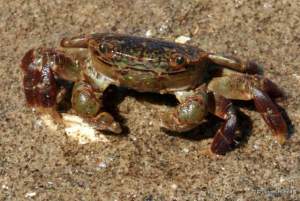
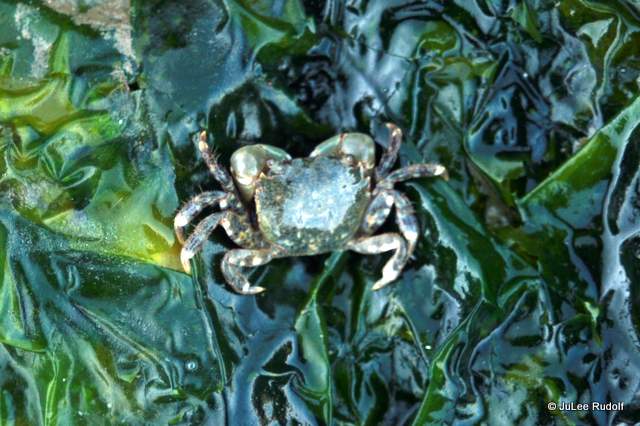
shore crab at Double Bluff County ParkA tiny (shore) crab hung out alone in the middle of an expanse of sand (more from the Department of Fisheries site, “Several species of tiny shore crabs can be found on Washington beaches. Contrary to what many believe, these are not the young of larger ocean crabs, but are simply small sized species. Under most rocks on Puget Sound shores you can find tiny black or gray hairy shore crabs ranging in size from smaller than a fingertip to about the size of a half-dollar. These are of two species, Hemigrapsus nudus and H. oregonensis.”) I suspect it was a green shore crab.
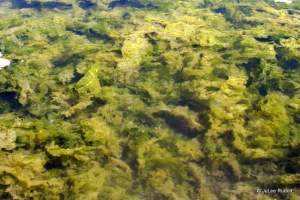
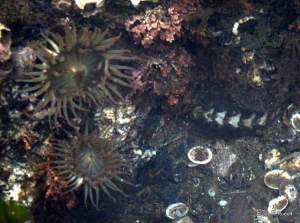
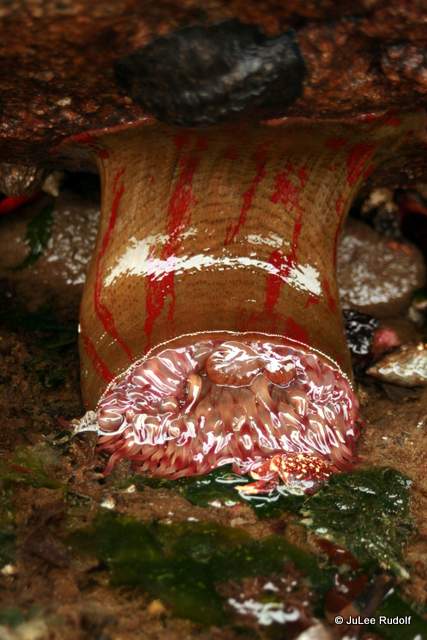
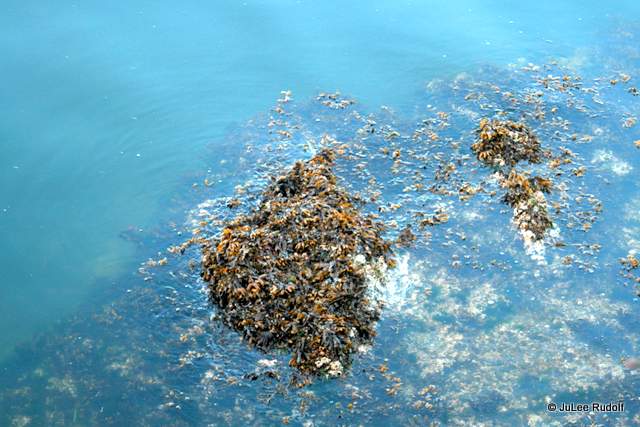
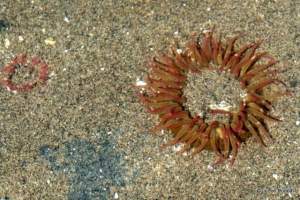
Anemones awaited the waters’ return.aggregating anemones at Double Bluff County Park Seaweed floated.Seaweed at Double Bluff County Park
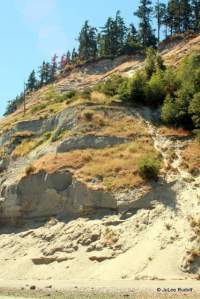
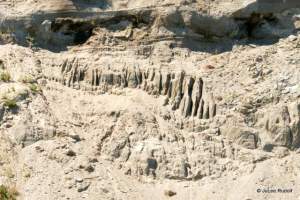
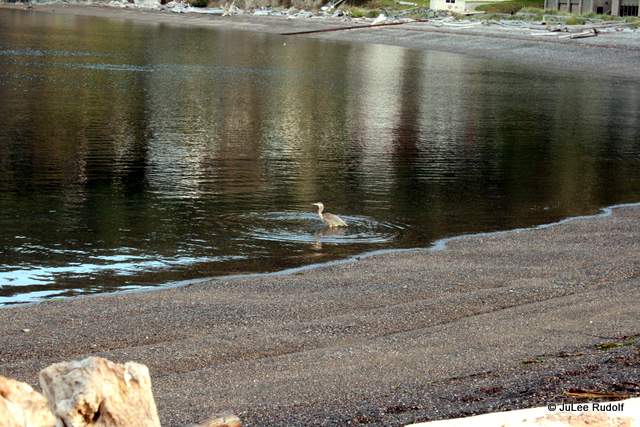
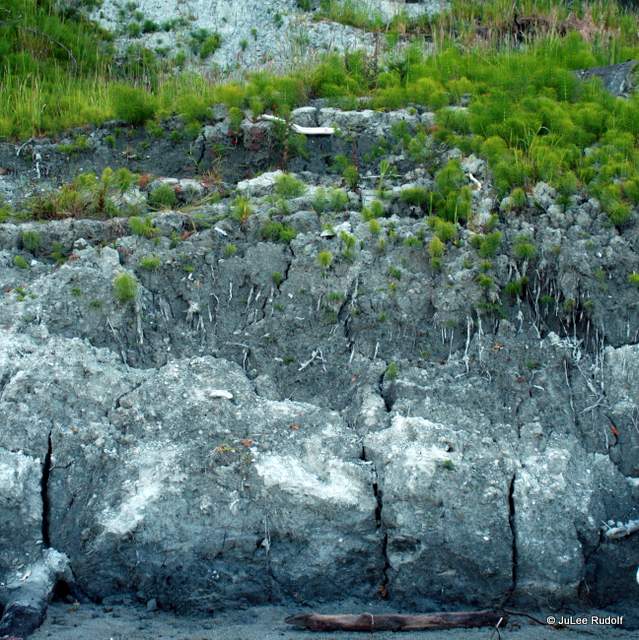
And herons fished while we continued across tiny channelsDouble Bluff County Park and enjoyed views of the bluff,Double BluffSandy hillside at Double Bluff County Park
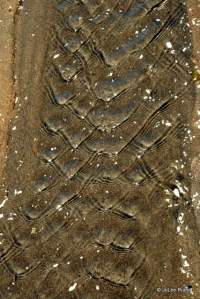
the beach and the mountains. We talked about stuff like individuals’ versus religious rights, the increased difficulties and pressures our (two teenagers each) kids face as they attend high school in hopes of getting accepted into a college they hope to attend versus our own experiences (we met in college), and issues surrounding the Confederate flag while tracking the time and trying to be present (remnants of a vanmates thoughtful talk about being mindful and present while participating in Ragnar) and appreciative of our Double Bluff experience. In less than an hour, we knew we needed to make our way to the Ragnar finish line at the Island County Fairgrounds.

As we neared the shore near the bluff,Double Bluff County Park we noticed more clammers, persons finding shade under makeshift driftwood shelters and others along the edge of the beach staying out of the sun and a really rocky area exposed during the day’s low tide.Double Bluff County ParkFewer than 60 minutes later, we made our way back across the sandy, then rocky, then water channel-y, then driftwood-y sections towards the parking lot, passing a red rock crab that looked like I felt after completing over a 25k worth of Ragnar Relay miles, the last half (along West Beach) on just over three hours of sleep. 
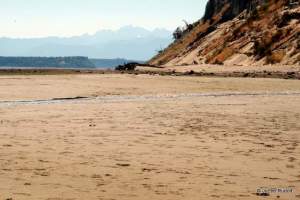
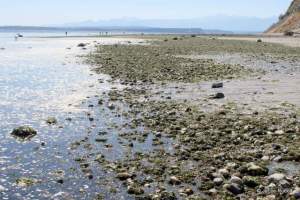
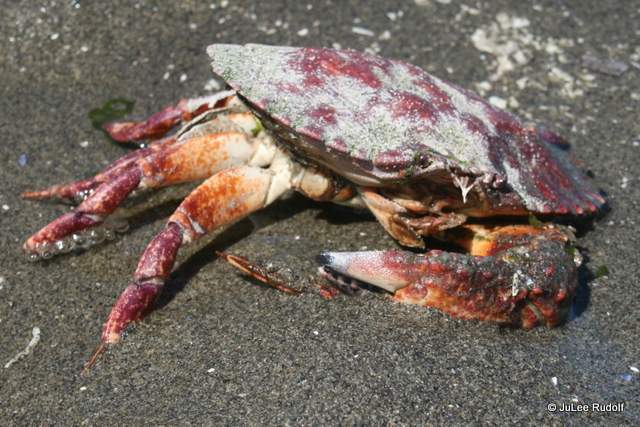
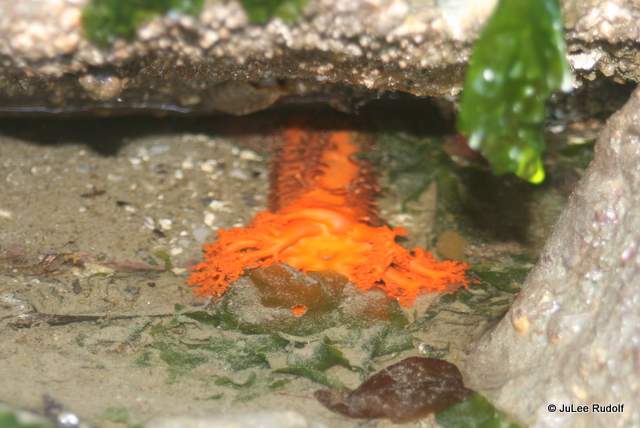
red rock crab at Double Bluff County Park
Half an hour later, we’d followed the Ragnar directional signs and runners to the finish line in time to join our twelfth woman, a super speedy gal named Sonia, fly across the finish line.Stop Whining and Go at the finish line of Ragnar NW Passage 2015Double Bluff County Park has an extensive, super flat sandy beach that extends for (4.6) miles, beautiful views of mountains (including Rainier), anemones, crabs, bivalves, birds, rabbits, picnic tables, driftwood and lots of other things that make it a perfect place for a quick picnic or hours of fun in the surf and sun. 
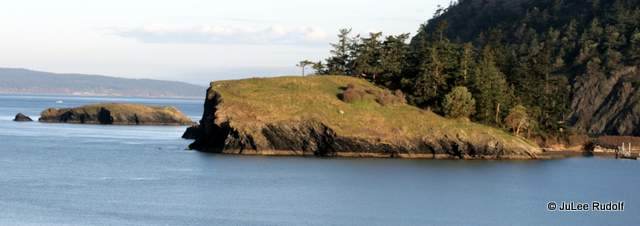
Rosario Beach, Head and Tide Pools at Deception Pass State Park

Rosario Beach at Deception Pass State Park

Shh…Don’t tell anyone.

Arrive on any non-summer-visitor-rush day at Rosario Beach and you will likely be alone. I know, right? Unfortunately, most folks must visit during the summer months, which are also awesome, as long as you don’t mind sharing. And I don’t.

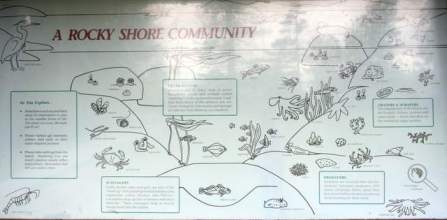
RosarioSetup7First, the tide pools, also known as the Urchin Rocks, for reasons that will become obvious when you arrive. En route, stop at the kiosk (you’ll pass it and the new restroom facilities on your way). Check out the sketch on the back side to see examples of creatures you might encounter during low tide. The informational sign shows several creatures that I have yet to find, including nudibranchs and octopuses.
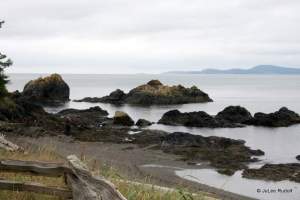
IMG_5169IMG_3631-001Then follow the path towards the water and head to the rocks on the right. During the summer, a Beach Watcher will likely greet you. She is there to remind you to tread carefully on the rocks, which are covered with mostly small, often delicate creatures, and follow the rope path along the rocks to minimize damage to living things.
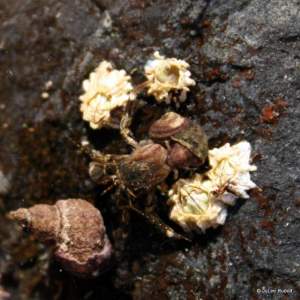
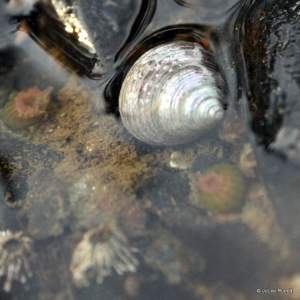
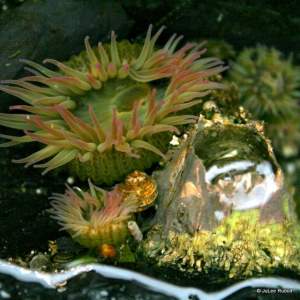
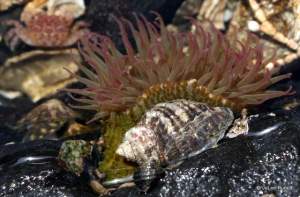
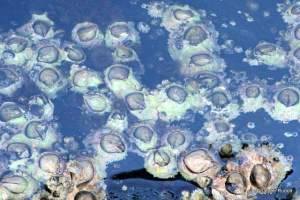
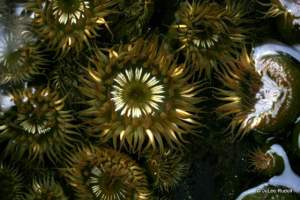
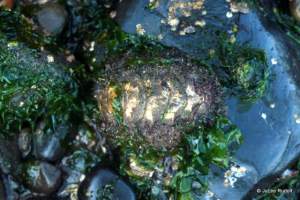
hermit crab with dog whelk and barnaclesIMG_5460aggregating anemoneaggregating anemone and chitonaggregating anemonedog whelk and anemonetube wormbarnacles

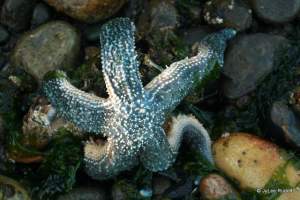
aggregating anemonepainted anemoneburrowing sea cucumbers and sea star

Expect to see, at a minimum,
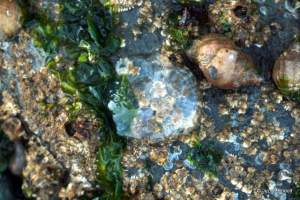
barnacles, hermit crabs, chitons, mussels, dog whelks (a type of snail), puppet margarite snails and absolutely, positively: anemones!

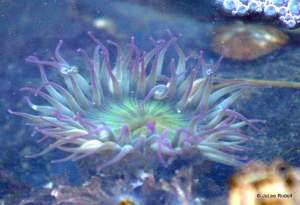
The UPS Slater Museum of Natural History site says, “This and some other anemones are tinged green because of commensal algae called zoochlorellae that grow within them. These algae photosynthesize, and some of the organic compounds they produce are transferred to the host anemone, providing some of its nutrition. This anemone functions something like a plant in the intertidal zone! The species reproduces asexually by budding off small individuals, which then grow to maturity. When you see a mass of these anemones, they are a clone, all individuals genetically alike because of this. But when two of these colonies develop next to one another, they engage in what could be called “clone wars.” They have special tentacles around the rim, and those on the edge of the colony deploy them against the adjacent colony and force it back, so there is always a clear separation between the colonies.”

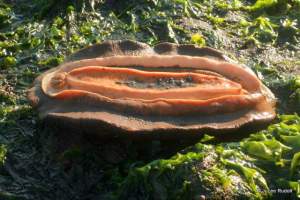
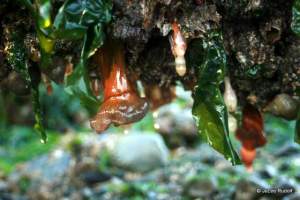
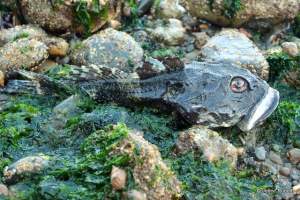
Look carefully, and you may also see tidepool sculpins (a type of fish), tubeworms, and orange ribbon worms. If the tide is especially low, so low that the bases of the larger rocks are exposed look there to find bright orange (with brown highlights) burrowing sea cucumbers and painted anemones.

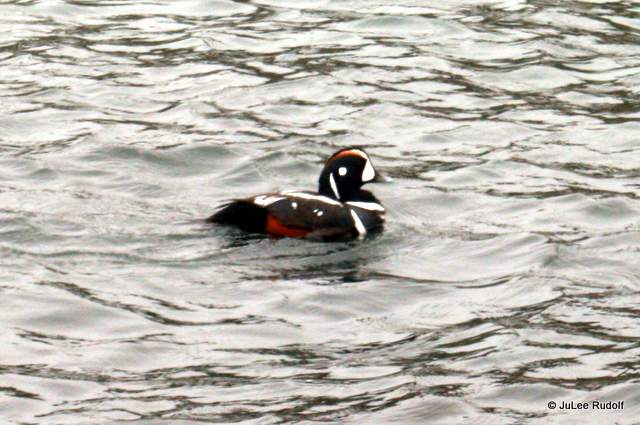
Pay attention to the waters and the skies and you will likely see birds, especially herons, osprey, bale eagles, common flickers, oyster catchers, hummingbirds and Harlequin ducks.

IMG_2703IMG_5478

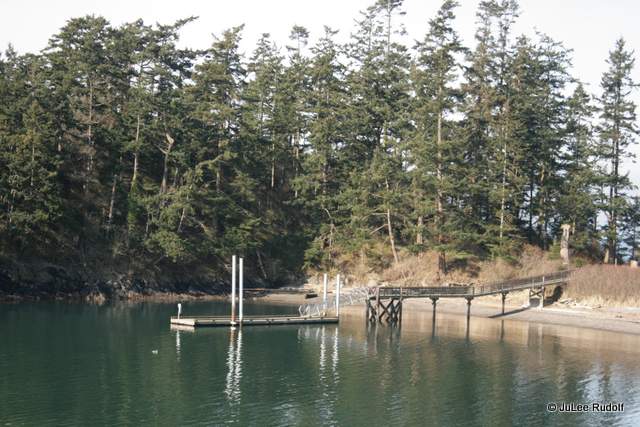
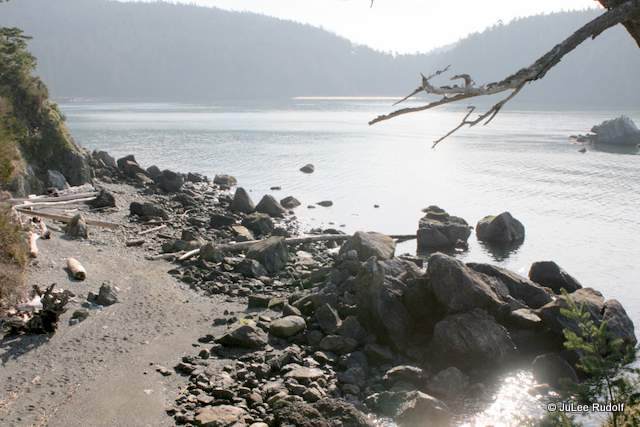
Opposite the Urchin Rocks, you’ll find Sharpe Cove, complete with a small dock. Carefully lift rocks at low tide to see small crabs and other creatures. Be a good beach steward and just as carefully return rocks to their original positions before you go.IMG_9320IMG_3949East end of Sharpe Cove
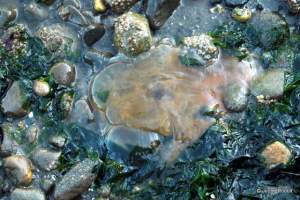
When the tide is especially low, you might find exposed plumose anemones, burrowing sea cucumbers and/or species of urchins that you might not see in the tide pools. I once saw (and, I’d like to think…ahem…rescued from beaching itself) a Lion’s Mane jellyfish!

plumrose anemonelion's mane jellyfish at Sharpe Cove Rosario Beach

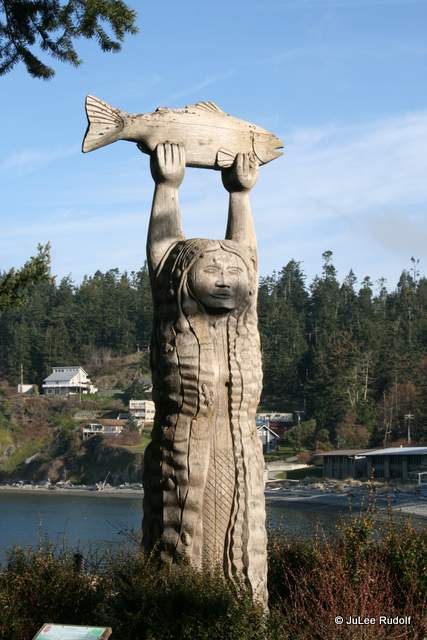
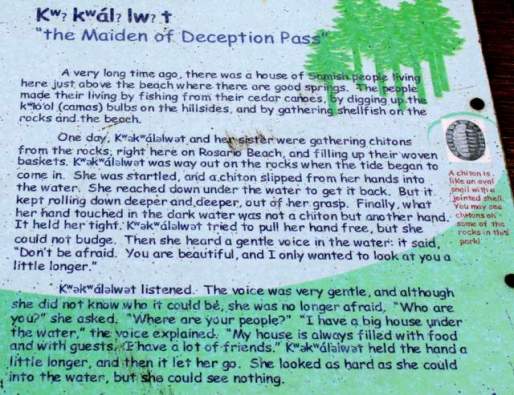
During high tide, there is less to do in Sharpe Cove, so be sure to check out the carved wooden statue of the Maiden of Deception Pass and read the legend about her on the informational sign. There is an excellent video as well.IMG_9254IMG_5386-001IMG_3639-001Finally, spend some time hiking either along the north side (which is rocky), central or south side trail to Rosario Head. From BBC GCSE, “Headlands are formed when the sea attacks a section of coast with alternating bands of hard and soft rock.(P) The bands of soft rock, such as sand and clay, erode more quickly than those of more resistant rock, such as chalk. This leaves a section of land jutting out into the sea called a headland. The areas where the soft rock has eroded away, next to the headland, are called bays.”
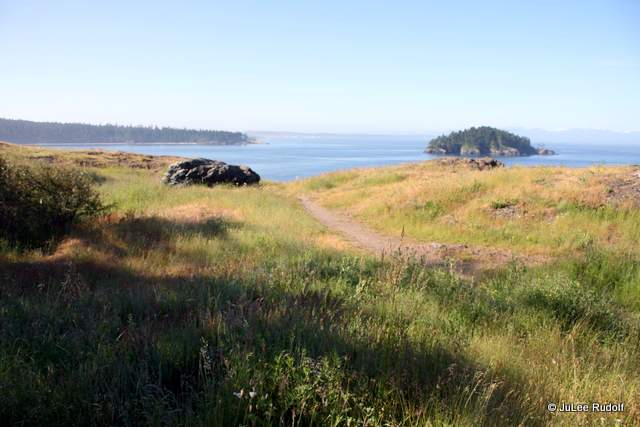
IMG_3860Deception Island from Rosario HeadIMG_3670

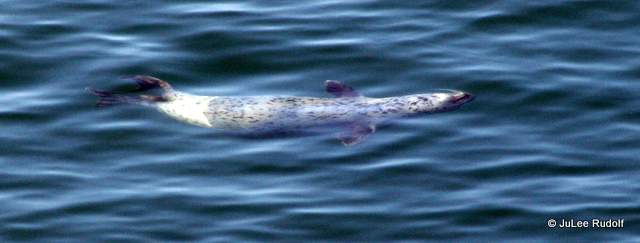
In the spring, you’ll find many species of wildflowers at Rosario Head. I’ve also had bird encounters and even one, from a distance, with a seal frolicking in the water.

IMG_3782-003IMG_3847-001IMG_3658-001

IMG_3773-002

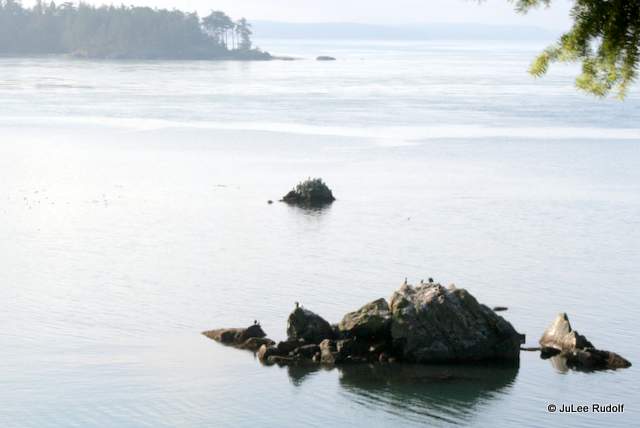
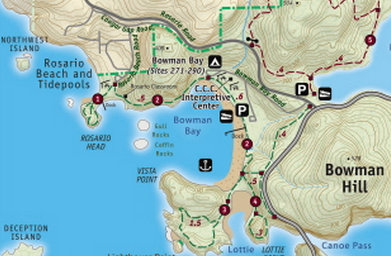
From Rosario Head, you can see West Beach, Deception Island, Northwest Island, Gull Rocks and Coffin Rocks.

When you’ve had enough of the view (plan for this to take a while) and return to the large grassy field beyond the strip of land between the two bays on your way back to the parking lot, to the right you’ll see the trailhead for the half mile long Bowman Bay/Rosario Beach Trail that runs between these two areas of Deception Pass State Park, which I highly recommend. Rosario Beach is a great place to visit anytime, but especially during low tide.

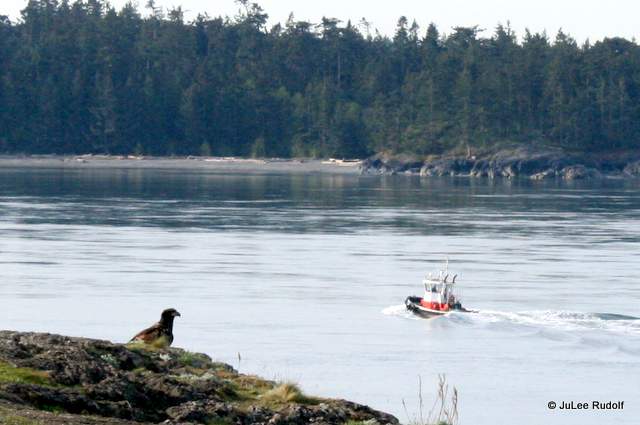
juvenile eagle and tugboat at Rosario HeadIMG_9272Rosario Head viewed from Lighthouse Point TrailDeception Pass State Park map excerpt showing Rosario Beach and Bowman Bay

PS Movie fans might want to know that a significant scene from the movie Captain Fantastic starring Viggo Mortenson and scheduled for release later this year, was filmed at Rosario Head in September of 2014, “A father living in the forests of the Pacific Northwest with his six young kids tries to assimilate back into society.” Here’s a close-up of the actor (Deception Island is in the background). This second photo shows the filming crew too.

Scrapy Sounds, Stinky Smells and…Serenity

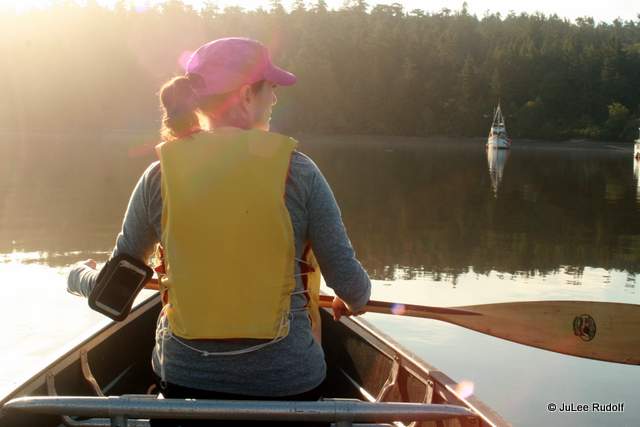
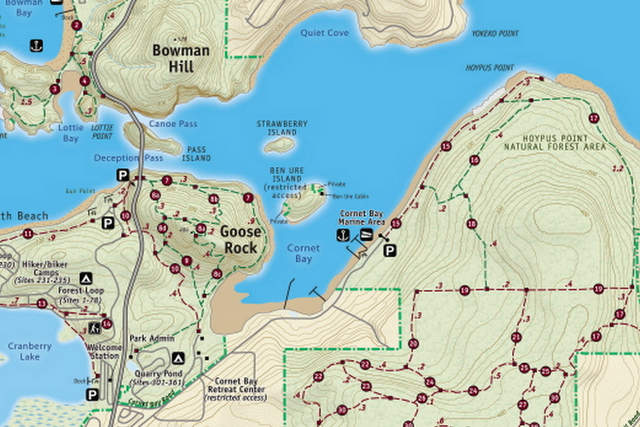
If my same-size sister and I had known that the canoe our neighbors agreed to loan us weighed nearly as much as one of us, we’d have handled things differently. Our plan: to lift, load and transport the dark green Coleman X Scanoe to our destination seven miles away: Cornet Bay, part of Deception Pass State Park, where we’d then unload the behemoth and paddle over to Ben Ure (rhymes with “cur”) Island for a camping adventure. The canoe was not only heavy but so large that its sides extended beyond the three successively larger cars, thus roof racks, from which we had to choose. We finally found a set it would fit (though not well) on our our old Dodge Caravan, half-filled with cedar-smelling brush awaiting transport. The tiny (by my calculation, about 11.5 acres) island to which we were headed is named after an infamous man with a “rocky…exciting” past and is home to four to six private residences.

Chrome Legacy Window 6292015 91107 PM

Athough it appears that much of the island is state owned, cabin campers are allowed on just a tiny sliver of its northeast quarter. State Park signs clearly mark the very limited boundaries. Restrictions on the use of the cabin include: travel by kayak or canoe only, no pets and two campers max. Coolest thing ever, Jonathan Nelson’s Google Maps’ 360 degree view of the inside of the cabin, record in late 2013, which is still pretty accurate save for the addition of two borrowable sleeping bags.

We arrived at low tide hoping we’d find a place to beach our boat somewhere along the rocky barnacley
shore. IMG_3949IMG_3950Better said than done. Scrapy sounds of barnacles on the 110 pound borrowed plastic hull stressed us out as we drag/carried it across the rocks to higher ground, then debated the best place to store it to prevent its disappearance during the 1:00 am high tide. I used the one knot I know, the bowline, to attach it to a tree, after which we headed up the hill, then to the east down the trail to the cabin. IMG_3973IMG_3984As we rounded the last corner along the perimeter of the island, I heard the call of my nemesis bird and, of course, took a totally lame photo of the belted kingfisher that would continue to fish (and mock me with its call) during of our stay. IMG_3959
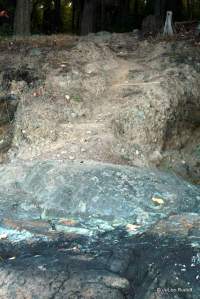
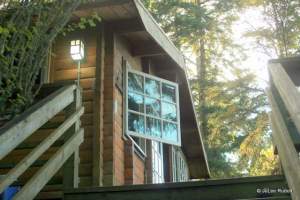
When we reached the deck at the top of the stairs, we were surprised to see two cabins, ours, and another similar looking one that almost abutted its north side.

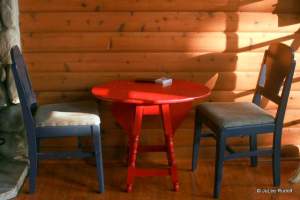
Our 12’x24′ cabin was rustic with a tiny red drop end table and set of chairs, an additional rattan-ish chair, a fireplace, full kitchen, bathroom and outdoor shower.On first glance, we thought it was awesome, but we already knew that the water running through the pipes was not potable as it came from the sea. What we didn’t know was that it would smell like rotten eggs (well…sulfur) every time we turned on the faucet or flushed the toilet. So, there was that. The only other inconvenience was the futon couch that folded into a bed. We’re both small and I can’t imagine a pair of bigger persons fitting comfortably on it. Info about the amenities claim queen but I’m pretty sure it’s more like a full, though, honestly, we didn’t much care.After settling in, we opened a bottle of wine, brought out our deck of cards and chatted for a couple of hours while playing Speed and Crazy Eights as we watched sun fade from Mt Baker.IMG_3999IMG_3991

IMG_3955IMG_3954IMG_3957

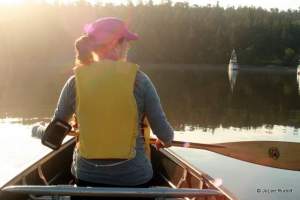
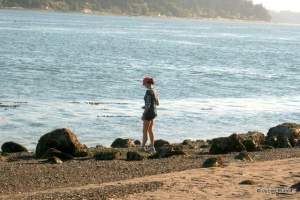
IMG_3953 Both of us were insomniacs that night. We hadn’t thought to turn up the heater as the temperature was perfect when we went to bed, because of which we ended up feeling cold in addition to uncomfortable on the futon. The next morning, the sun streamed in early in through the curtainless square window pane french door. So, we were easily up at 6:00 am, ready to return to Cornet Bay. We were relieved that the canoe hadn’t floated off during high tide, but dreaded drag/carrying it back down through the barnacle-encrusted rocks and seaweed into the bay. The water was calm as we paddled back to the shore near the boat launch area.IMG_4001 IMG_4005After securing the canoe with a bike lock while we waited for the brawn to arrive to help us return it to the top of our vehicle, we we walked the mile to the end of Cornet Bay Road, then returned to the boat launch along the shore, beach combing during the low tide. IMG_4007We collected shells and sea glass and pointed out cool creatures to each other like jellyfish, chitons, plumrose anemones, burrowing sea cucumbers and crabs. In the parking lot, we encountered a family of deer.
IMG_4039IMG_4050

IMG_4035IMG_4018IMG_4011

IMG_4019We did the same thing again that night though were better prepared, returning to the cabin with the previous day’s knowledge about the optimum beaching spot, arrived later, handled the heaters better and actually got a little shut eye, both of us figuring it was because we were so tired from lack of sleep the night before. IMG_4026IMG_4017I read aloud from the journal entries other campers had made. We learned that they had similar feelings about the futon (small and
uncomfortable – often recommending its placement on the floor for better sleep), the sulfur-smelling well-water (funny comments involving rotten eggs and farts) and noises in the night (it seems they occasionally experience visits from creatures like mice and raccoons). 
IMG_4061IMG_4062
Everyone seemed to agree that the solitude
and the views outweighed the inconveniences of uncomfortable futon and smelly saltwater.

With help from heat (and probably because we were so tired from not sleeping much the night before, we both slept well. The following morning, we awoke refreshed, and drank coffee on the deck and listened to the birds and the squirrels. The cabin cleanup went smoothly, after which we loaded up our gear and returned to civilization, without a visit from the Billy the park ranger and his dog Buddy, something several other campers had noted as a highlight of their stay.

IMG_4004IMG_3981


IMG_3980IMG_3979IMG_3974

IMG_3967IMG_3964IMG_3963

Channeling Frederick

Frederick, the title character of one of Leo Lionni’s many wonderful children’s books, is a mouse that seems to be daydreaming and shirking his preparing-for-the-winter-months duties while his mice friends work. But when winter comes, he does his part by sharing the memories he collected and lifting their spirits.

Frederick by Leo Lionni

Last week Tuesday while others in my own household attended school and completed work around the house to prepare for our move north (to Fidalgo Island) this fall, I sneaked off the second day in a row to Penn Cove to collect memories of my own during a rare minus 2.6 foot tide.Chrome Legacy Window 6242015 91223 AM.bmpChrome Legacy Window 6242015 91812 AM

During Monday’s minus 2.2 foot tide, I’d attempted to collect bivalves, specifically Manila clams, to make clam chowder.

The last time I’d gone clamming, on a Mother’s Day trip to Ala Spit in May, the only month during which it’s allowed there (although you’ll often see oblivious persons collecting clams all year long), my kids and I collected clams and cockles.

clamming at Ala Spit

Two guys shucking clams at the site showed me the parts I should keep for my soup. Trimming off the desirable parts, my seemingly sizable haul was reduced to a tiny bowl of usable pieces that tasted kinda tough when cooked. I was disappointed. But I am not a quitter, so I decided to try again.

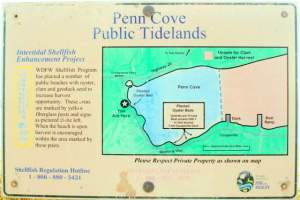
Last summer, I collected several different types of bivalves at Mueller Park Beach Access, part of Penn Cove, and indicated by You Are Here on this sign at the site.IMG_3650

This year I decided to skip the mussels, even though they’re my favorite, and cook some that I’d picked up at the commissary on one of the several days a week they’re delivered fresh. They were delicious, though I prefer Toby’s Tavern’s super consistent, always excellent steamed mussels.

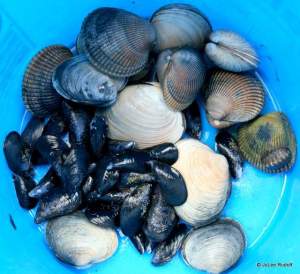
Shellfish from Mueller Beach

On advice from the Ala Spit guys, during my trip to Mueller Beach, I didn’t waste time collecting cockles and searched solely for Manila clams.

Note: find all the information you need about clamming at the Washington Fisheries site, including photographs and descriptions of clamsmusselsoystersPuget Sound Clam and Oyster FAQs, Public Clam and Oyster Beaches, and the logic behind Shellfish Harvesters… Please Fill in Your Holes.

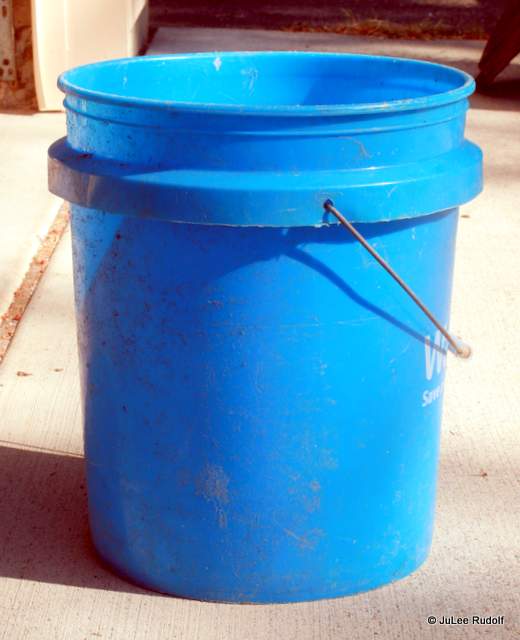
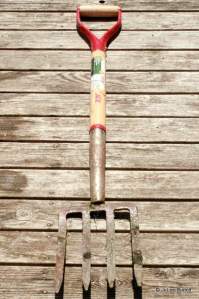
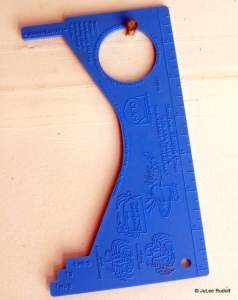
I grabbed my clamming necessities: a shovel, special rake, fishing license, a tool to measure the small ones (minimum size is 1.5 inches across), a quality knife in case I decided to shuck the clams on the beach (note: you are required to shuck oysters on the beach), sunscreen, proper shoes (an old pair of minimalist trail running shoes that are slightly stiffer than swim shoes), a bucket and, of course, my camera.

utility bucket for shellfish harvestingclamming pitch forkshellfish measurer

Mueller Park Beach Access parking lotAbout half an hour before low tide, I arrived at Mueller Park’s Beach Access’s small gravel lot (called West Penn Cove at the WA State Fisheries site). For anyone unfamiliar with this place, it’s located about a quarter mile from the intersection of Highway 20 and Madrona Way and is easy to miss, so check your map beforehand. I parked, grabbed my gear and headed across the muck towards the outgoing tide.
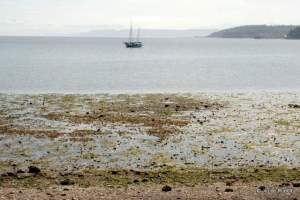
Mueller Park BeachMueller Park BeachMueller Park BeachAlthough only one other vehicle was parked in the lot when I got there, several others arrived within minutes.
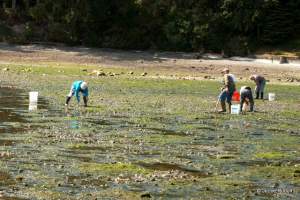
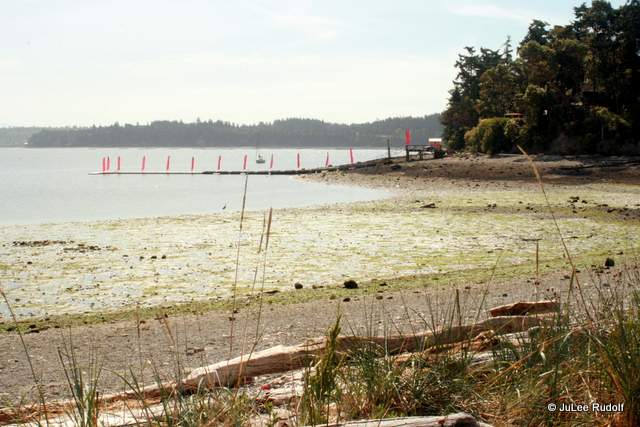
clamming at Mueller Park Beach

Note: the limits of the public clamming area are clearly marked here, but…some people tend not to pay attention (several persons, not shown in the photo, wandered way outside the limits onto private property, no doubt because they did not know better).Mueller Park Beach

My advice: don’t be oblivious. If you aren’t sure where you’re allowed to go, just ask someone. Clammers tend to be really friendly and happy to help.

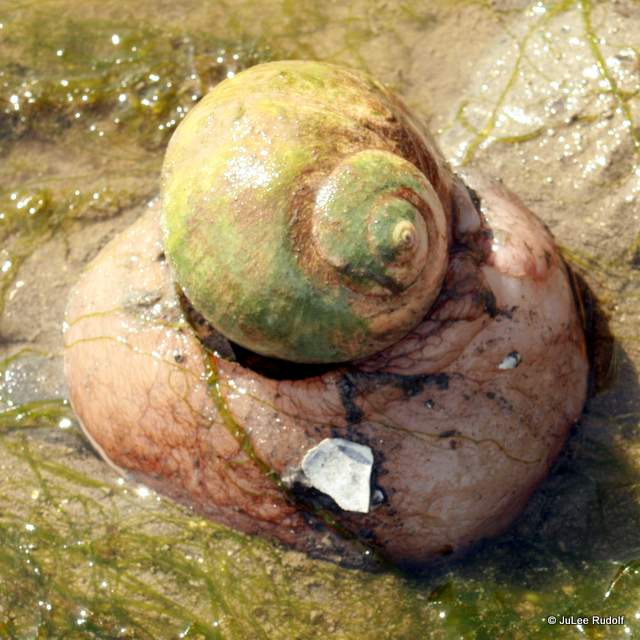
One woman held up a mollusk she hadn’t seen before. It was a moon snail.

Penn Cove moon snail

siphons on cockle at Penn CoveThe technique I’d been told in the past was to watch for squirting water, which the bivalves squeeze through their siphons, unintentionally indicating their presence, then dig a hole about a foot deep at that location.
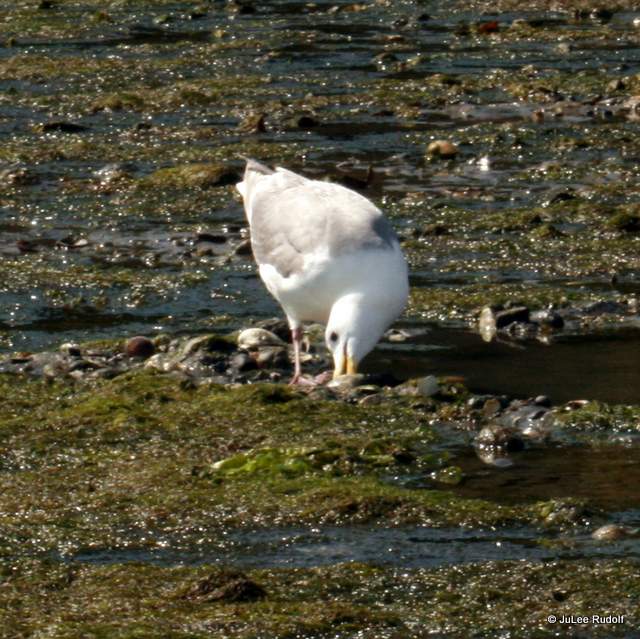
I lucked out by finding a cockle with siphons exposed. I tried the dig-at-squirting-water-spot several times with using a shovel with little luck, but eventually came upon a guy who seemed to know what he was doing. He was using a rake and had simply started flipping over rakefuls of wet sand in one spot and spreading the muck around in a circle, moat-like, then collecting the clams. When he tossed a badly mangled mollusk carefully towards a gull, I figured he was a nice guy, and inquired about his technique.

gull at Mueller Beach

His name was Michael, he grew up on North Whidbey, and he’d planned to use the clams to make chowder, cooking and then chopping up nearly the entire clam, stomach contents and all.

He explained that he chooses a spot that does not look like it’s been dug, pushes the pitchfork tines all the way into the sand, then flips and spreads the soil, usually getting his limit (about 22 or so clams to stay under the 10 pound per person per day limit). Then he showed me what he meant and suggested a good spot. Before he left, he came over, placed some clams in my bucket and suggested corrections to my technique (I needed to push the rake in deeper). I switched to the rake, followed his method, and ended up with about 20 Manila clams.

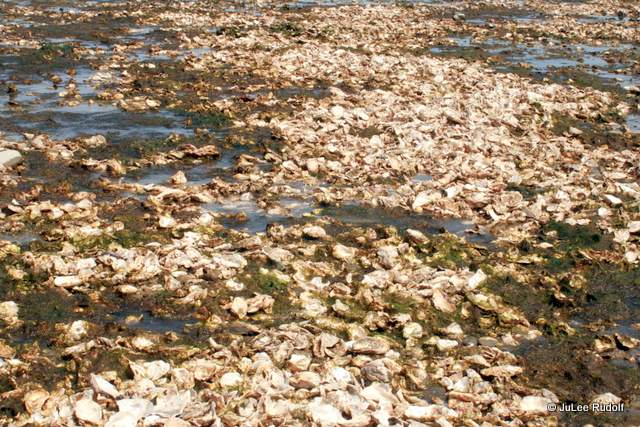
As this beach is usually a great place to find oysters, I chatted up a few folks who didn’t seem to be having much luck finding any in a sea of shells. They speculated that the lack of oysters, which are planted at the site, was the result of over harvesting.oyster shells at Mueller Beach

While there I wandered through the shallow water in hopes of seeing sea creatures not normally exposed.

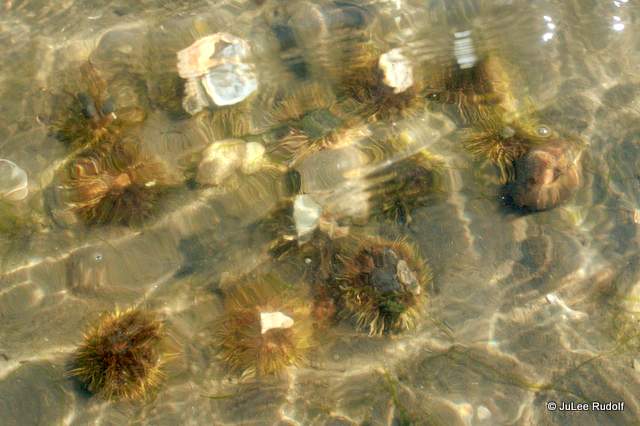
I noticed submerged green urchins, more than I’d ever seen anywhere on the island, and decided to return the following day in hopes of observing them unsubmerged.

green urchins at Mueller Beach

California Bay Shrimp at Mueller BeachI also also observed a California bay shrimp for the first time ever and some small fish that swam too fast to photograph.
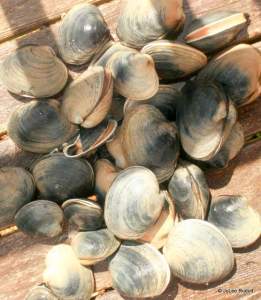
About an hour after I arrived, it was time to go as I’d collected my limit, a few photos, and some pretty good memories.

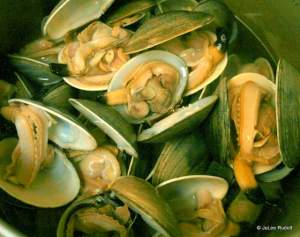
I returned home, rinsed the clams and cooked them in water in a huge pot with a clear lid. About five minutes into the steaming process, the clams began to open, making a sucking sound as they did. When they’d all given up trying to stay shut, I rinsed and iced them so that they wouldn’t continue to cook.

Manilla clams from Mueller Beachsteamed Manila clams from Mueller BeachLater I removed mainly the stomach, which is pretty big, then rinsed and chilled the small amount of chopped clams I had left to use in my chowder. I followed Michael’s instructions, placing the clams in at the very end, after the potatoes were done, and only long enough to heat them up. I wasn’t as impressed as I’d hoped to be. The soup was good, except for the clams, which were tough. My family agreed that we preferred the recipe made with crab meat instead of clams.
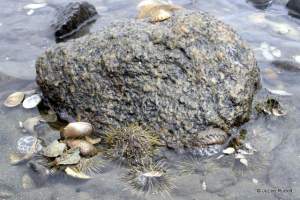
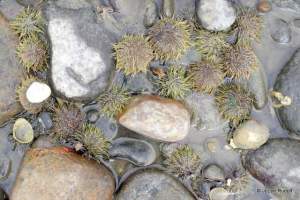
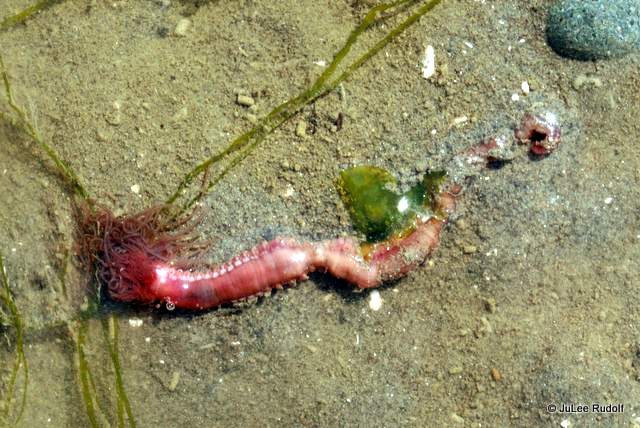
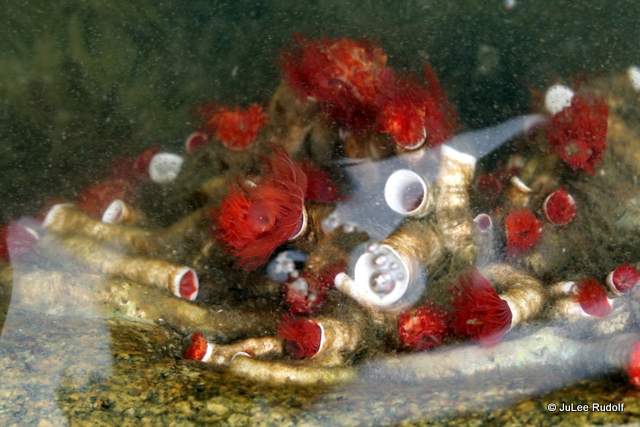
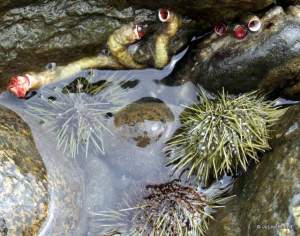
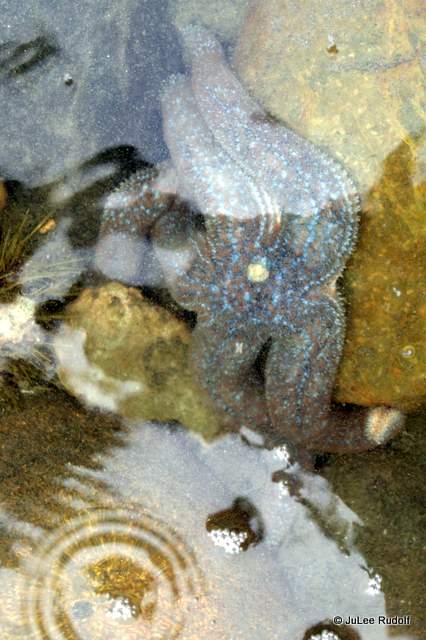
green urchins at Mueller Beachgreen urchins at Mueller BeachThe following day I returned, channeling Frederick, in hopes of finding exposed green urchins. green urchins and tube worms at Mueller Beachgreen urchin at Mueller BeachAnd did. I wandered along the water’s edge snapping photos not only of these small spiny creatures, but also a pileworm, unknown worm, feather duster worms (which were everywhere), ghost shrimp, sea stars, burrowing sea cucumber and some sort of brown anemone.sea star at Mueller Beach
IMG_3680

tube worms at Mueller Beachburrowing sea cucumber, tube worms at Mueller Beach

Ultra-low tides are few and far between, so I’ll be back (for photos, not clams) during the next one, channeling Frederick.

anemone at Mueller Beachghost shrimp at Mueller Beach

South Whidbey State Park

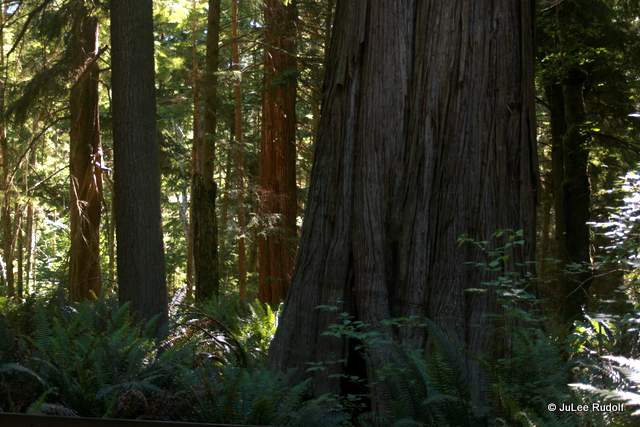
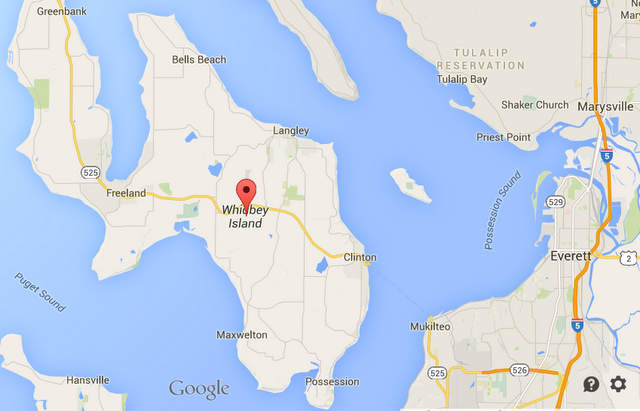
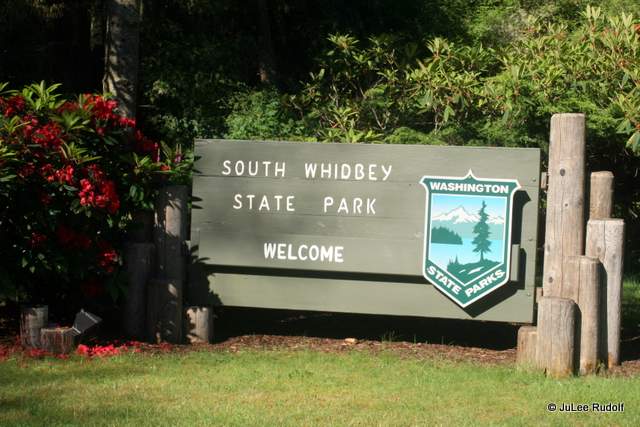
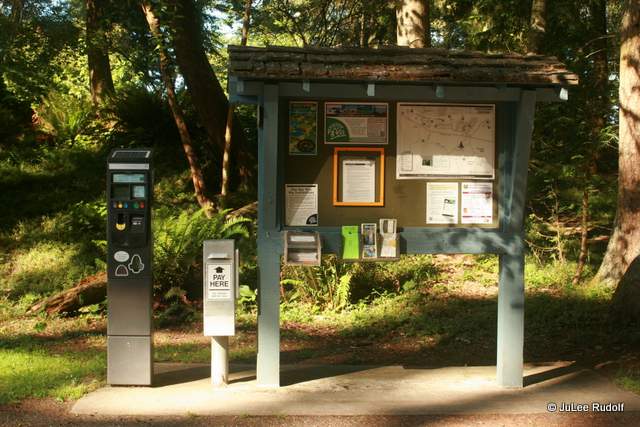
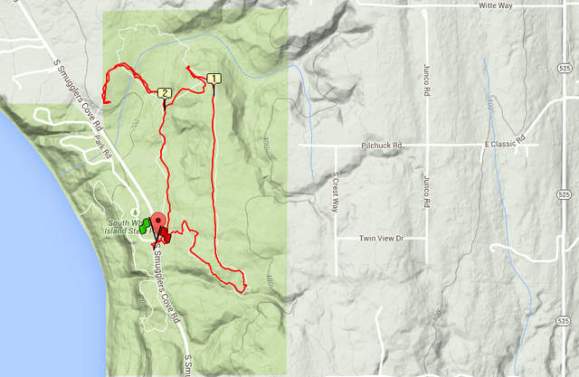
Last week, for the first time during the decade I’ve lived on Whidbey Island, I made my way to South Whidbey State Park, located between Greenback and Freeland. The Washington State Parks site says, “South Whidbey Island State Park is a 347-acre camping park with 4,500 feet of saltwater shoreline on Admiralty Inlet. Park features include old-growth forest, tidelands for crabbing and clamming, campsites secluded by lush forest undergrowth, and breathtaking views of the Puget Sound and Olympic Mountains.” It’s shown in green to the far west on this map. SWSP1South Whidbey State Park sign I arrived at 8 o’clock on a Monday morning, hoping to have some alone time on the beach and trails.Minutes later, another vehicle showed up, probably with the same idea in mind. I cut my informational kiosk viewing time short and followed the sign towards the Beach Trail.South Whidbey State Park kiosk

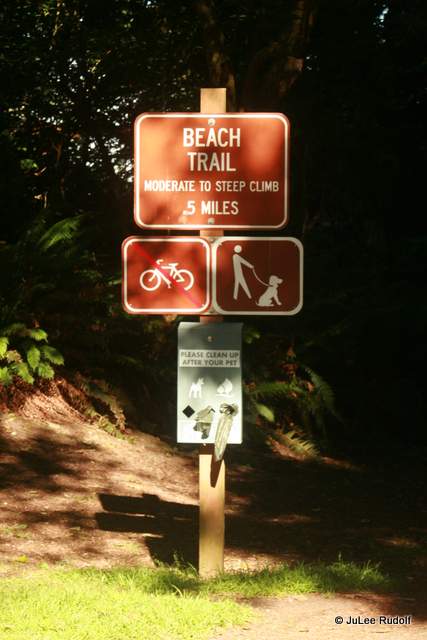
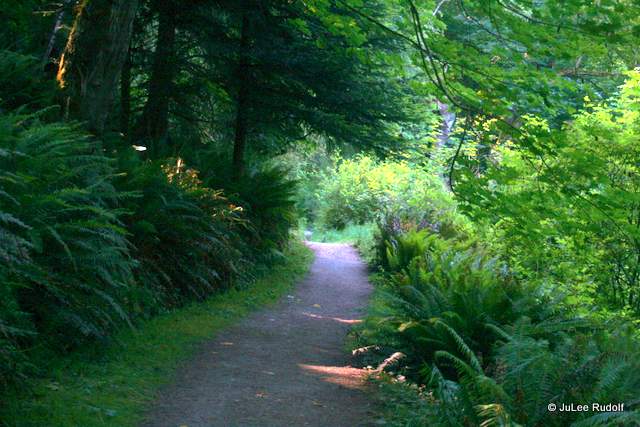
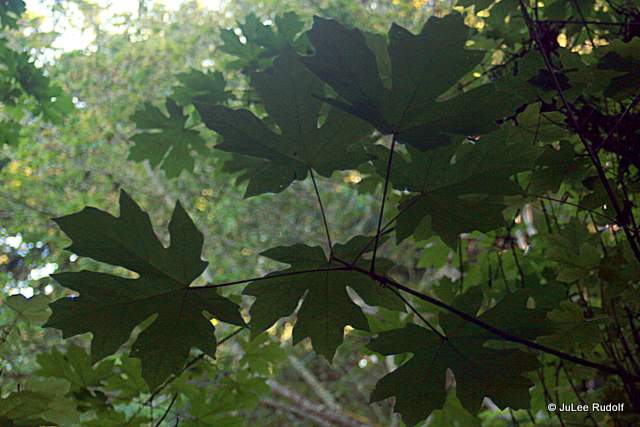
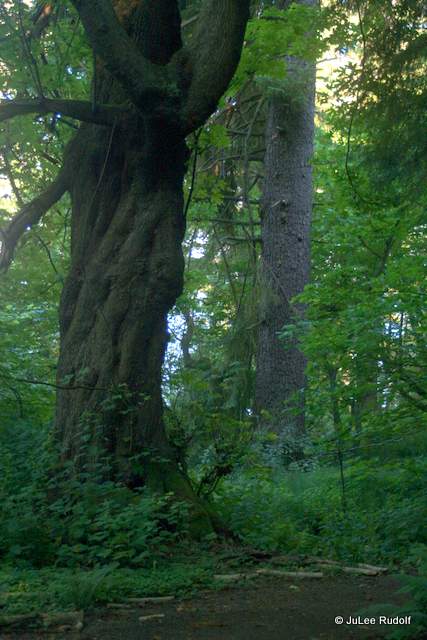
South Whidbey State Park Beach Trail signBeach trail at South Whidbey State ParkThe first thing I noticed was the greenery. Sword ferns and maple trees lined the well-packed path. The sign said “moderate to steep  climb” but, except for the last bit before the beach, it was an easy hike. Although I didn’t see any birds, I heard them, including what I think were juncos.
Beach trail at South Whidbey State Park Maple tree leaves at South Whidbey State Park salmon berries at South Whidbey State Park

I’m used to seeing Doug firs, but here were more maples that I remembered seeing elsewhere.

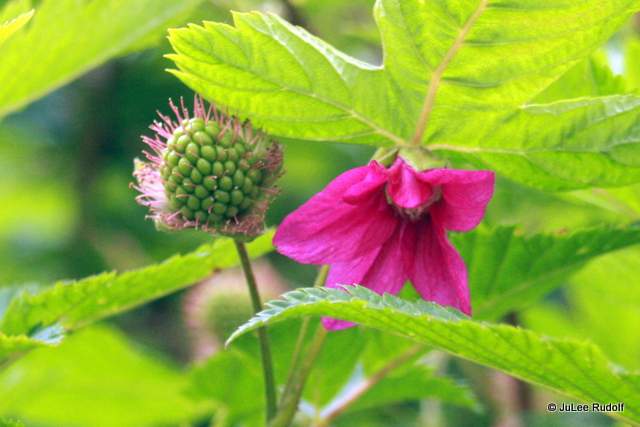
Salmonberries, which range from ruby red to yellow and everything in between were ripe for the birds and people like me who don’t mind their supposed insipidness.

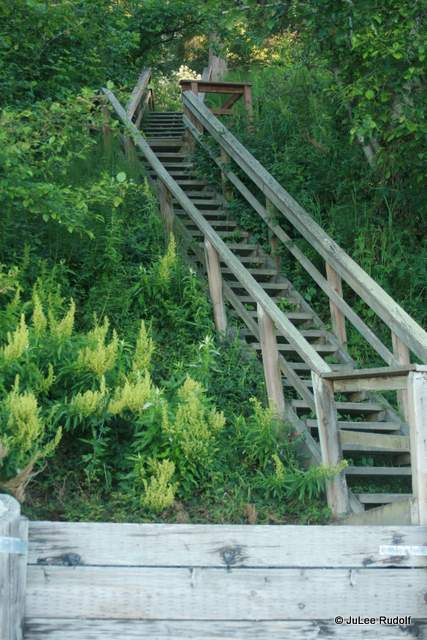
stairs to beach at South Whidbey State ParkTen minutes later, I exited a set of steep stairs that led to the beach. (This is looking back up.)
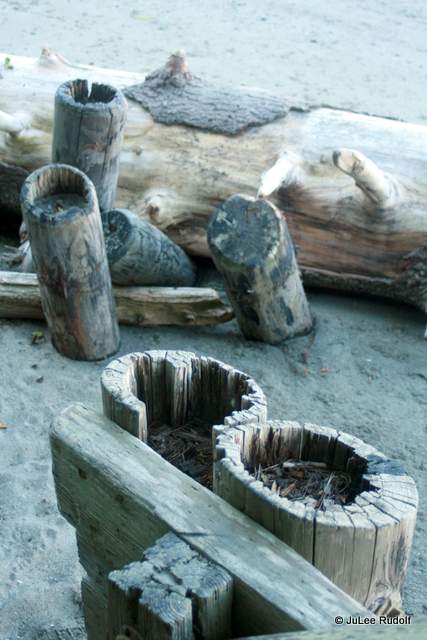
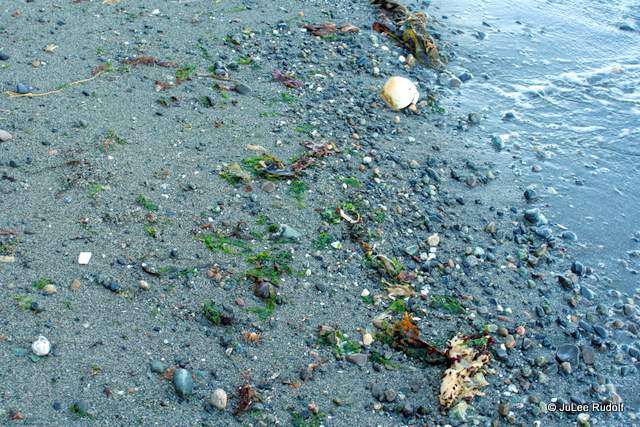
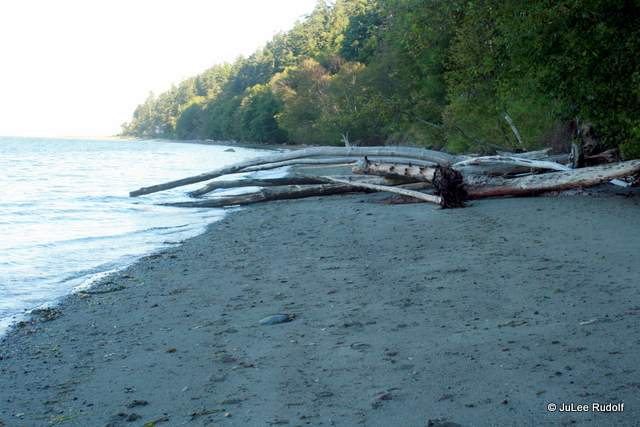
South Whidbey State Park beachSouth Whidbey State Park beachOnce there, I checked out the shoreline in hopes of finding some shells, but as is typical of a lot of beaches along Whidbey, I found mostly rocks and different species of seaweed.
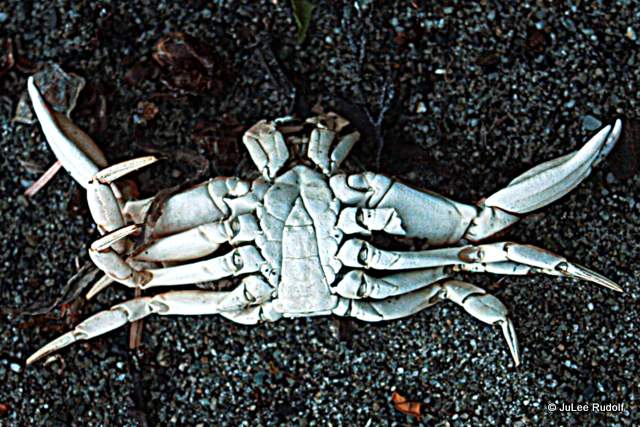
crab shell at South Whidbey State Park
South Whidbey State Park beach
South Whidbey State Park beachhillside at South Whidbey State Park beachTowards the south, I noticed the horsetails and other grasses growing along a sandy hillside.
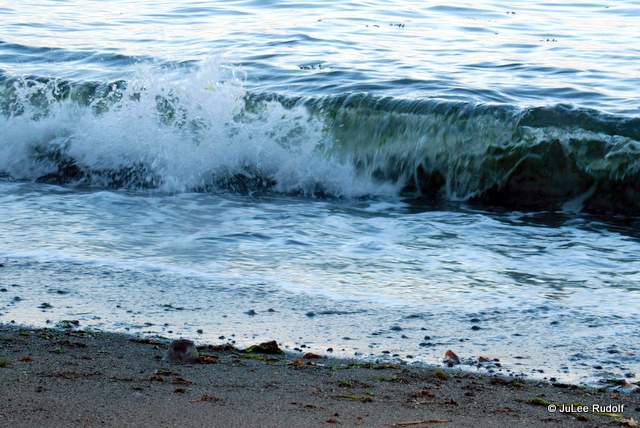
And driftwood.

South Whidbey State Park beach I experimented a little with my camera’s shutter speed while getting some shots of the water. For a short while, I was the only one there. At least I thought I was.
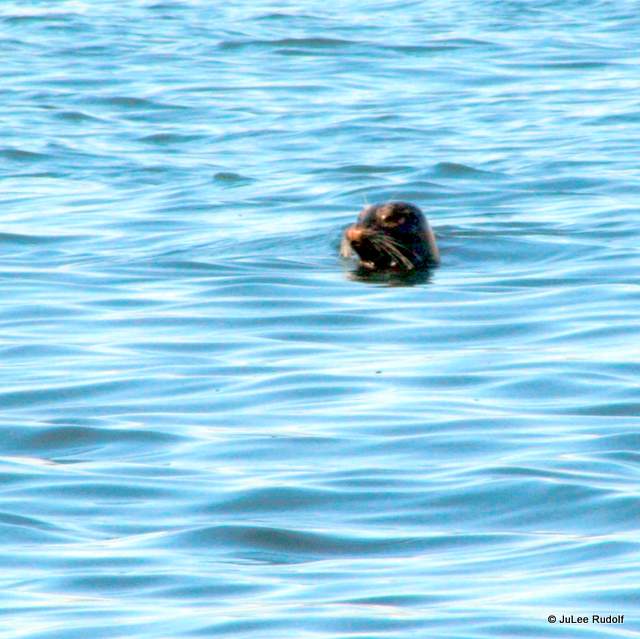
seal at South Whidbey State ParkIn fact, there was at least one seal swimming around in the water. Off in the distance, I noticed a Bald eagle, which is almost a daily occurrence around here.
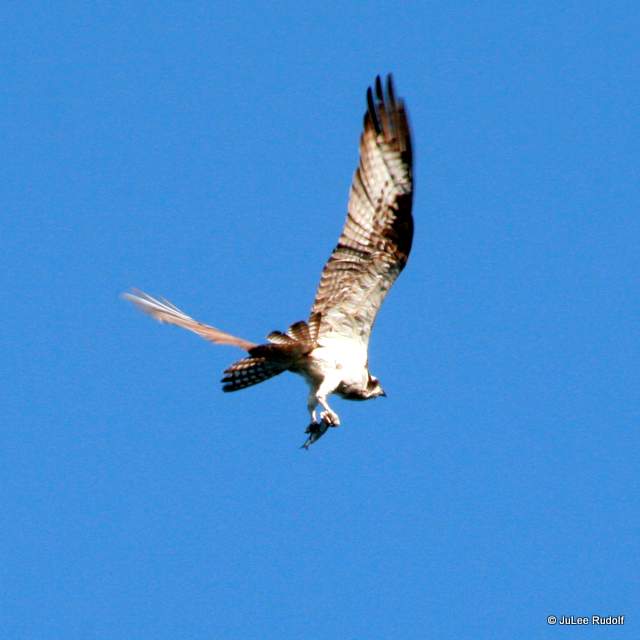
osprey with fish at South Whidbey State ParkThe bigger surprise was the osprey that showed up and then spent nearly ten minutes fishing, diving into the water multiple times before it finally grabbed one. I took a bunch of photos, but the whole telephoto-lens-with-bird-in-motion can be a little tricky. I ended up with just a few cool shots, among them, this one of the osprey flying off to its nest with a fish. Except for the family that arrived not long after the osprey, the beach was deserted. It was a peaceful place to spend some time in the morning before the crowds arrived.
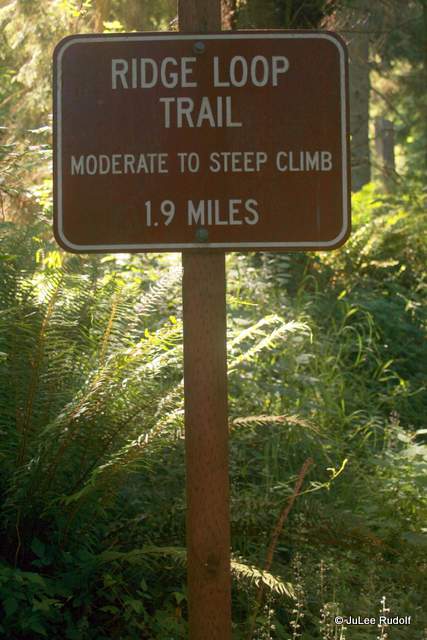
When the osprey left, so did I, returning to my vehicle which I drove to the entrance, then parked in a gravel lot.

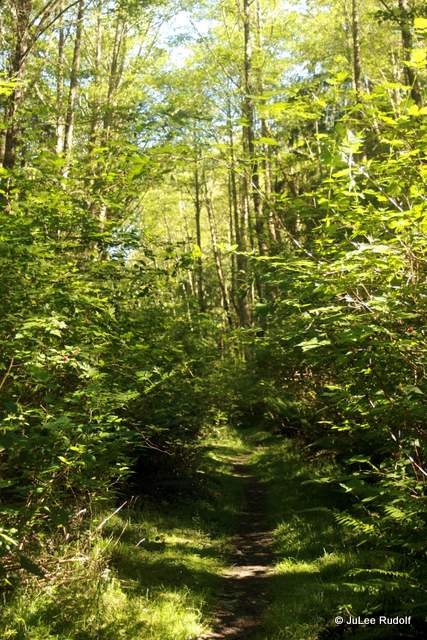
South Whidbey State ParkAcross the road, I found the Ridge Loop Trail head, shown on this map.South Whidbey State ParkHerb Robert at South Whidbey State ParkRidge Loop Trail at South Whidbey State Park Again, based on the wording on the sign, it sounded hard, but was actually an easy hike.
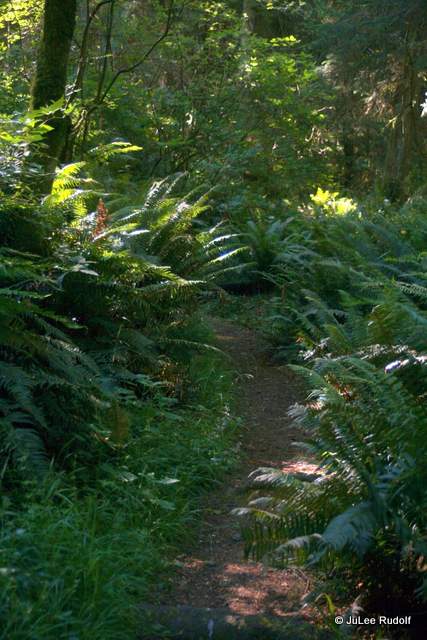
The first part of the trail was a little narrow with sword ferns growing tight up against it, but soon it straightened out and continued in a nearly straight path.

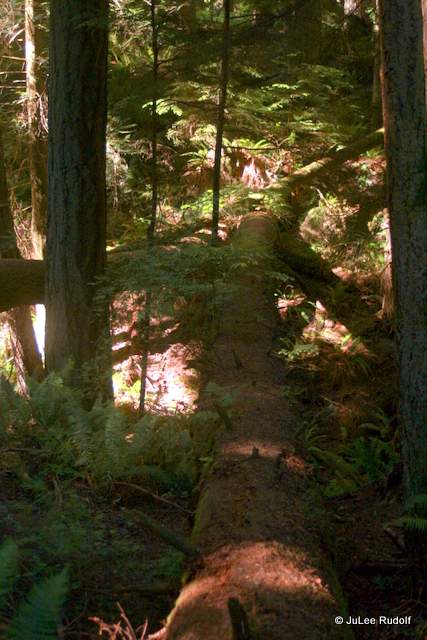
The grass and ferns became ferns and trees. At one point I noticed several fallen logs that extended across a dip to a bank on the opposite side.

Ridge Loop Trail at South Whidbey State ParkI resisted the urge to try to cross without falling and continued along the trail.
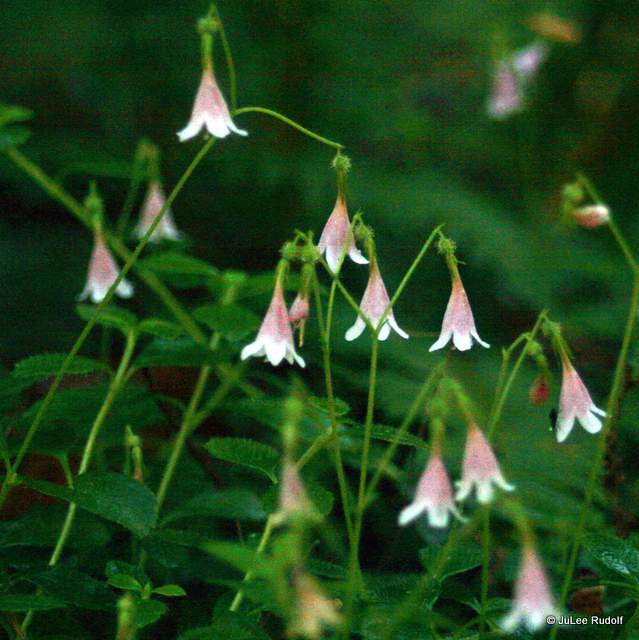
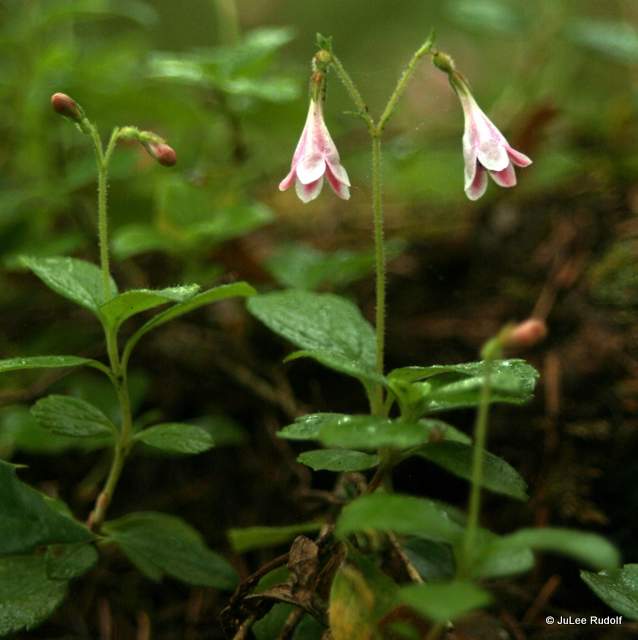
South Whidbey State Parktwinflower at South Whidbey State ParkSince I’d recently learned about the Twinflower, actually a shrub, and am a little obsessed with them, I stopped to take photos of a patch of the plants. According to the USDA site, “Linnaea borealis was reported to be Linnaeus favorite plant, and was named by his close friend and teacher Jan Frederik Gronovious in honor of Linnaeaus.”
The next section of the trail was lined with salmonberry bushes, so I stopped to eat some (my preference being the yellow ones). Although they’re a bit bland, I don’t mind them, nor do the birds. While walking, I heard the calls of the Varied thrush and Spotted towhee.

buttercups at South Whidbey State Park
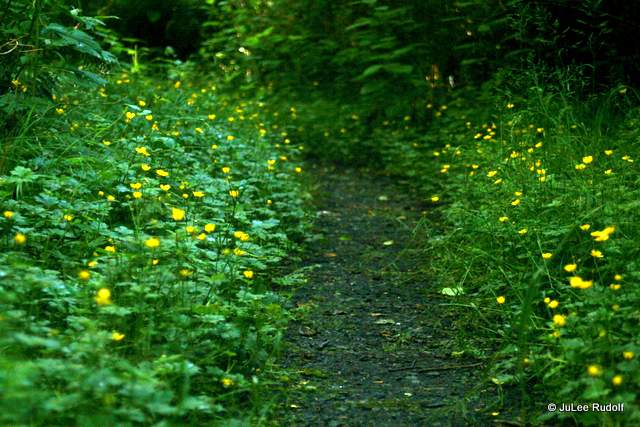
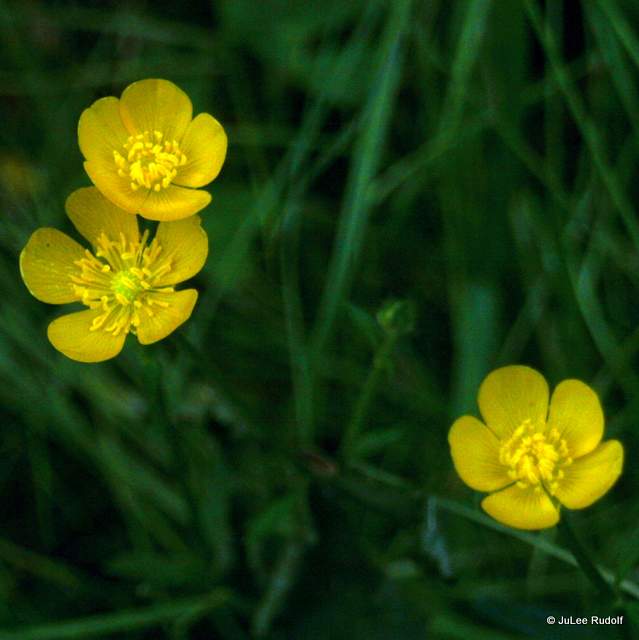
Further along, buttercups grew along both sides of the path.
I scrunched down to get a rabbit’s eye view of the trail.buttercups at South Whidbey State Park

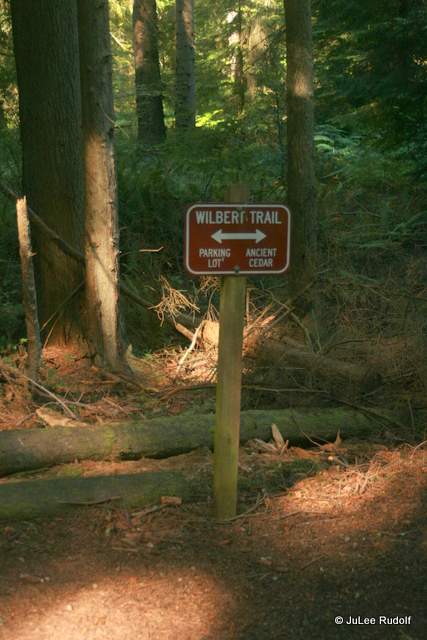
South Whidbey State Park sword ferns and skunk cabbage at South Whidbey State ParkI had already decided to take the detour off-loop to see the Ancient Cedar. So, when I noticed the signs, I followed them, hoping I wouldn’t get lost.
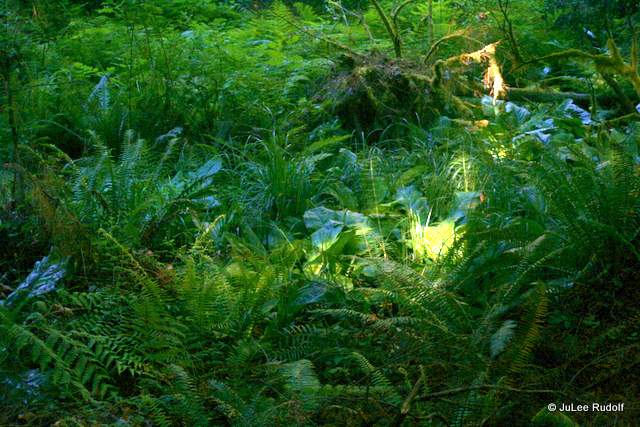
I noticed the smell of the skunk cabbage plants before I saw them, the ones with the large leaves surrounded in this area by sword ferns.

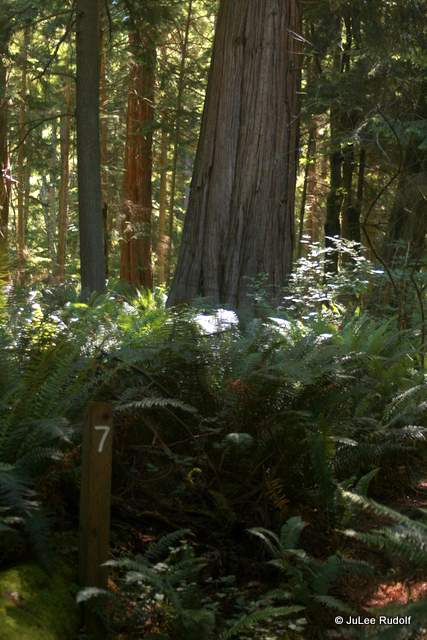
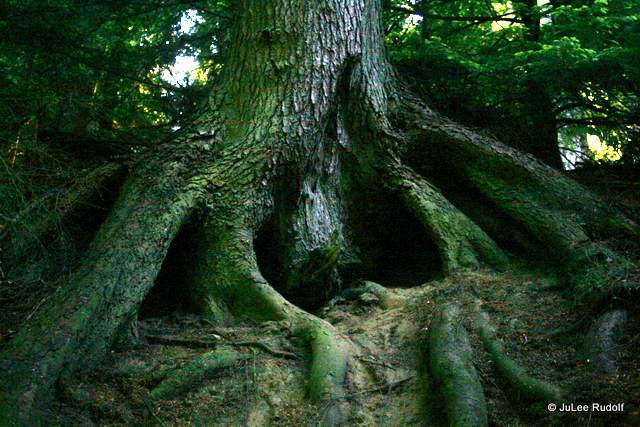
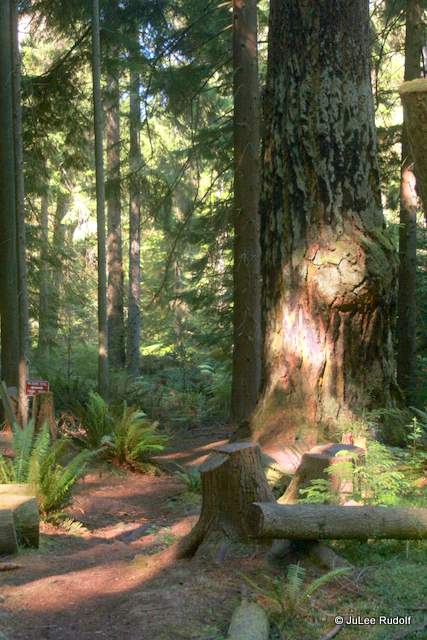
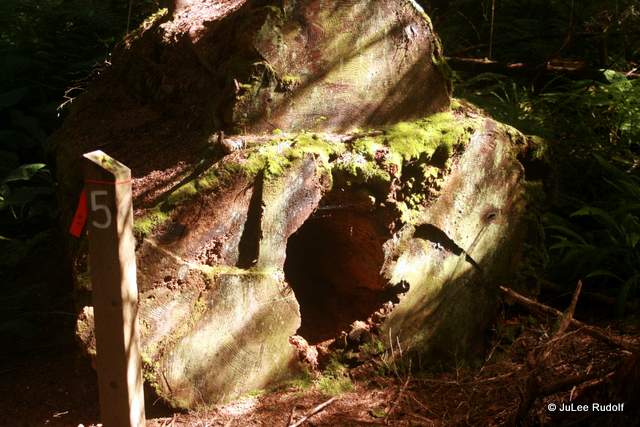
South Whidbey State ParkDouglas Fir tree with root rot at South Whidbey State ParkNumbered stakes mark cedar trees of interest. The one on the left is is not one of the famous Cedar trees, but I couldn’t resist stopping to photograph its neat roots.The one on the right in this shot is a Douglas Fir that appears to be suffering from root rot. I didn’t stop at every marker, but did at a few, numbers 5, 7 on my way to the special tree.Number 5 Cedar at South Whidbey State ParkSouth Whidbey State ParkFinally, I found the Ancient Cedar, a tree that has been around for 500 years, which means it was just a youngster around the time Michelangelo completed work on the Sistine Chapel 9000 miles away, which I only know because I looked it up. I am, after all, geographically challenged.
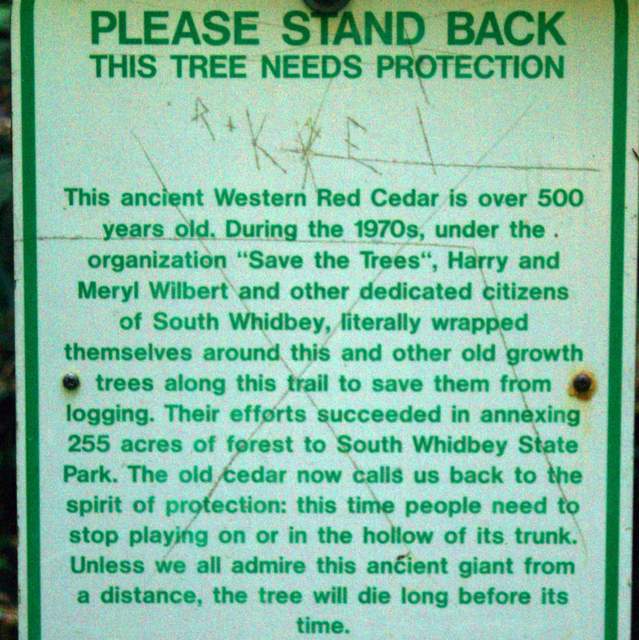
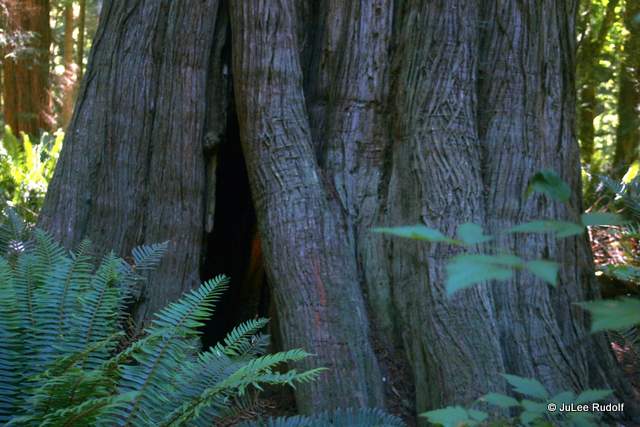
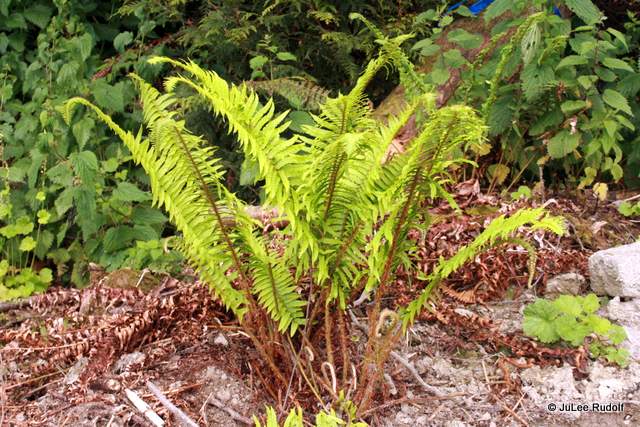
South Whidbey State ParkAncient Cedar at South Whidbey State ParkAncient Cedar at South Whidbey State Parkferns at South Whidbey State ParkI admired these ferns with fresh fronds that initially grew straight up towards the sky before ending up at at angle as I reached the start of the detour, returned to my vehicle (0.4 miles) and headed home. I checked my watch and noted that the Ancient Cedar encounter detour cost me about 0.7 miles but was well worth it. The entire hike was a mere 2.4 miles with about 400 feet of climb. I think it would also make for a scenic, easy trail run.SWSP
Red Devil Challenge 25K Trail Run

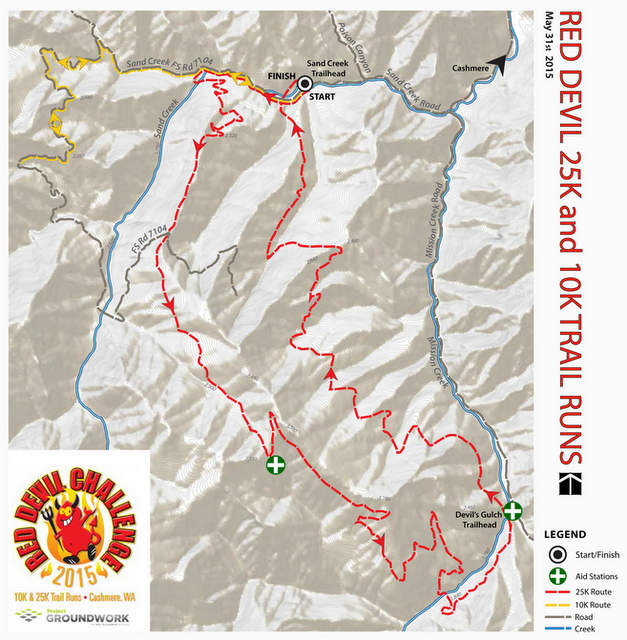
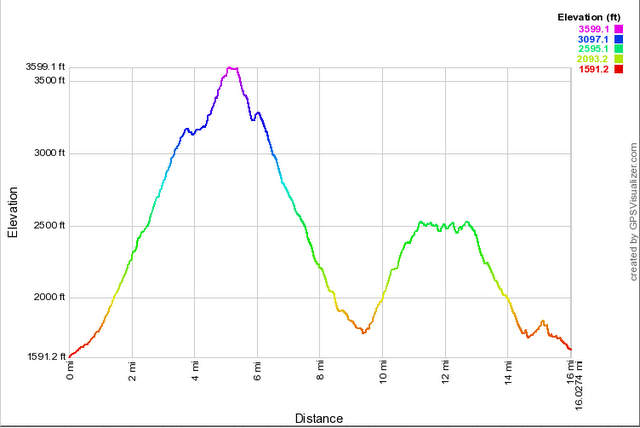
A few months ago, my cousin Steve suggested we run a marathon. I’d been burned by stuff like this before, the event suggester talking me into it, then backing out. Plus, I’d already been there, done that (marathon), so I tried to find something different that might work and did: the Red Devil Challenge 25K Trail Run, held on the 31st of May in my home town of Cashmere. There was just one problem, the course climbs over 3,000 feet within the 15.5 mile distance. The official race site includes a topo map of the course.

Red Devil Trail Run flyer

The only other trail race I’d completed was the 2014 Deception Pass Half, which turned out to be only 11.7 miles. For this race, I trained on trails in the Anacortes Forest Lands and Deception Pass State Park, which are pretty hilly, but you’d have to summit Goose Rock a number of times to get that kind of climb. Days before the race, I emailed the race director to request a race profile. He sent back his Garmin output from a past year, which showed the altitude gain–really 3,000 feet–but a total of only 14.4 miles.

I headed over on Friday night for the Sunday morning race. The drive from Whidbey Island to the Wenatchee Valley via Highway 2 takes 3.5 hours, but is so scenic that you can’t complain. I picked up my race number and that of my friend, who was to arrive later, at the Pybus Market Saturday evening, then hung out with nearly a dozen family members while trying not to think too hard about what I’d signed up to do the next day. When we learned that they’d moved up the start time by one hour due to the heat, I got nervous.

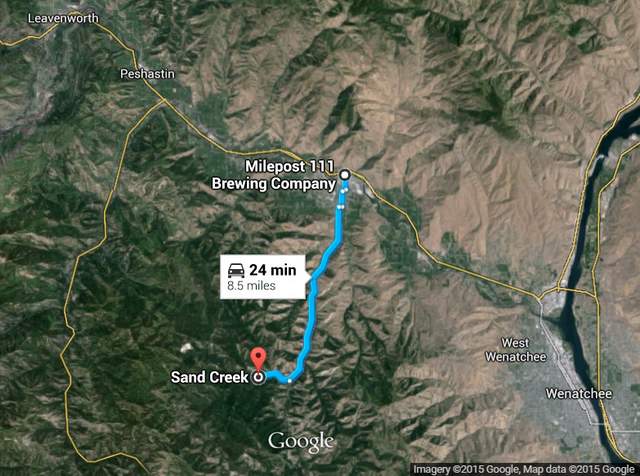
On race morning, we drove from East Wenatchee to Cashmere, crossed the river, parked at Riverside Center, and walked back to Milepost 111 where the buses awaited. The restaurant owner allowed everyone to congregate outside her establishment and use the restrooms before the race. We would be bused back afterwards.

Entering the area where the already arrived runners loitered, I felt conspicuously out of place with my florescent green Ragnar shirt, race number already attached. This was the town where I’d spent four years, from spring of my 8th grade year through high school, and I remember the locals being a little friendlier. My friend Erin and I rode to the start with a couple dozen others on an old, rickety, once-white school bus while a short haired mid-sized brown dog walked up and down the aisle. En route, we passed several familiar landmarks and roads on which I’d run when I was young. It seemed strange to be returning to my hometown to run a race that started not far from my old house.

Route to Red Devil Trail Run in Cashmere

Near the trail head, we passed what looked a lot like a homeless encampment. Abandoned vehicles and other junk littered the roadsides. Finally, nearly nine miles later, we reached the trail area, filled with 4WD vehicles, tents, runners and a lot of dust. Everyone else seemed to know each other, so while they all stood around hugging, chatting and reminiscing about past races, Erin and I waited in line for the restrooms and tried not to worry about the abundance of camelbaks and water bottles other runners had that we didn’t, only because we’d never done so before. Race day is not the time to try something new and potentially annoying.

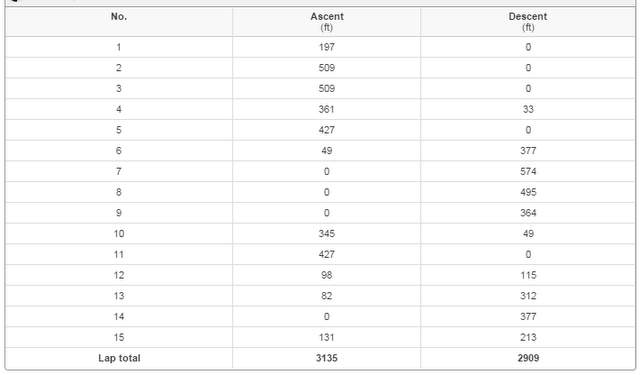
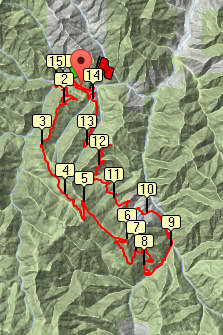
At about ten to 8:00 am, Joel Rhymer, the race director, guided us, a group of nearly 70 runners, over a bridge and along a gravel road to the start. At his signal, we took off in the direction from which we’d just walked and continued along a gravel road for about a mile. We also carefully made our way across two small waterways. Then the fun began. The next 3.5 miles had us on a steady climb (500 feet of it each for miles two and three) up single track that would lead us to the first water stop, at mile 4.6, where the race director had suggested to just, “wet your mouth” because volunteers from a search and rescue group who were manning the station had transported most of the water on horseback. I’ve never been so happy to see a horse. I drank two little Dixie cups of water and regretted my decision not to carry any, but knew that we were almost at the first (and worst) summit and I’d have the chance to drink all I wanted at about mile nine. Wildflowers and shrubs growing along the sides provided color, some in bloom, like Lyalli’s mariposa (a white petaled plant I’d not seen before), Barestem biscuitroot (looked like Spring gold to me), a single Naked broomrape flower and Nootka rose (pretty, but thorny), while others withered away like the Arrowleaf balsamroot and the Tiger lily. At the summit, my GPS watch showed 5 miles on the dot. The next stretch was a steep downhill section with loose rocks requiring caution. I caught up with and ran behind two nice gals for a couple of miles. Mile 7 had us dodging puddles. I slid into one and soaked my shoe, which became a problem later. Those three miles, all descending, were the best of the race. We’d heard that the water stop at mile 9 was off the trail, and it was. Runners skipped the turn that led up and and followed a path to a well-manned, well-stocked aid stop at the Devil’s Gulch trail head.

Red Devil Trail Run Ascent and Descent by mile

I drank several tiny Dixie cups of Gatorade and decided against filling my water bottle, thinking of that 14.4 mile total I thought we’d be running, I had only 5.4 miles to go. Miles 10 and 11 were tough and mostly uphill. I knew there was a second smaller summit, so tried to pay attention to the scenery, but it seemed that I’d never get to mile 12, which included as much ascent as descent and felt like mini rolling hills even though it really wasn’t. I was just tired. There were some beautiful quiet places along the trail and I tried to enjoy a short cool section, especially once I could hear the sound of water flowing along the creek below the trail. I kept not quite catching up to a couple of runners in front of me.

Red Devil Trail Run profile

Mile 13 was tough because we were still running up but I finally got some help from gravity along Mile 14, though it didn’t feel that way. I caught up to the couple in front of me and the guy said we had about a mile to go. By this time, I felt awful. My wet shoe had formed a blister on my heal that felt like sandpaper during the never-ending uphill sections. And although we could hear the spectators at the finish and assumed we were near the end, we weren’t. We still had nearly two miles to go! And just when it seemed we had to be done, signs directed us to go…this can’t be right…UP. Even the volunteer felt bad for us, she apologized after directing to go “up the hill.” We went up, which didn’t seem fair. Finally, we returned to the road we’d run near the start. Instead of carefully making my way across a creek (or twice across the same creek), I ran right through the water. Getting my feet wet never felt so good. At what felt like a million miles later, I finally reached the finish line. My watch read 15.75 miles. The longest 15.75 miles of my life. Although I will never, ever, EVER do that again…I’m up for running the 10K next year.

Red Devil Trail Run 25K course

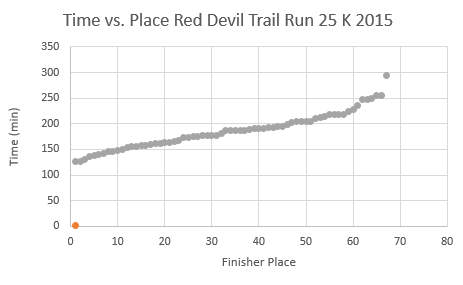
Looking at the race results, I was disappointed that I hadn’t done better compared to the other participants (finishing about six minutes slower than the average of all finishers), but consoled myself with the fact that, to start with, you had to be a little bit crazy to run a race like this, an event that I highly recommend.Red Devil Trail Run race results place versus time

“Running won’t kill you; you’ll pass out first.”

Wild About the Islands’ Flowers

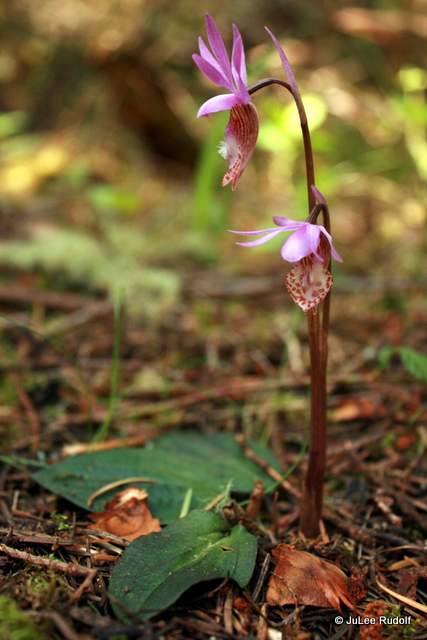
Two years ago, I came upon a plant while doing what else, running, on the Lighthouse Point trail in Deception Pass State Park. I had never seen the flower before but suspected it was an orchid. I was right. It was a Calypso bulbosa, common name: Fairy slipper orchid. From that day forward, this plant has captivated me.

Calypso bulbosa
Calypso bulbosa

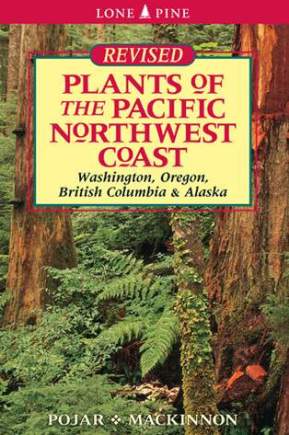
Plants of the Pacific Northwest CoastNot only did I watch for it, sometimes I’d return to places we’d seen the flowers while trail running to admire and photograph them. I checked out the most informative book you can possibly imagine about local flowers, one I’d borrowed several times before and since bought: Plants of the Pacific Northwest Coast.
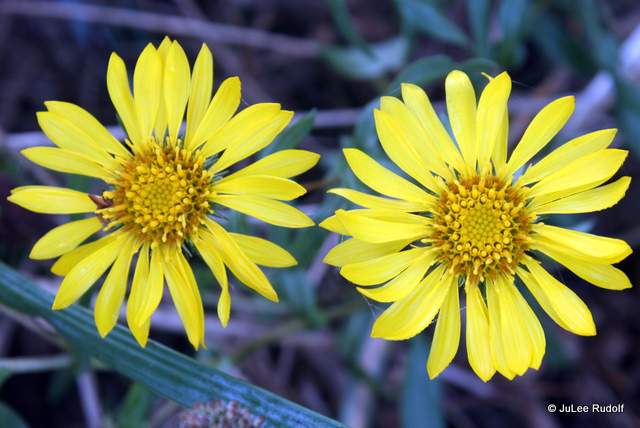
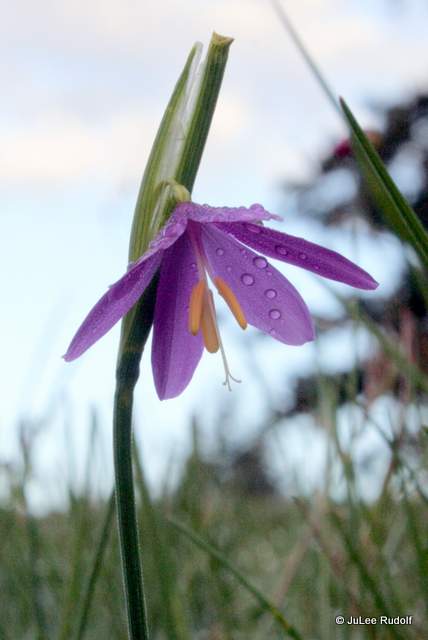
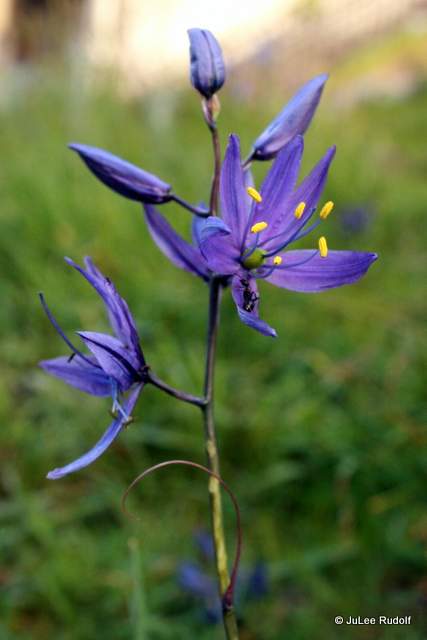
From it and online sources, I learned that is has only one leaf for photosynthesis, and that “although widespread, is rapidly being exterminated in populated areas due to trampling and especially picking. The corms [bulb-like below ground stems] are attached by means of delicate roots that are easily broken even by the slightest tug on the stem. Hence, when the flower is picked, the plant usually dies.” When the orchids disappeared later that spring, I missed them and looked forward to their return. During the past two years, my obsession with this plant has diminished…slightly, to be replaced by a focus on photographing local species of wildflowers. This March, a week after noticing the first Fairy slipper of the year, I finally read a book that had been collecting dust on my book shelf: The Orchid Thief, about an odd man who became obsessed with the plants. I liked the story but its value to me was to provide perspective. My focus on flowers was nothing like this guy’s. I was relieved, though still spent hours during the better part of the past ten weeks visiting wildflower hot spots on Whidbey and Fidalgo Islands, like: Deception Pass State Park,

along the Lighthouse Point trail,

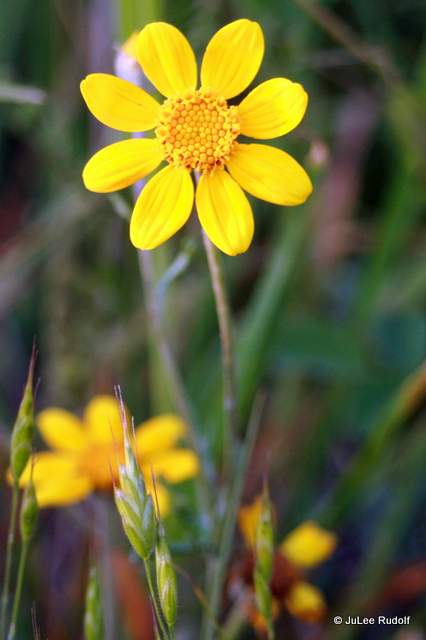
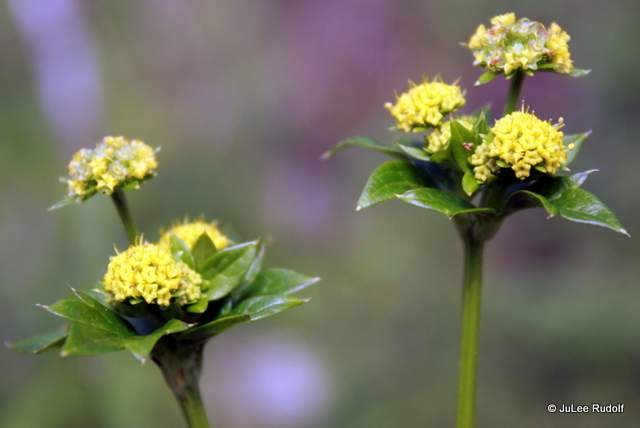
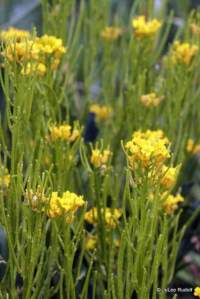
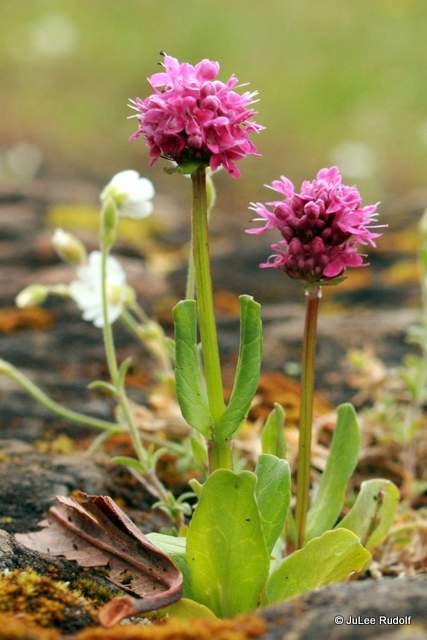
Grindelia integrifolia
Sisyrinchium
Sisyrinchium

near the bridge,

Camassia quamash
Camassia quamash

Goose Rock summit trails,

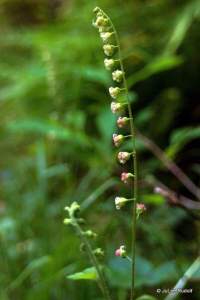
Mitella pentandra
Mitella pentandra
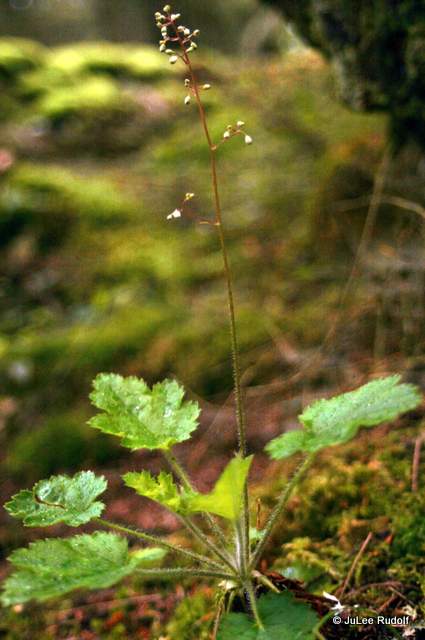
Heuchera micrantha
Heuchera micrantha
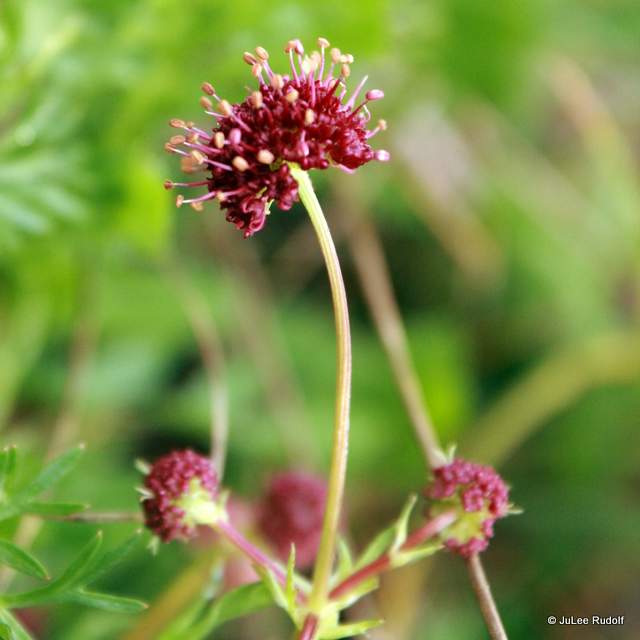
Sanguisorba officinalis
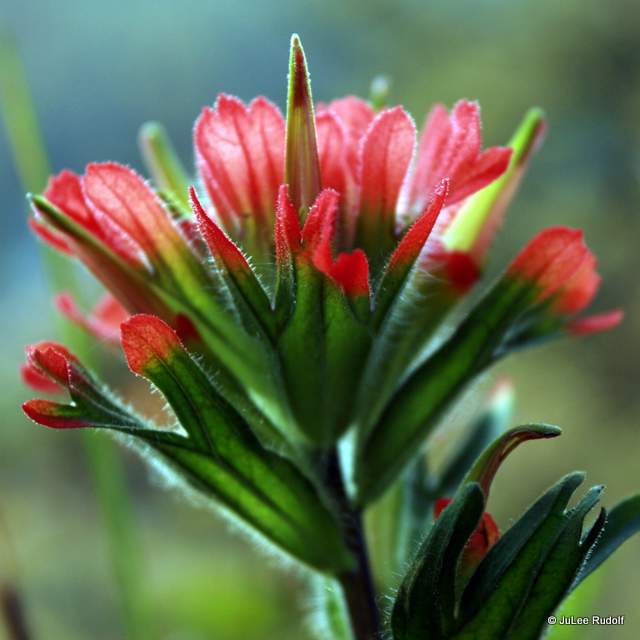
Castilleja miniata
Castilleja miniata
Collinsia parviflora
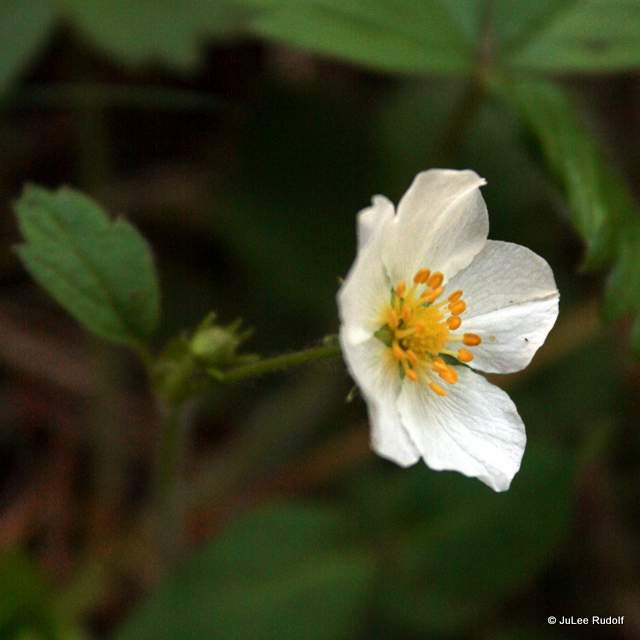
Fragaria chiloensis
Fragaria chiloensis
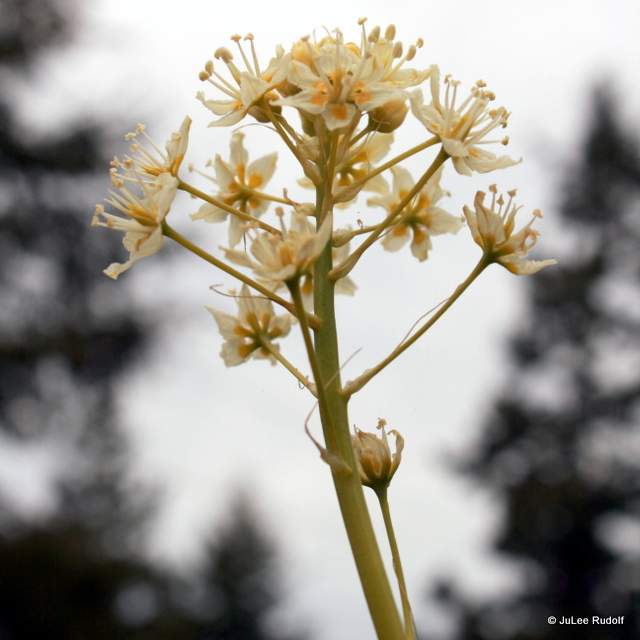
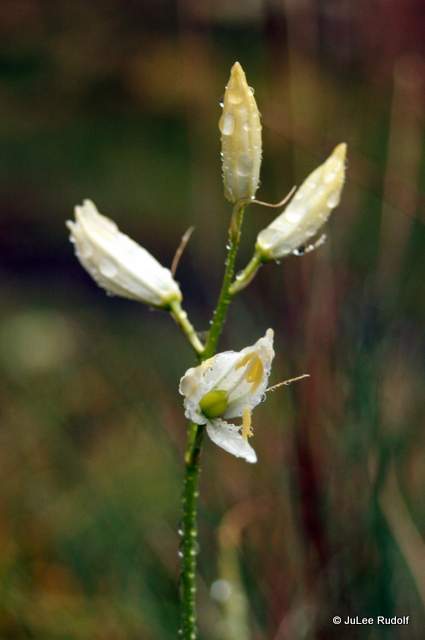
Zygadenus venenosus
Zygadenus venenosus

West Beach,

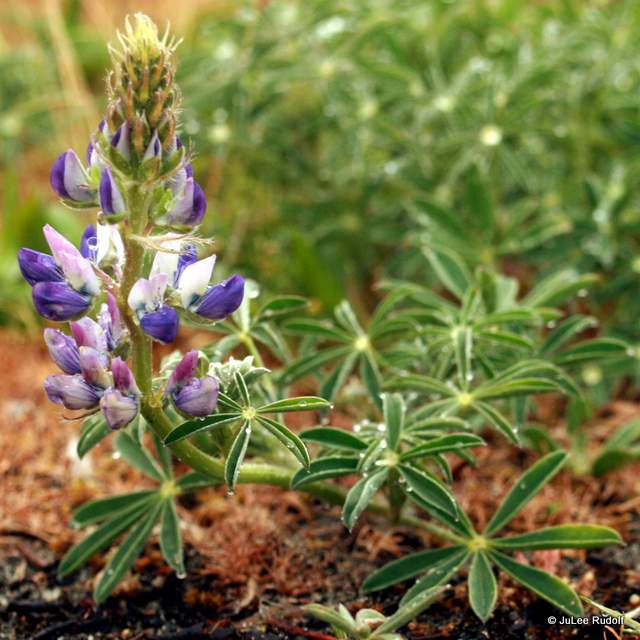
Lupinus arcticus
Lupinus arcticus
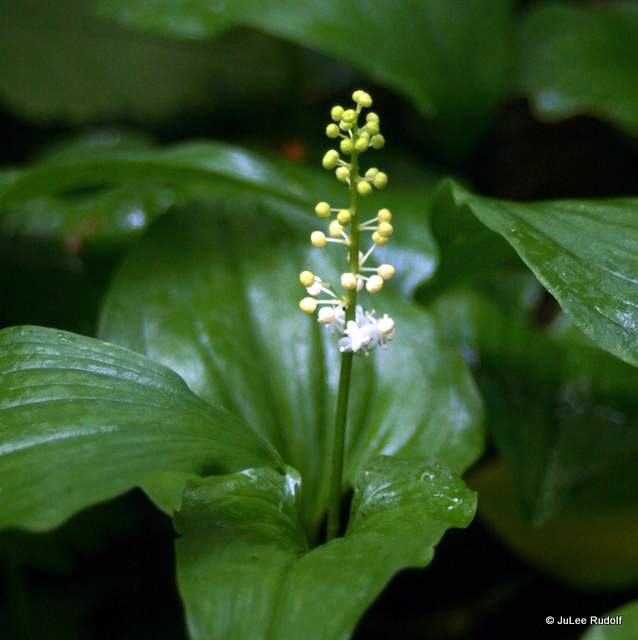
Maianthemum dilatatum
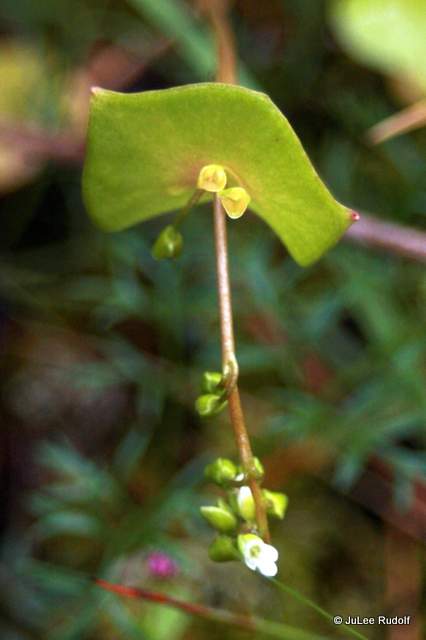
Claytonia perfoliata
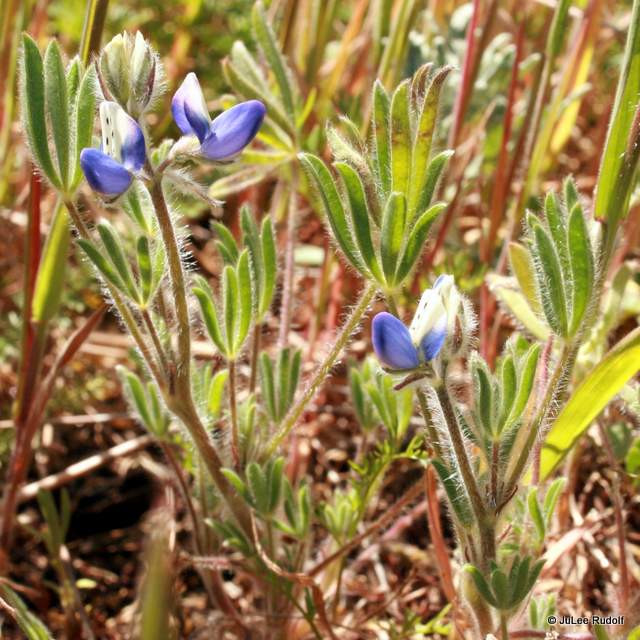
Lupinus polycarpus
Lupinus polycarpus
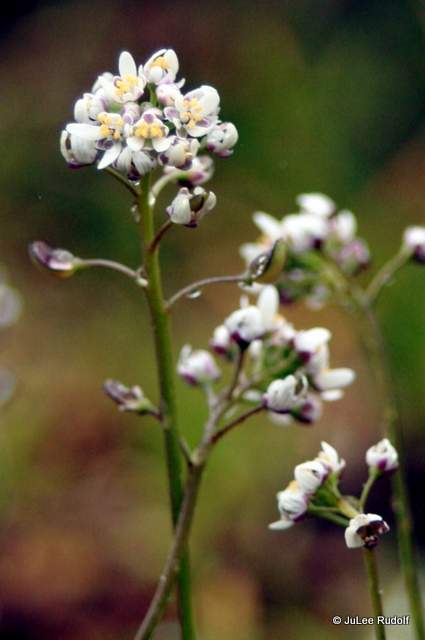
Thlaspi arvens
Thlaspi arvens

Rosario Head,

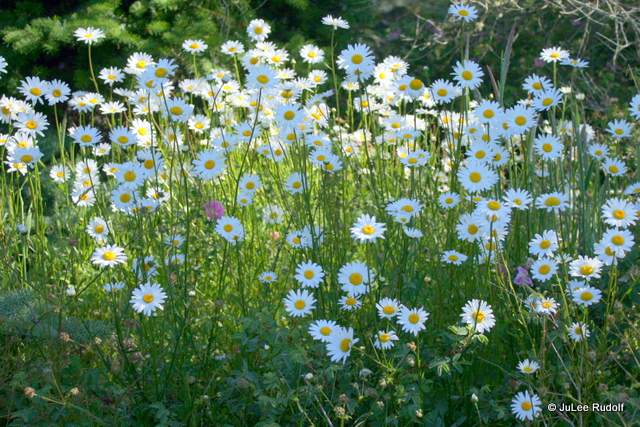
Leucanthemum vulgare
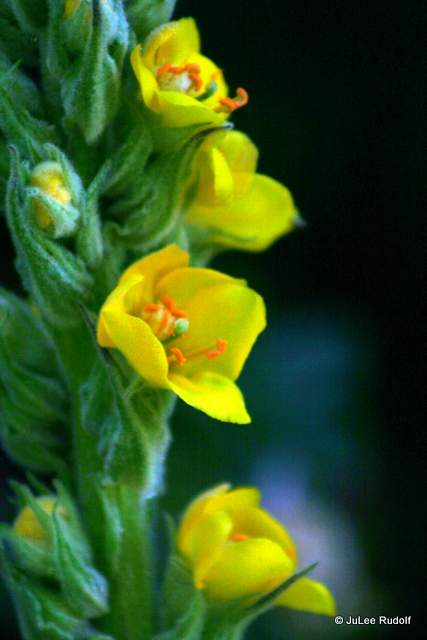
Verbascum thapsus
Verbascum thapsus
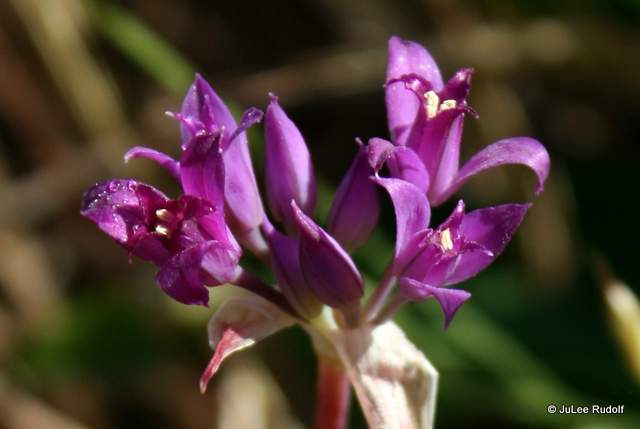
Allium acuminatum
Allium acuminatum

and Cornet Bay;

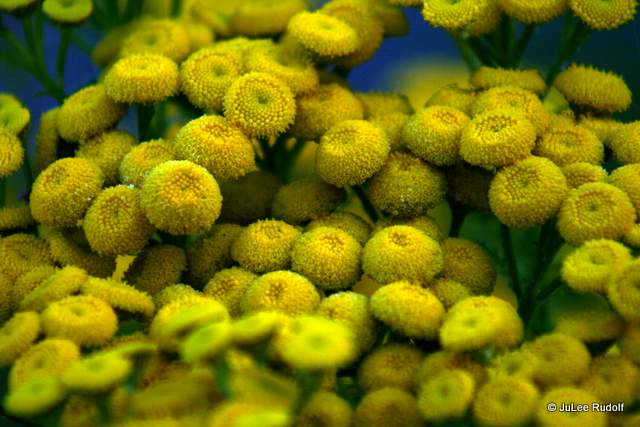
Tanacetum bipinnatum
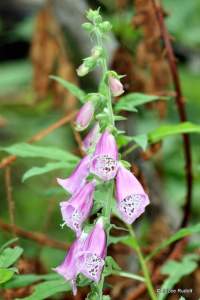
Digitalis purpurea
Digitalis purpurea
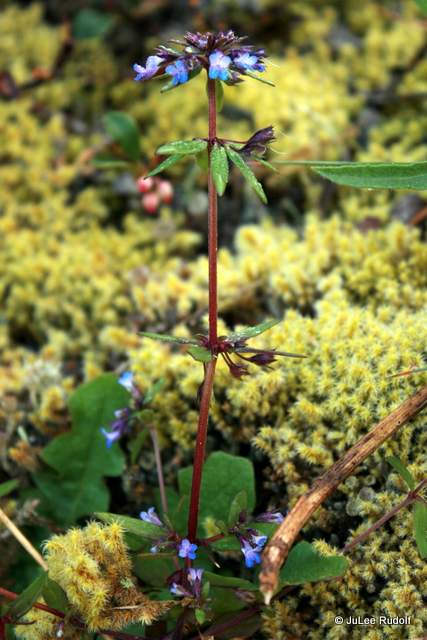
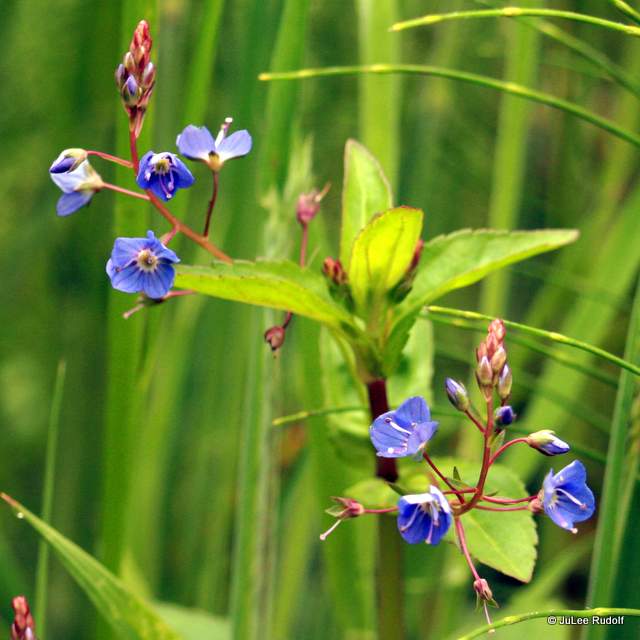
Veronica cusickii
Veronica cusickii
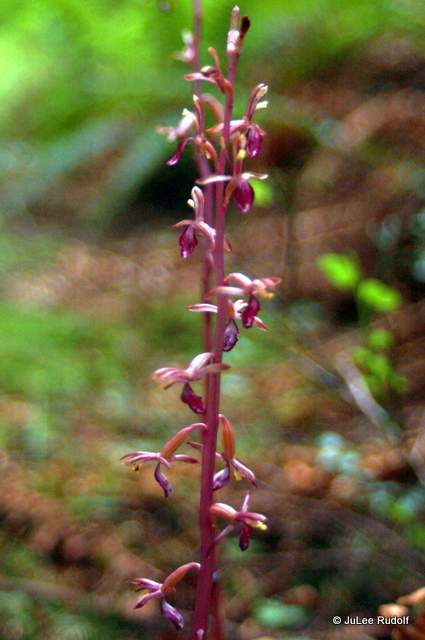
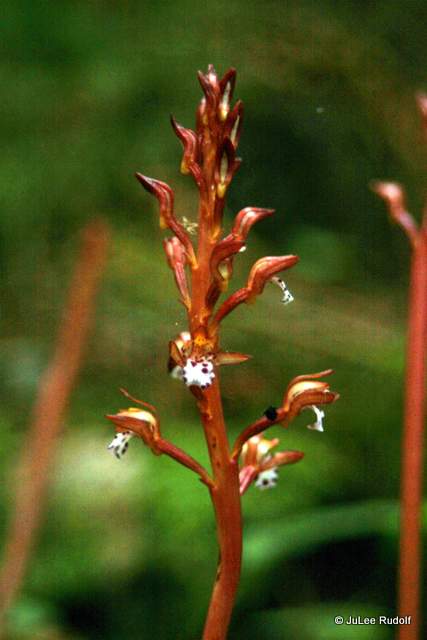
Corallorhiza maculata ssp mertensiana

as well as Dugualla Bay;

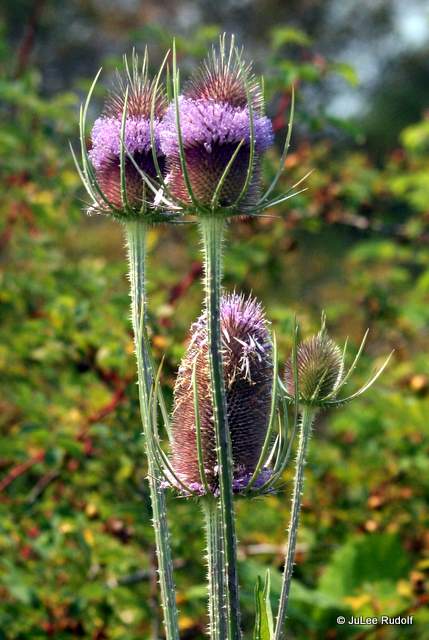
Dipsacus sylvestris
Dipsacus sylvestris
Hieracium albiflorum
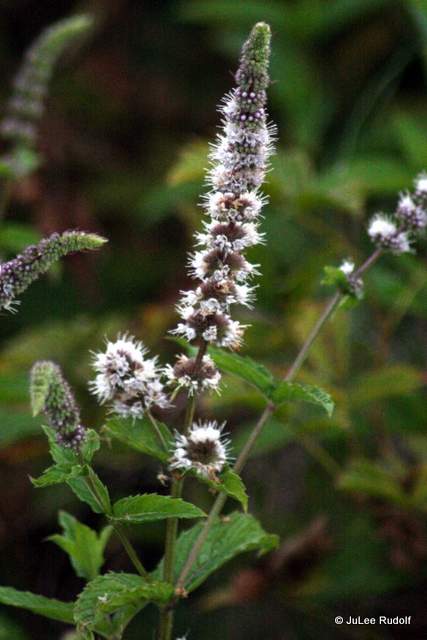
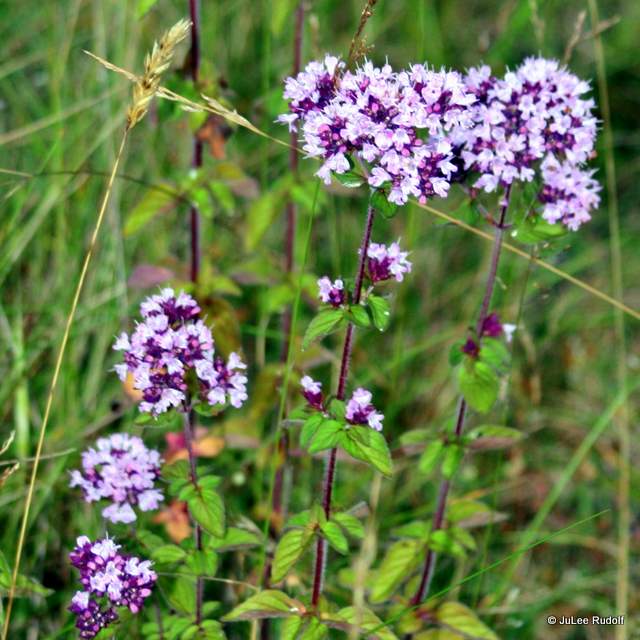
Mentha spicata
Mentha spicata
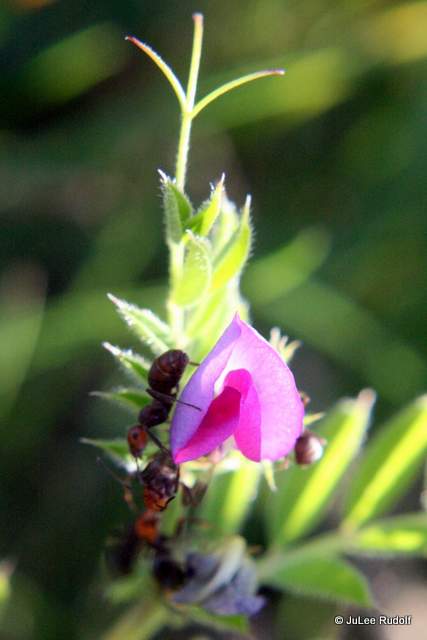
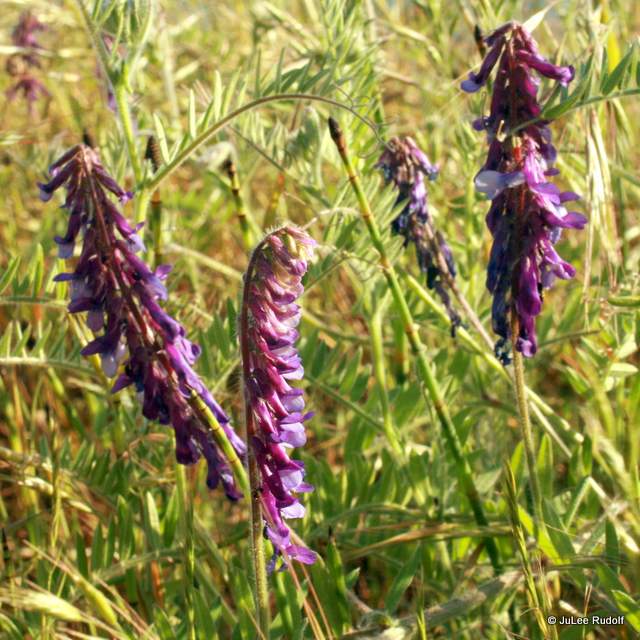
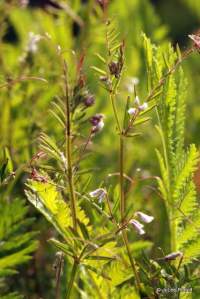
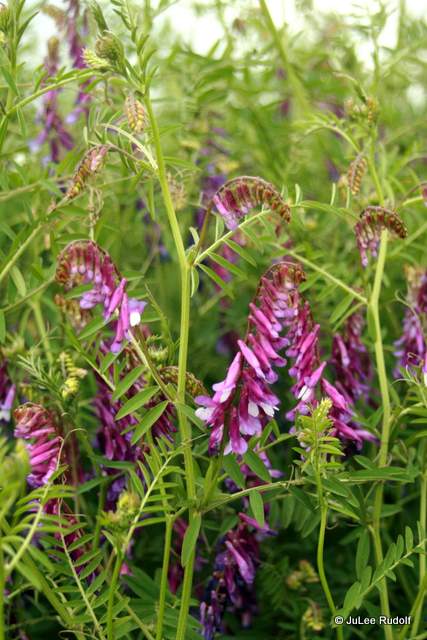
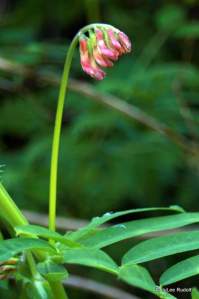
Vicia sativa
Vicia sativa
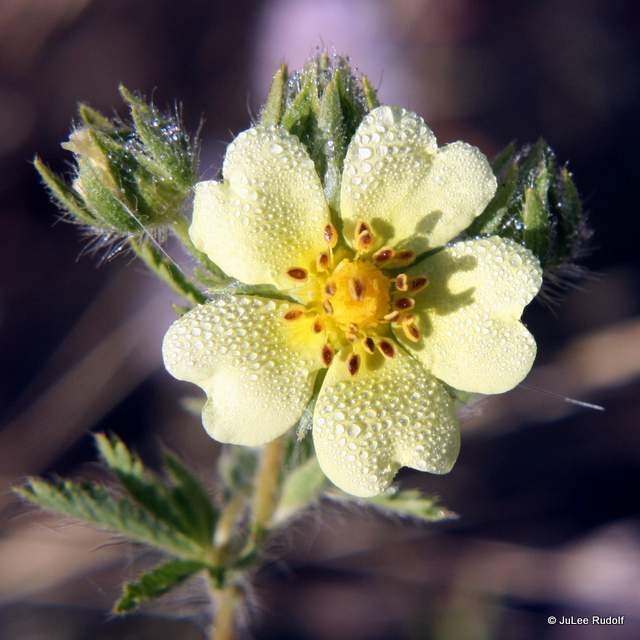
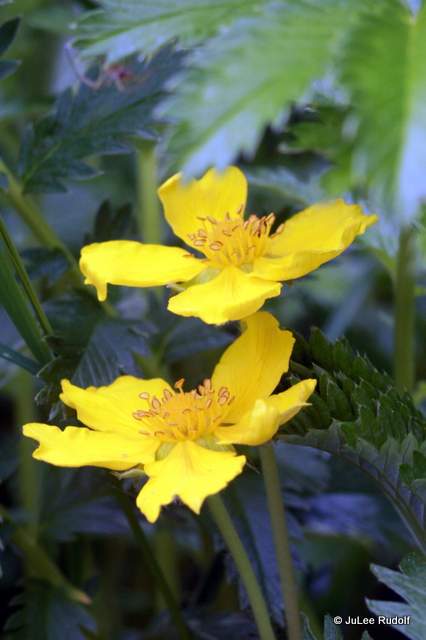
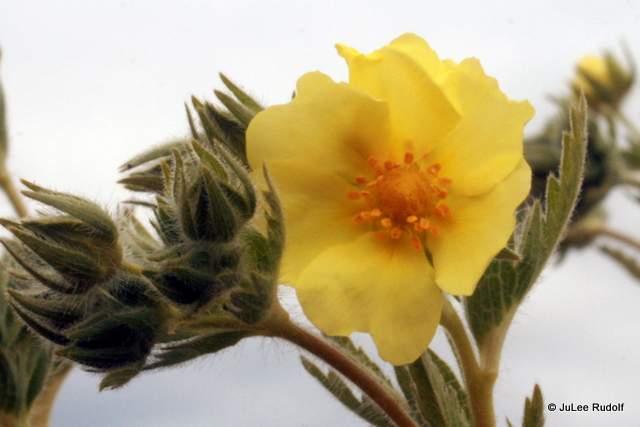
Potentilla recta
Potentilla recta
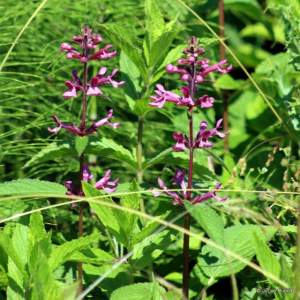
Stachys cooleyae
Stachys cooleyae
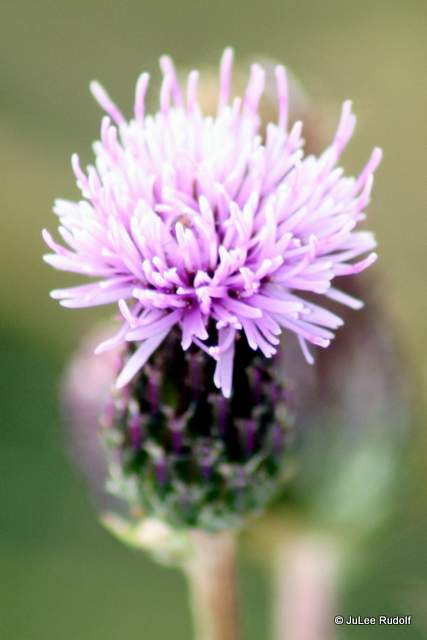
Cirsium arvense
Cirsium arvense
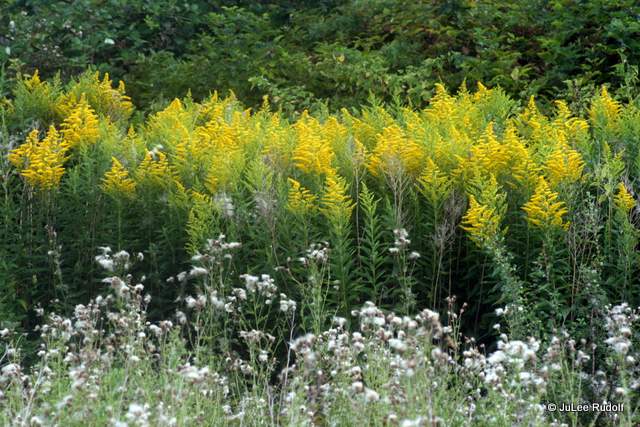
Solidago canadensis
Solidago canadensis
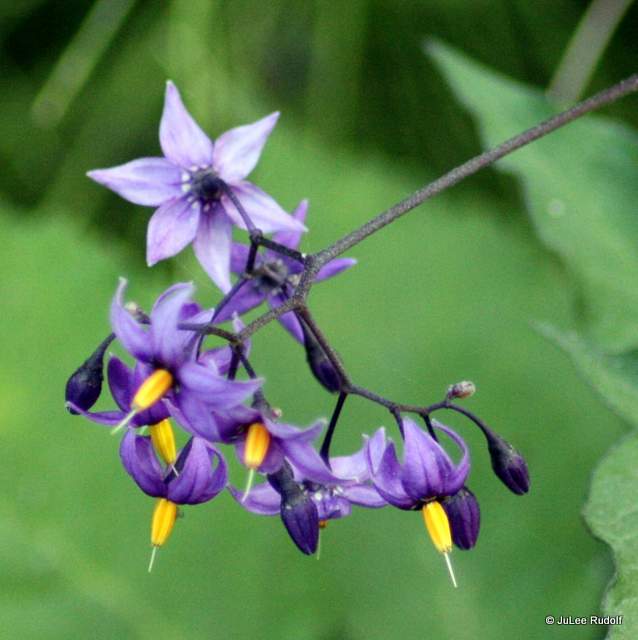
Solarum dulcularum
Solarum dulcularum
Spirea betulifolia?
Spirea betulifolia?
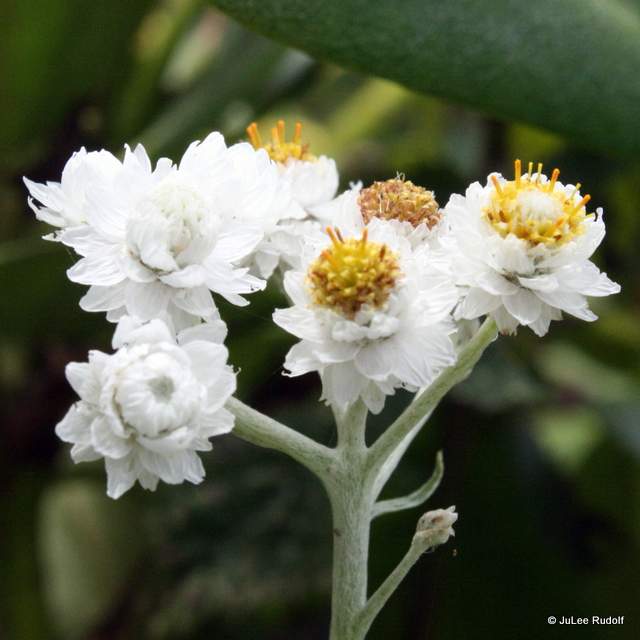
Anaphalis margaritacea

Maylor Point;

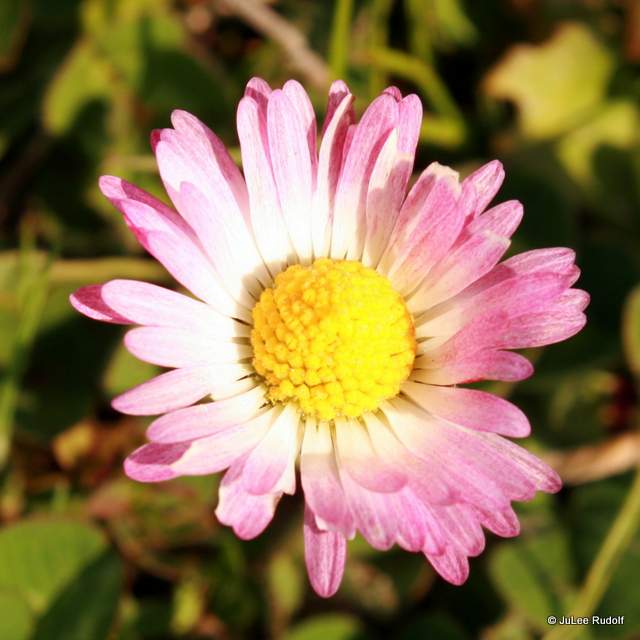
Bellis perennis
Bellis perennis

Crescent Harbor;

Argentina anserina ssp pacifica
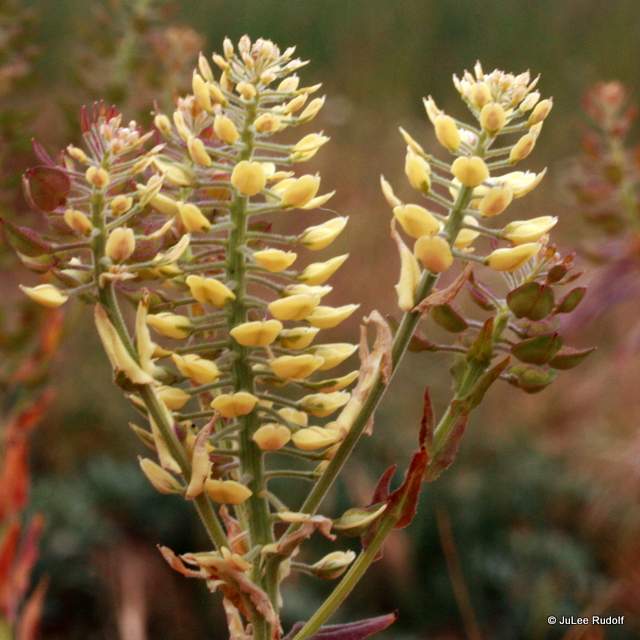
Lepidium densiflorum
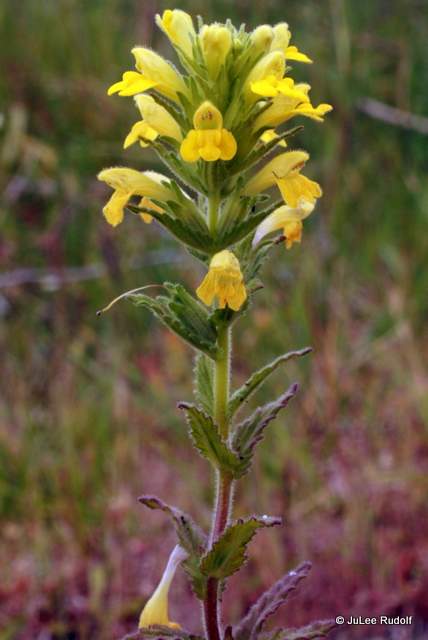
Parentucellia viscosa
Lupinus
Lupinus

Admiralty Inlet;

Vicia gigantea
Vicia gigantea
Urtica dioica
Urtica dioica

Ebey’s Reserve;

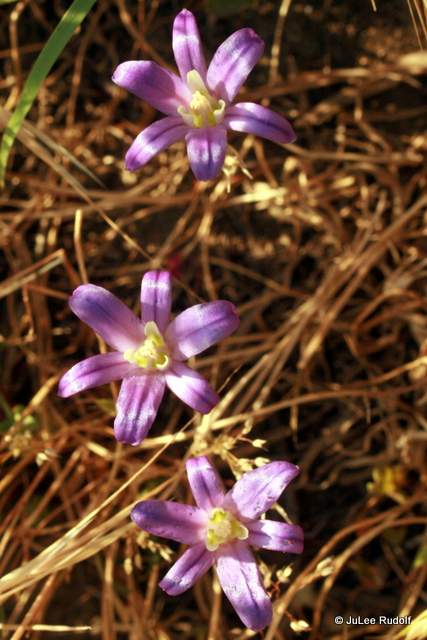
Brodiaea coronaria
Brodiaea coronaria
Ambrosia chamissonis
Abronia latifolia
Abronia latifolia
Lupinus arboreus
Lupinus arboreus
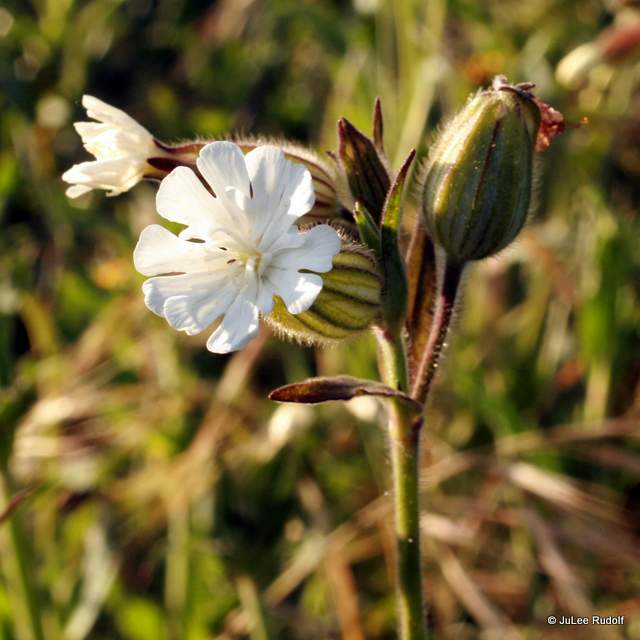
Silene vulgaris
Silene vulgaris
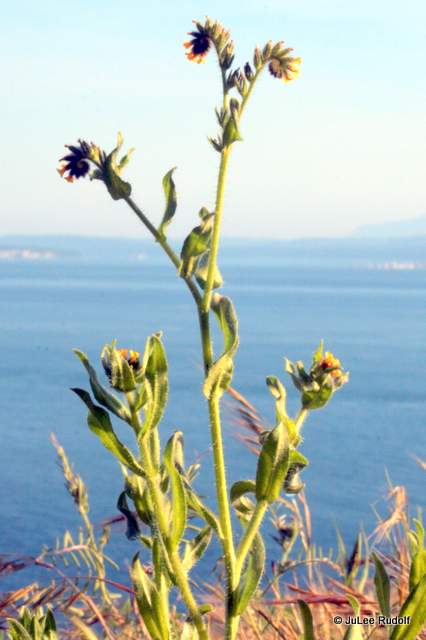
Amsinckia menziesii
Amsinckia menziesii
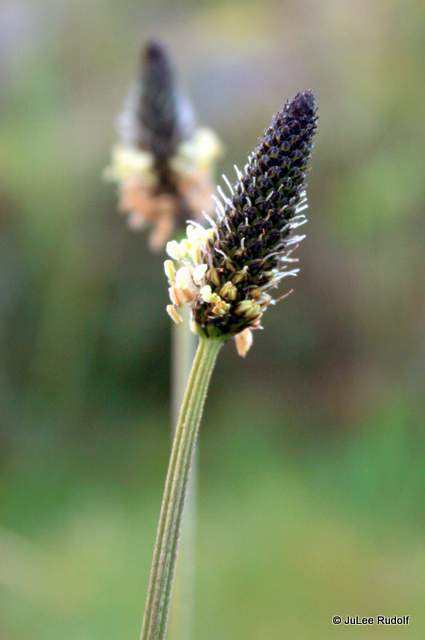
Plantago lanceoloata
Vicia americana
Vicia americana
Eriophyllum lanatum
Eriophyllum lanatum
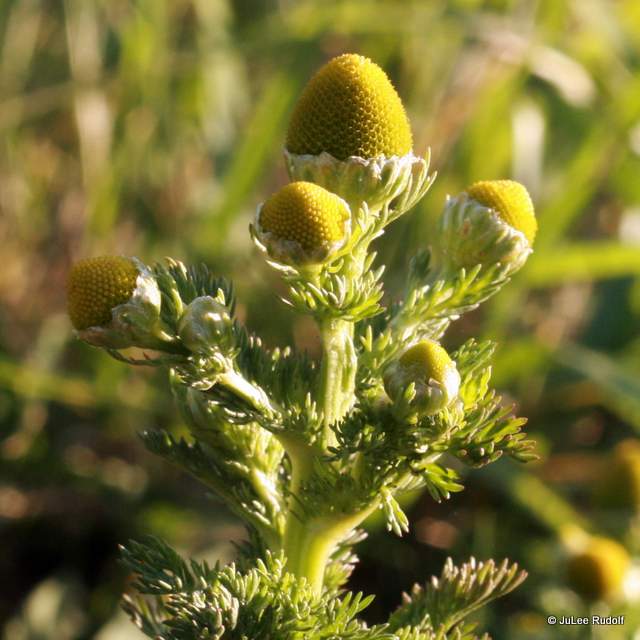
Matricaria discoidea
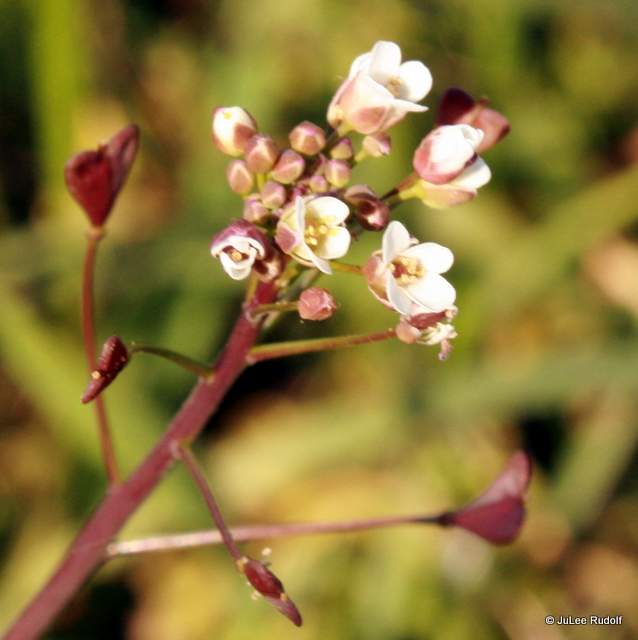
Capsella bursa-pastoris
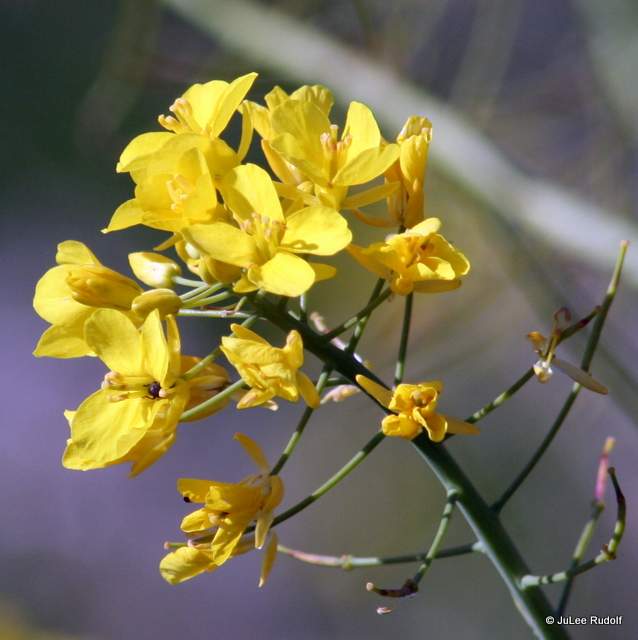
Barbarea orthoceras
Barbarea orthoceras

Washington Park;

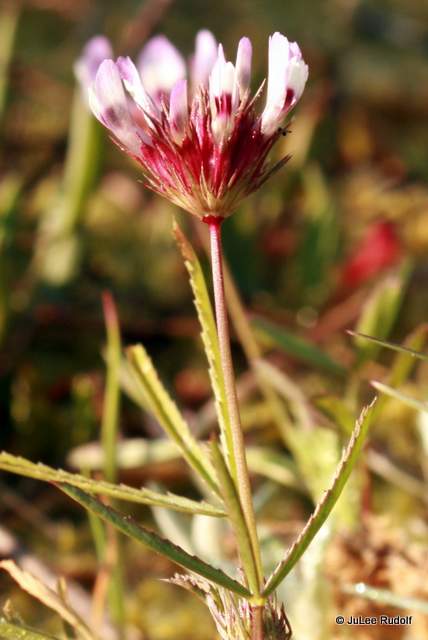
Trifolium wormskjoldii
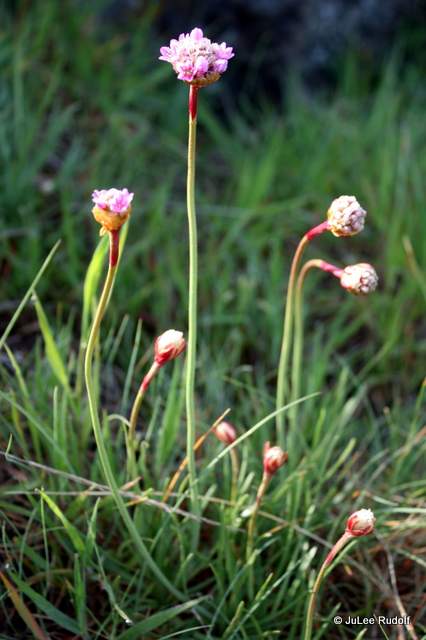
Armeria maritima
Armeria maritima
Epilobium ciliatum
Epilobium ciliatum
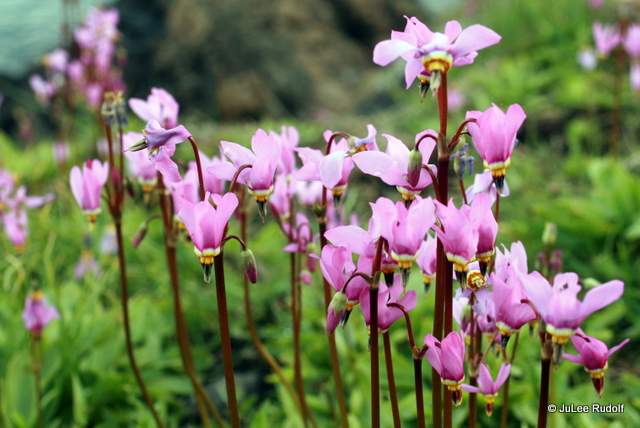
Dodecatheon jeffreyi
Corallorhiza maculata
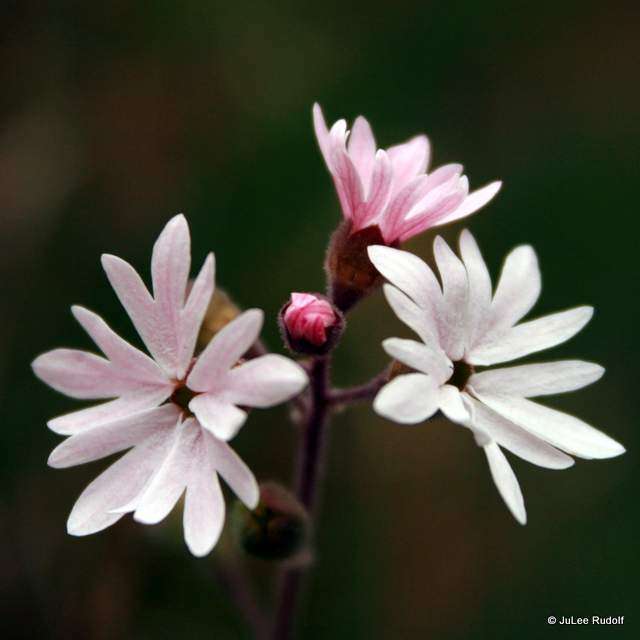
Lithophragma parviflorum
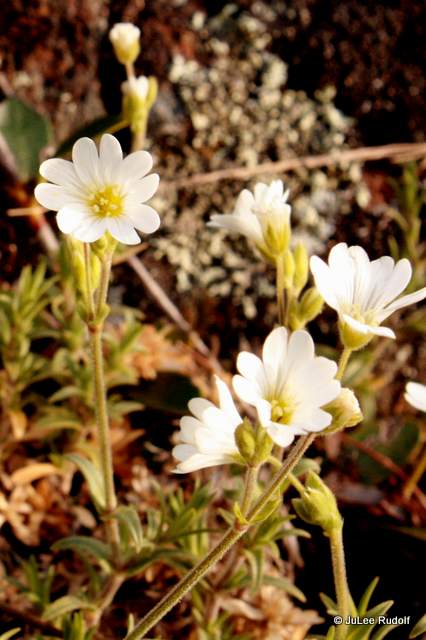
Cerastium arvense
Cerastium arvense
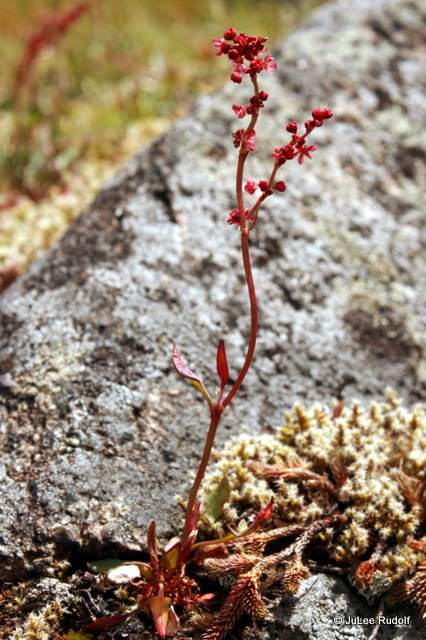
Rumex acetosella
Rumex acetosella
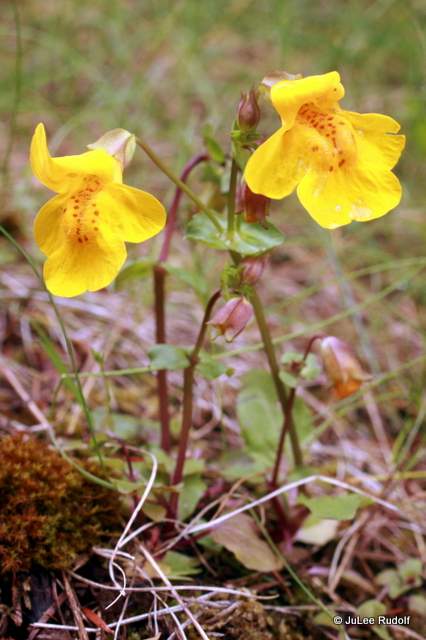
Mimulus guttatus
Mimulus guttatus
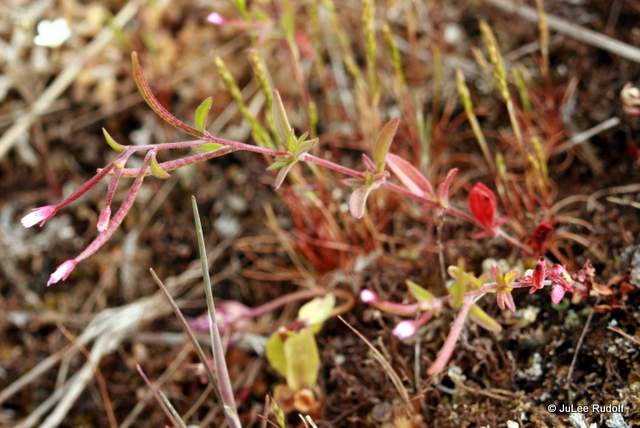
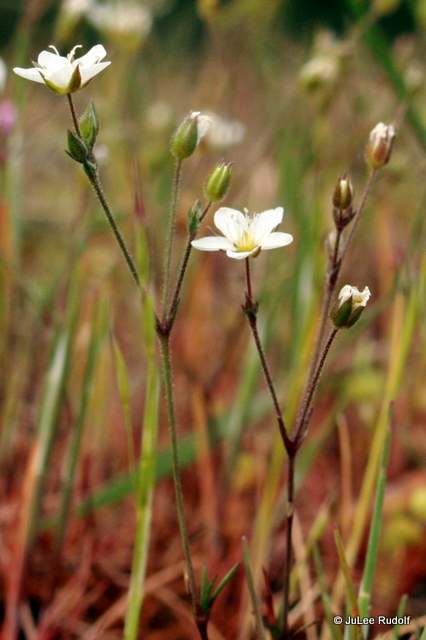
Minuartia rubella
Minuartia rubella

Cap Sante;

Sanicula crassicaulis
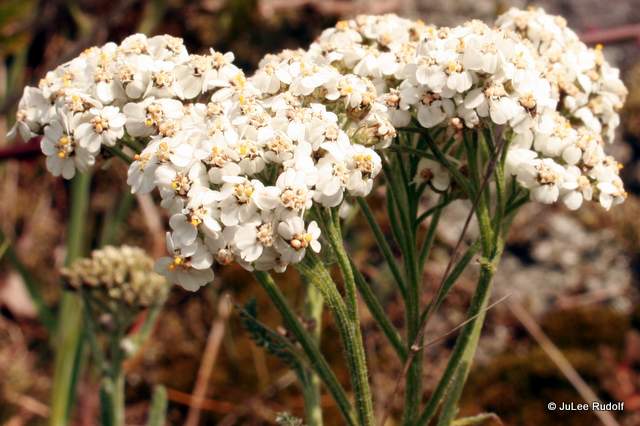
Achillea millefolium

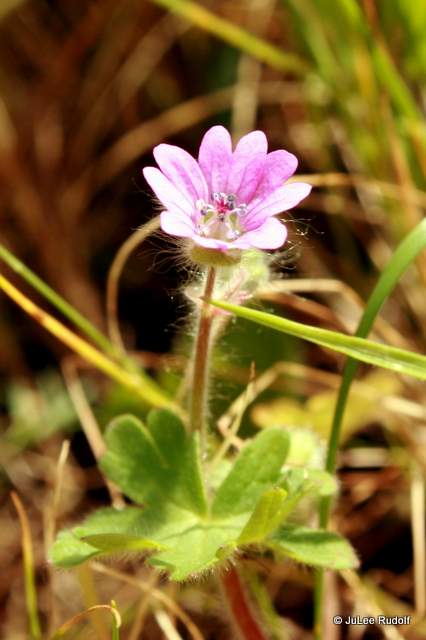
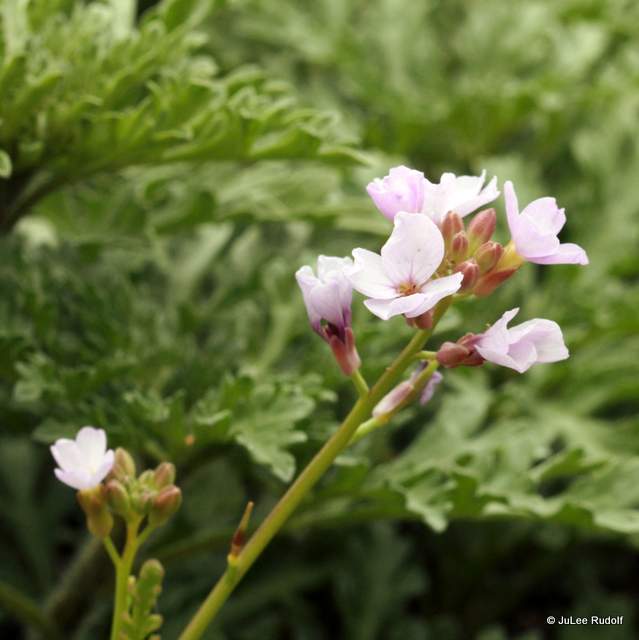
Geranium mole
Geranium mole
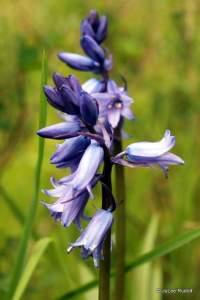
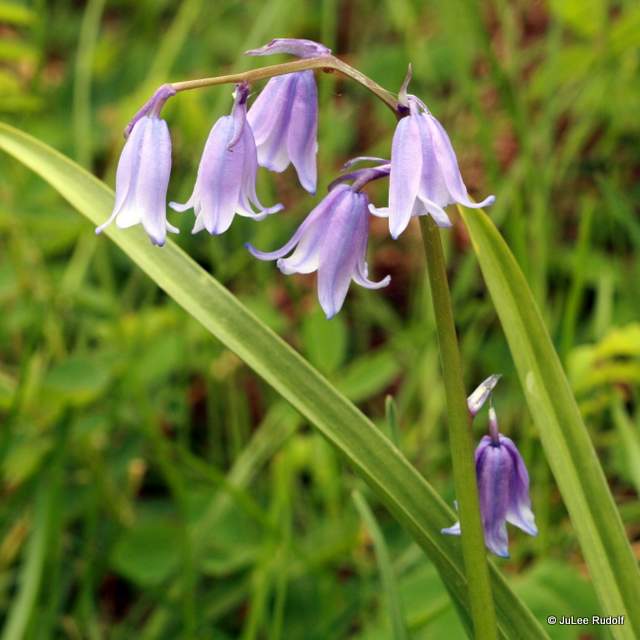
Hyacinthoides non-scripta
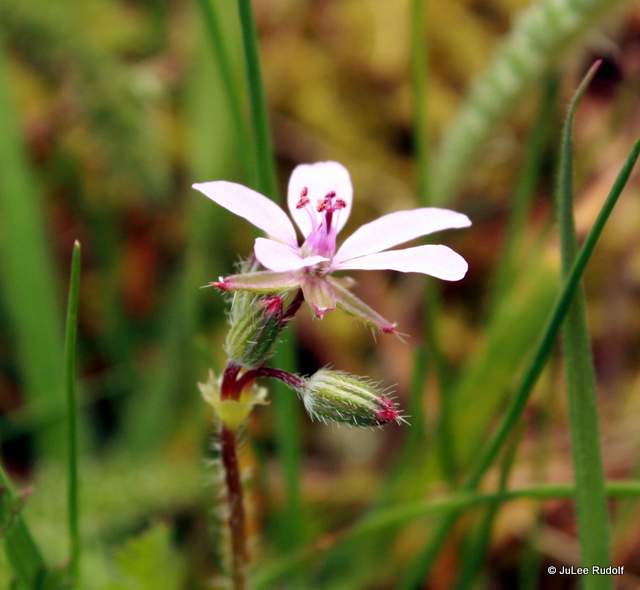
Erodium cicutarium
Erodium cicutarium

along the Tommy Thompson Trail;

Lupinus
Lupinus

Lupinus
Lupinus
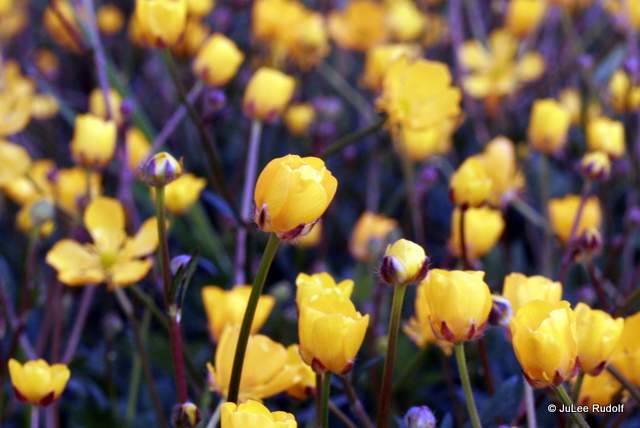
Ranunculus repens
Ranunculus repens
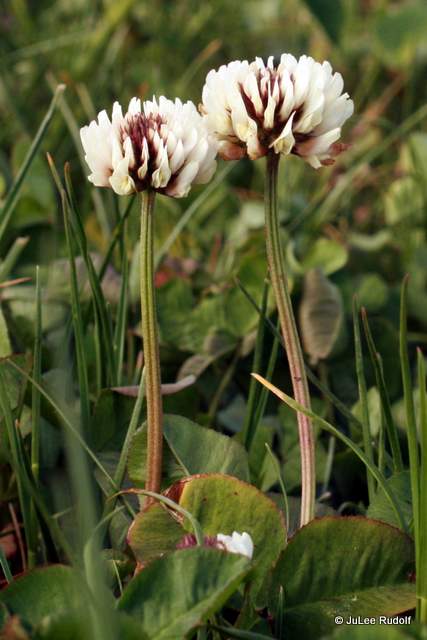
Trifolium repens
Trifolium repens
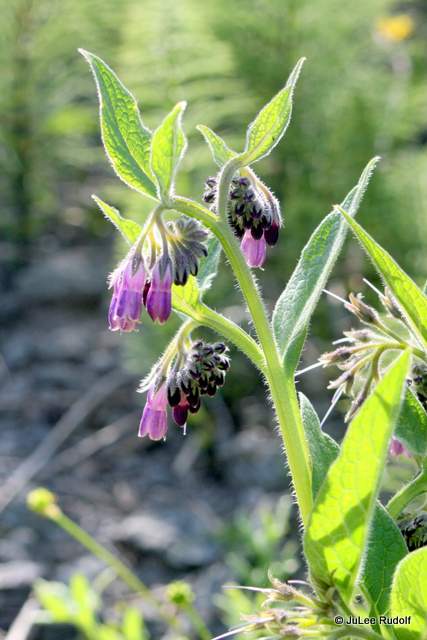
Mertensia paniculata
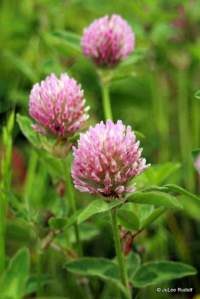
Trifolium pratense
Trifolium pratense

the Anacortes Forest Lands;

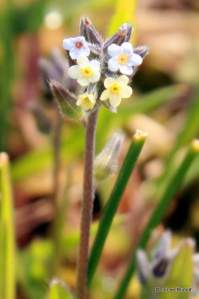
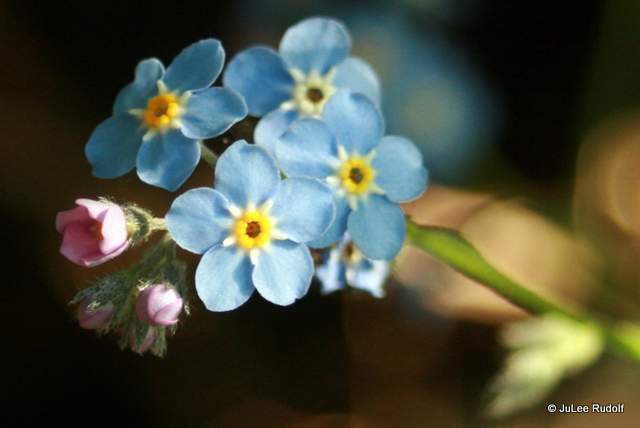
Myosotis sylvatica
Myosotis sylvatica
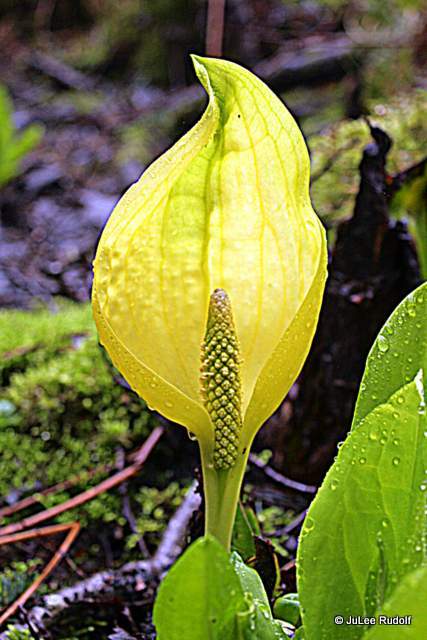
Lysichiton americanum
Dicentra eximia
Dicentra eximia
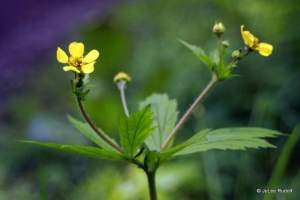
Geum macrophyllum
Geum macrophyllum
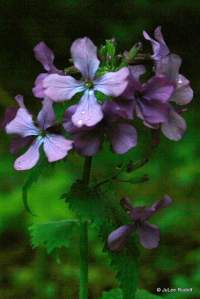
Hesperis matronalis
Hesperis matronalis

and Ship Harbor Interpretive Preserve.

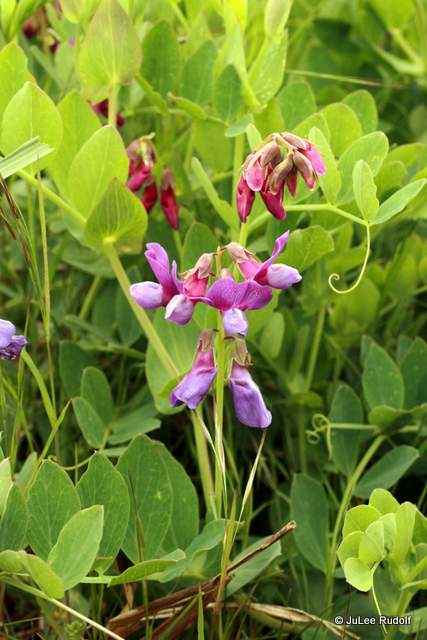
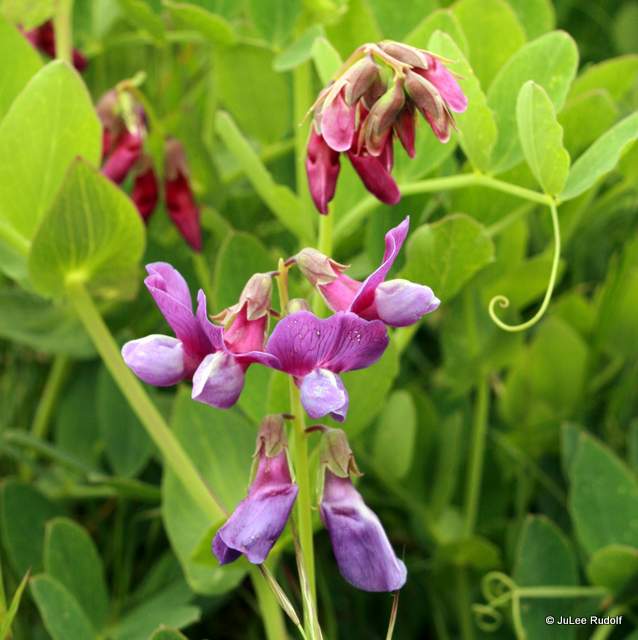
Lathyrus japonicus
Lathyrus japonicus

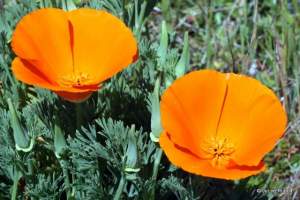
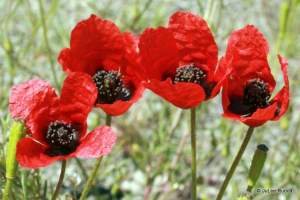
In hopes of finding and photographing about a hundred different species, I kept an eye out while traveling along local roads where I found this first one near Joseph Whidbey State Park and the second in Coupeville near OLF, a species of poppy that I haven’t quite figured out

Eschscholzia californica
Papaver rhoeas
Papaver rhoeas

and, after noticing a somewhat rare white Camas plant among a field of blue ones, hiked half a mile to it several times in hopes of seeing it in full bloom. In apparent defiance of my efforts, the flowers remained closed day after day.

Camassia quamash
Camassia quamash

I also spent hours combing through my plant book and a couple others, Wildflowers of the Inland Northwest by Ralph and Peggy Faust, and Wildflowers of the Sea Coast in the Pacific Northwest by Lewis J. Clark. Looking at the field guide photos, I realized how lucky and efficient it is to use digital camera technology.

I agonized over the best way to prepare a post about flowers. Should it contain hints to getting a good shot? Or was it better to talk about the likely-to-see-wildflowers spots. I decided on a combination of both and on the advice of my runner friend Catherine, who majored in science in college, decided to provide scientific names, which are nearly universal, to accompany the images rather than common names, which vary. I’ve left unidentified species blank but will update them. I photographed nearly all of these plants between mid-March of this year, when I noticed that first orchid in bloom, and the end of May with a Canon Rebel XTi DSLR camera, and edited them in Picasa. Full disclosure: I used my favorite photo editing feature: the auto-color/auto-light correction button <I’m Feeling Lucky> on nearly every photo; however, I neither saturated nor boosted the color on these photos.

From my field guide, I learned the difference between plants and shrubs, which would seem obvious, but isn’t always, “Shrubs are woody plants less than 10 m tall when mature and usually multi-stemmed.” The Wildflower part begins, “This section includes all non-woody flowering plants…It is divided into 24 parts. Twenty-three of these represent the major plant families, and the 24th includes flowers from other, smaller families.” Although the difference would seem obvious, it isn’t always. The Twinflower is a shrub.

Linnaea borealis
Linnaea borealis

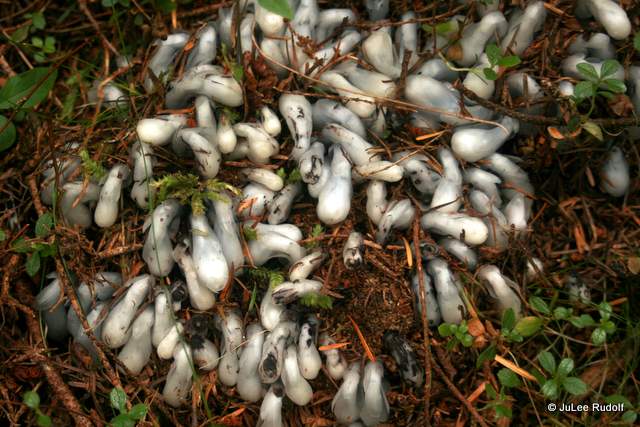
During my 100 species of wildflowers quest, I was not always successful in finding specific plants. Besides the Camas-that-refused-to-bloom, I was unable to find a cooperative Indian pipe plant. I found at least half a dozen piles of the plants apparently ready to emerge from the ground, but none ever did. This was the best shot I could get.
Monotropa uniflora
Monotropa uniflora

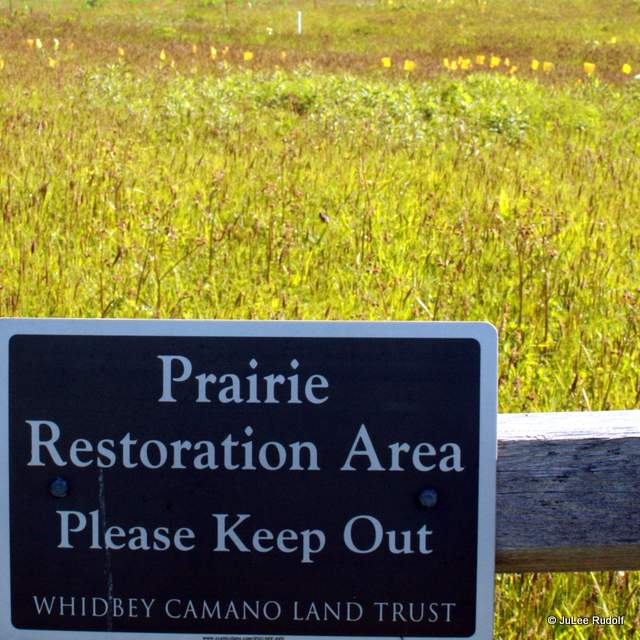
But my biggest disappointment was in not being able to find, observe and photograph the rare Golden Paintbrush plant in its native habitat. Per a Whidbey News Times article, “Populations of Golden Paintbrush are found in only 11 sites in the world, including nine in the United States. Of those, five are on north and central Whidbey Island.” For now, I provide this placeholder, a shot of yellow flags marking Golden paintbrush plantings on Whidbey Camano Land Trust-preserved parcel, the Naas Prairie Unit of the Admiralty Inlet Preserve.
Castilleja levisecta

In closing, I’d like to share some of my favorite images with, what else, random commentary.

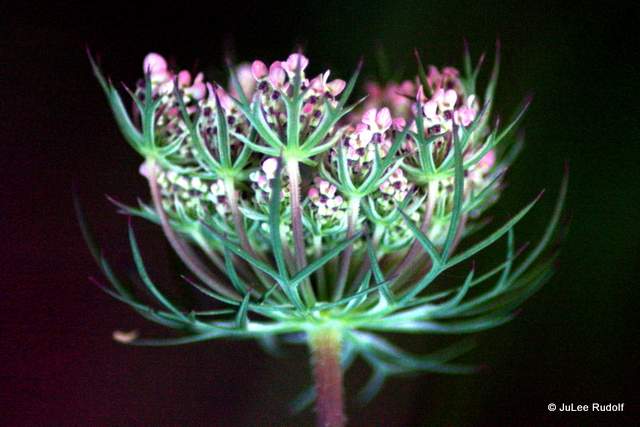
Still my favorite flower photo of all time.

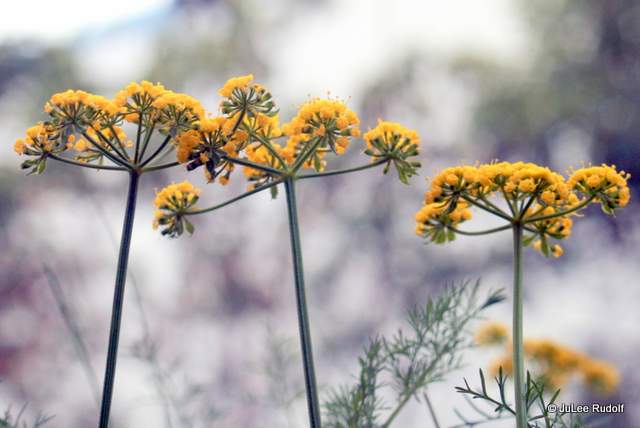
Daucus carota
Daucus carota

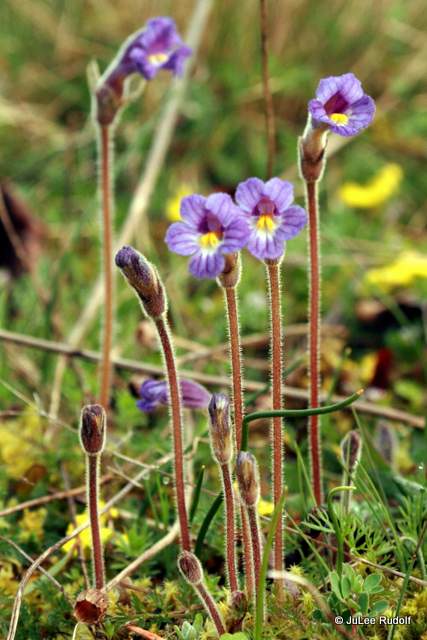
These plants are parasites.

Orobanche uniflora
Orobanche uniflora

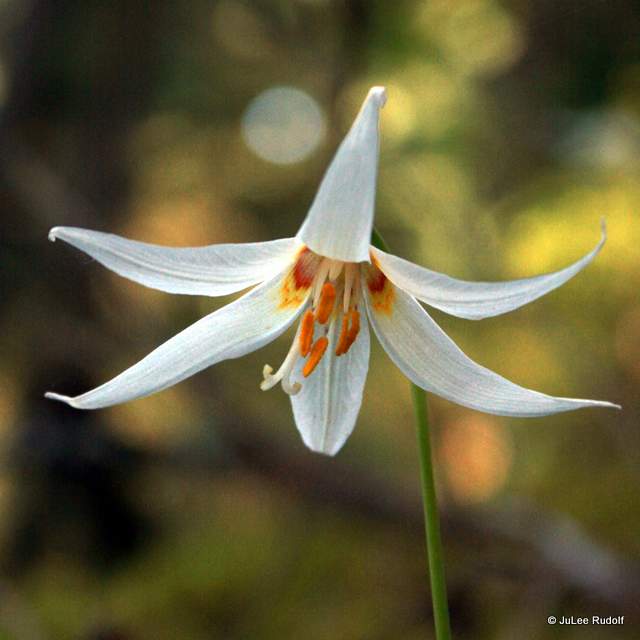
I’ve found that early morning light, just after sunrise when the sky is clear, provides soft light and shadows, which are perfect for flower photography.

Erythronium oregonum

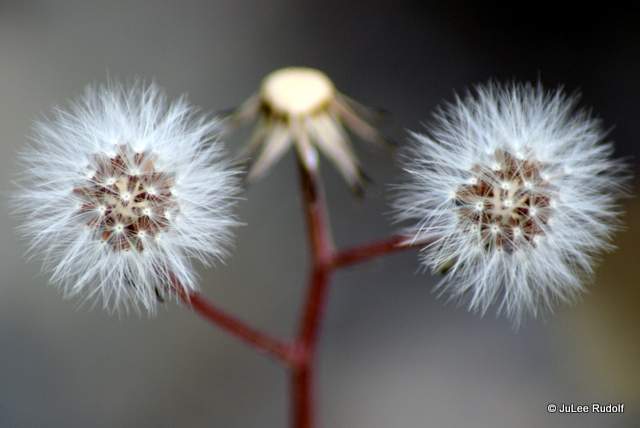
Courtesy of George Washington Carver, “A weed is a flower growing in the wrong place.” Even the most common (most annoying) plant can make a great subject. Don’t forget the dandelions,

Taraxacum officinale

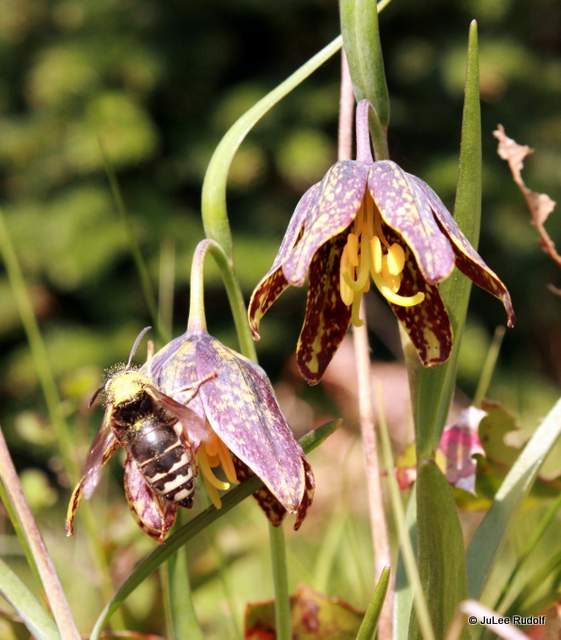
Include insects or other familiar items to show scale.

Fritillaria lanceolata

We are all used to photographing in “plan view,” but shots from the side

Plectritis congesta
Plectritis congesta
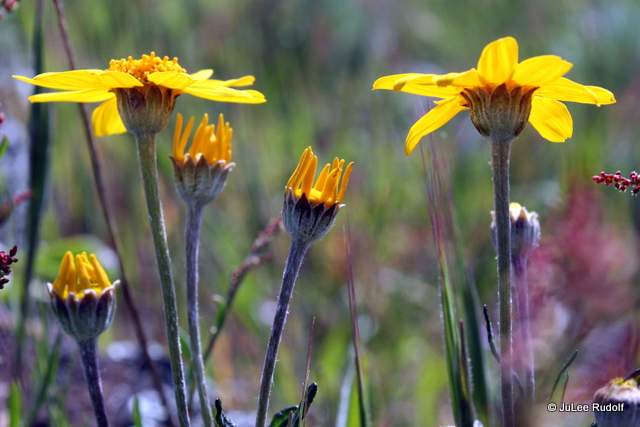
Arnica amplexicaulis

or below are also nice.

Lomatium utriculatum

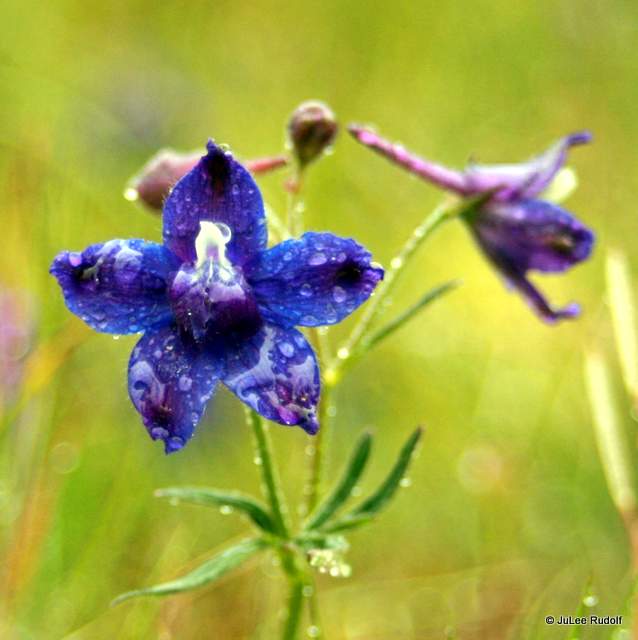
Brave the rain. Water can add a whole new dimension to your shots.

Delphinium menziesii

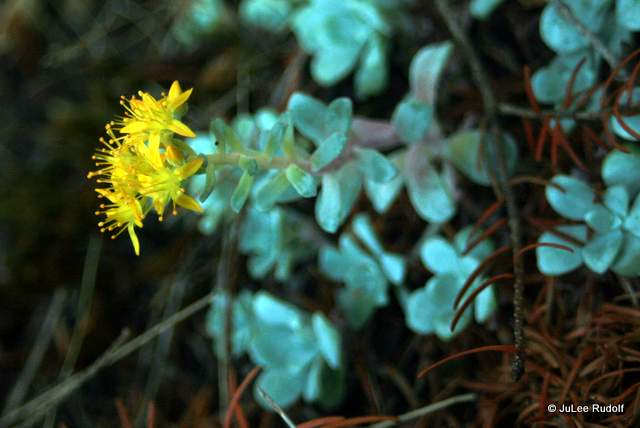
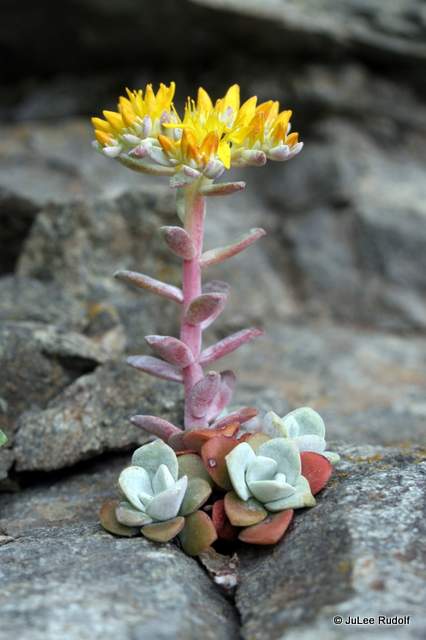
Be a composer. I found this flower growing out of a soil-filled crack in a massive boulder near the south end of the Deception Pass Bridge.

Sedum spathulifolium

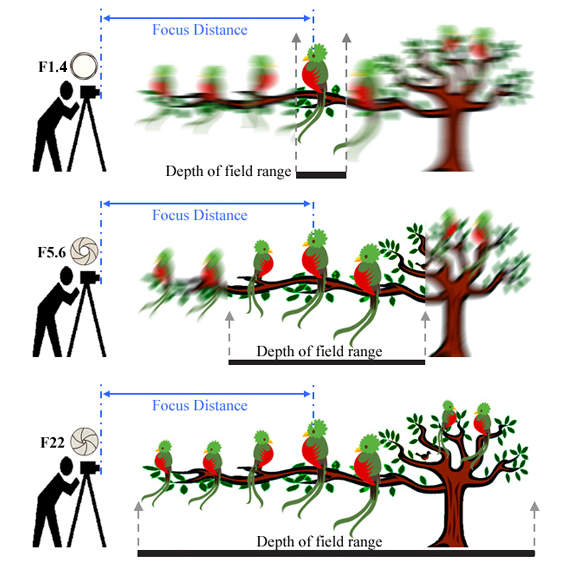
Chrome Legacy Window 612015 114006 AMUnderstand your camera settings like f/stop, well-explained in this Charlotte Photography blog post with help from this image.
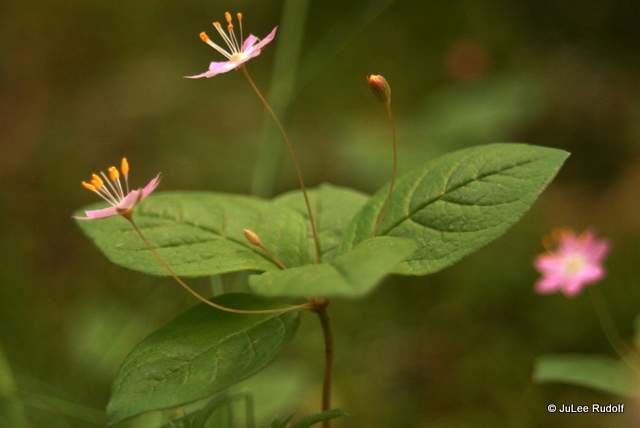
and take lots of shots: I took about a dozen images of these flowers to get a depth of field and focus that I liked.

Trientalis latifolia

Finding and photographing wildflowers on Whidbey and Fidalgo Islands over the last few months has been fun but time-consuming. It’s time to move on to a new subject.

Notes:
I welcome corrections or additions to my attempts at plant identification.
Although I provide the geographical location of plants in specific photographs, I observed most of these plant species at multiple locations.

I hope that these images of plants from Whidbey and Fidalgo Islands inspire you to get out there on the trails, especially those at Washington Park, Ebey’s Reserve and Deception Pass State Park to stop and smell, admire, and photograph the wildflowers.

Guemes Channel Trail and Ship Harbor Interpretive Preserve

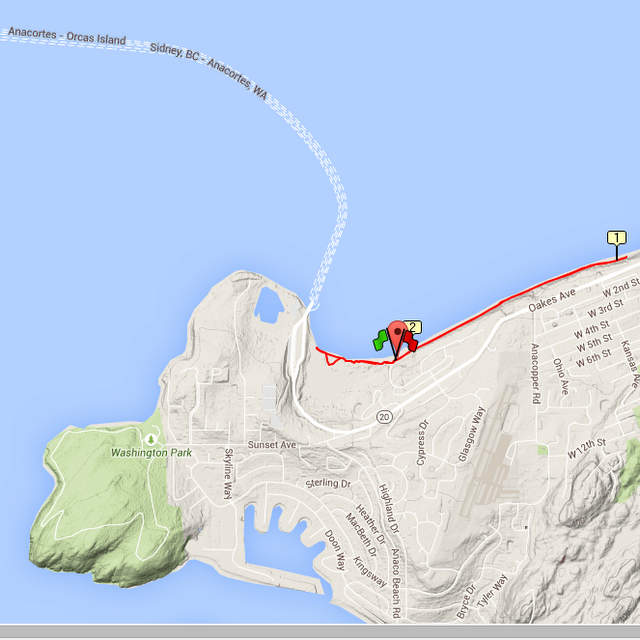
Last week, for the first time, I walked a recently-opened mile-long section of the Guemes Channel Trail

Chrome Legacy Window 5212015 122611 PM

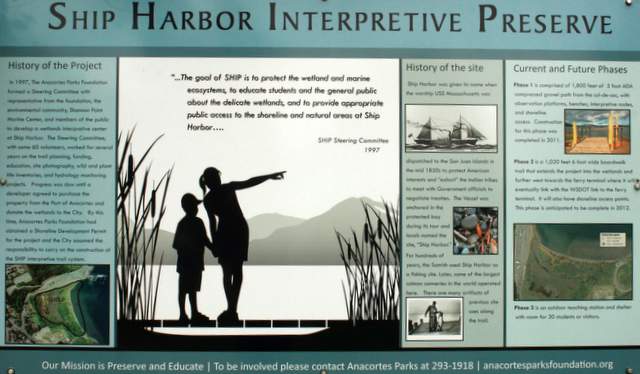
in Anacortes, which will eventually connect to the Tommy Thompson Trail. I also visited the nearby Ship Harbor Interpretive Preserve,

IMG_2376

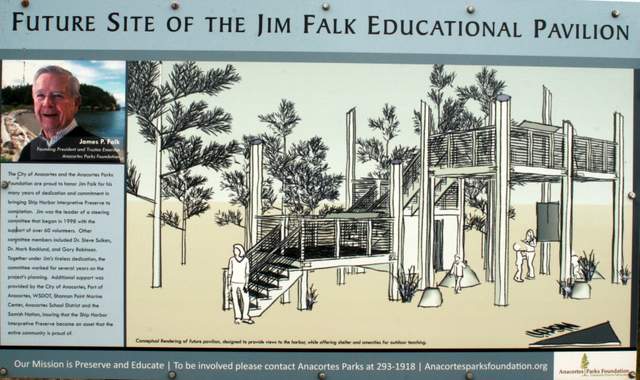
which is accessible from the end of a little cul de sac that can be reached from Oakes Road (to Glasgow Way to Edwards Way). SHIP is a work in progress with Phase 3, “an outdoor teaching and shelter with room for 30 students” left to complete.

IMG_2427-001

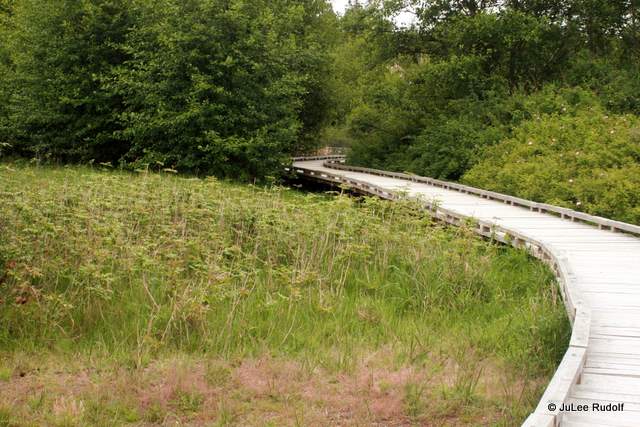
I arrived on a late Wednesday morning during a high tide, parallel parked along the edge of the road and headed towards the preserve, which begins about half a mile from the Anacortes Ferry Terminal and extends to within a few hundred feet of it. The dirt trail was well groomed and lined with a wooden handrail along most of its length.

IMG_2380-001

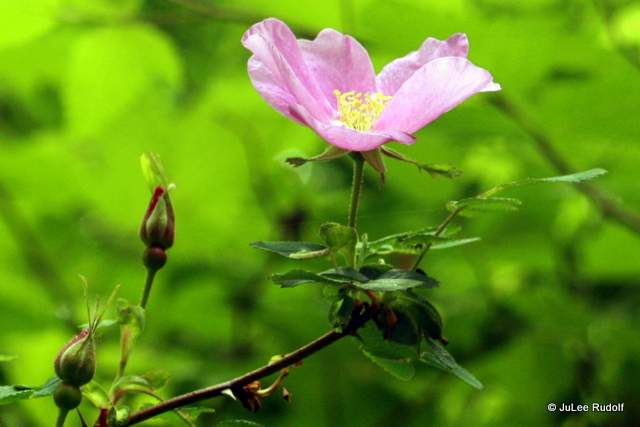
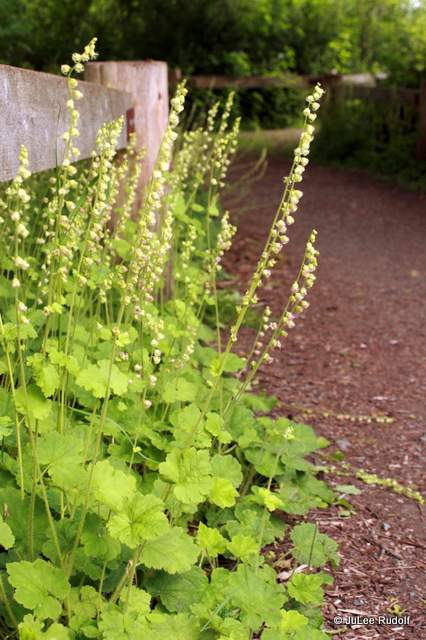
All sorts of plants were thriving, like ferns, fragrant Nootka rose bushes and mitreworts.

IMG_2382-001

IMG_2388-001

IMG_2391-001

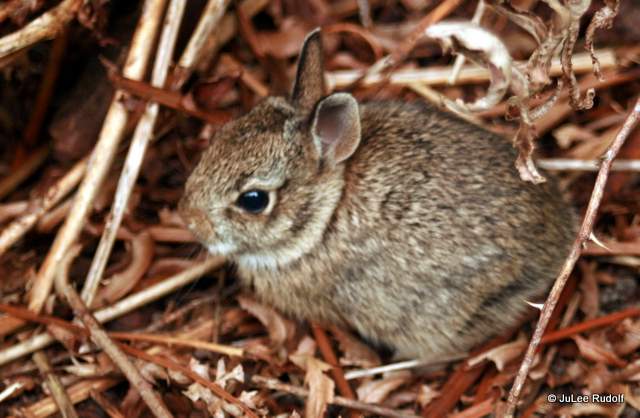
I noticed three super small, super cute kits hopping around in the bushes near the trail.

IMG_2393-001

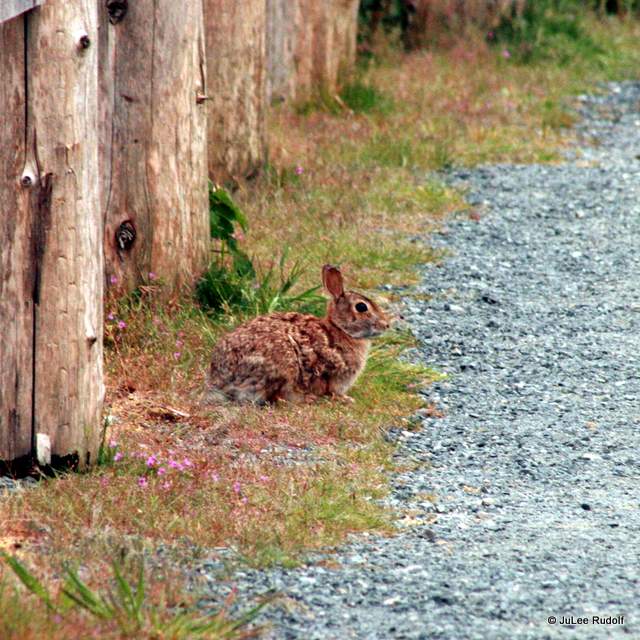
When I returned the following day, the babies were nowhere to be seen, but I saw some adult rabbits, like this one.

IMG_2519-001

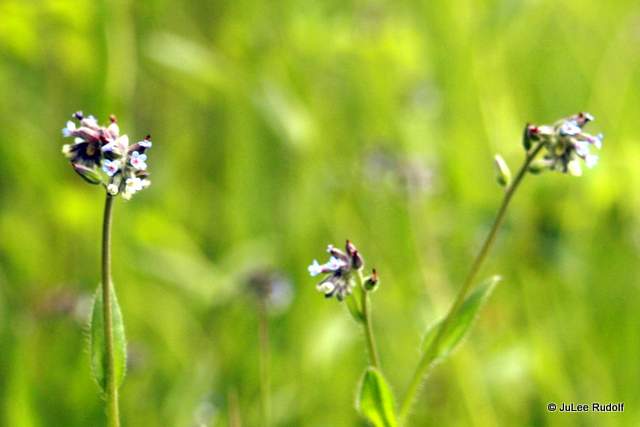
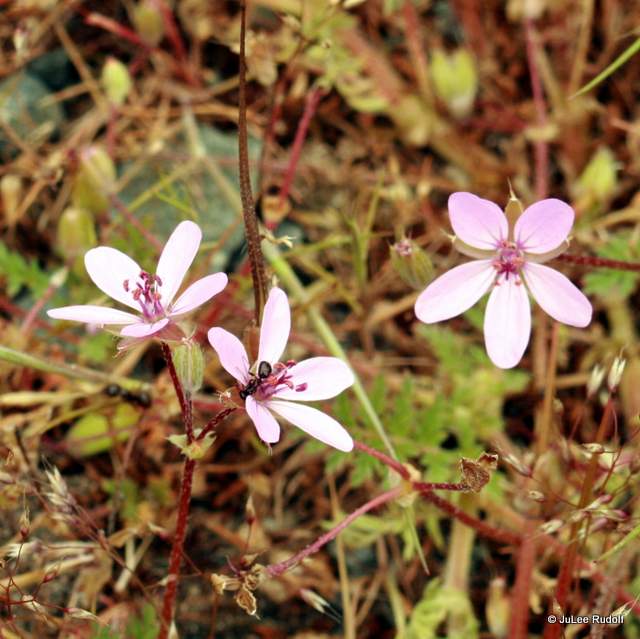
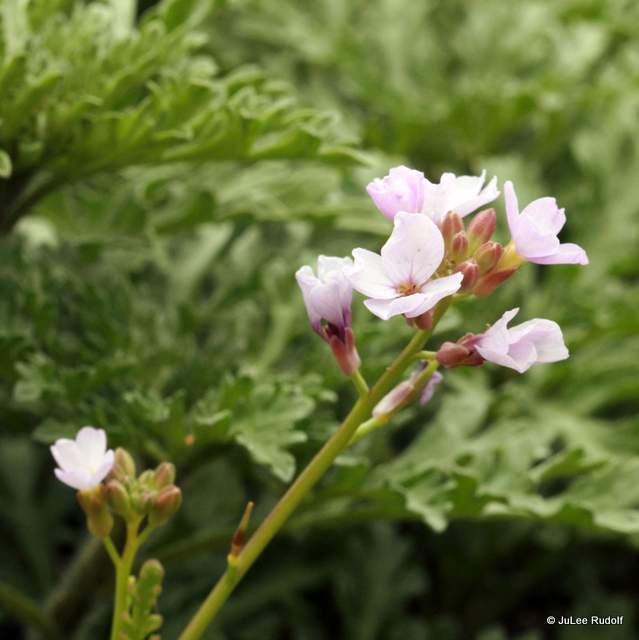
Further along were more flowers in bloom, like these, Small-flowered forget me nots and and Common Stork’s-bills.

IMG_2413-001

IMG_2420-001

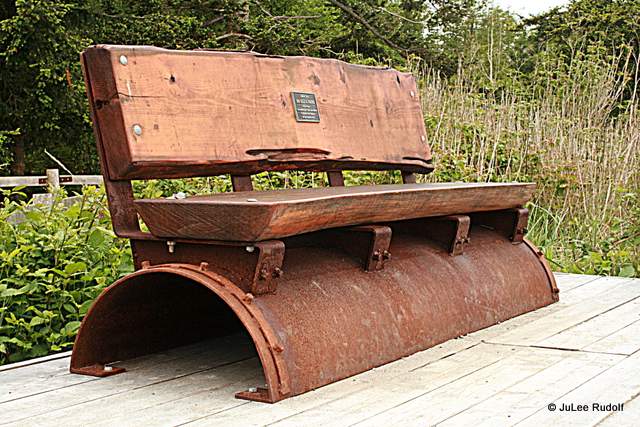
At several places along the trail, which becomes a boardwalk on the western end, wooden platforms extend towards the beach. Near one were two cool things: an unusual bench

IMG_2401-001

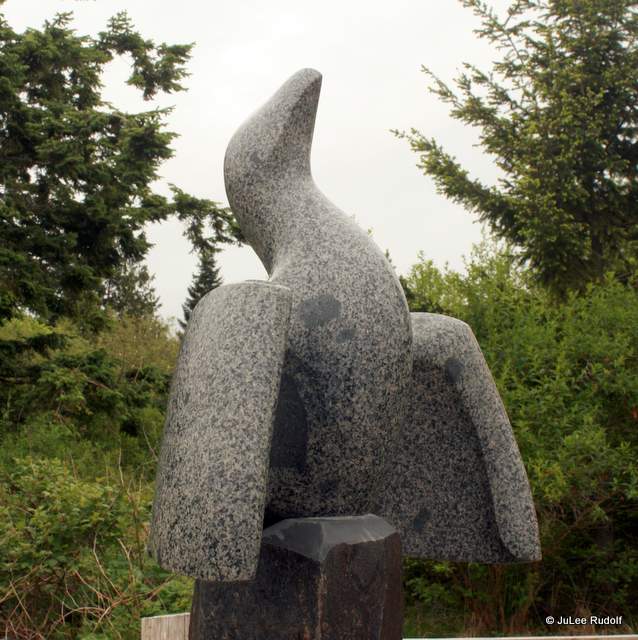
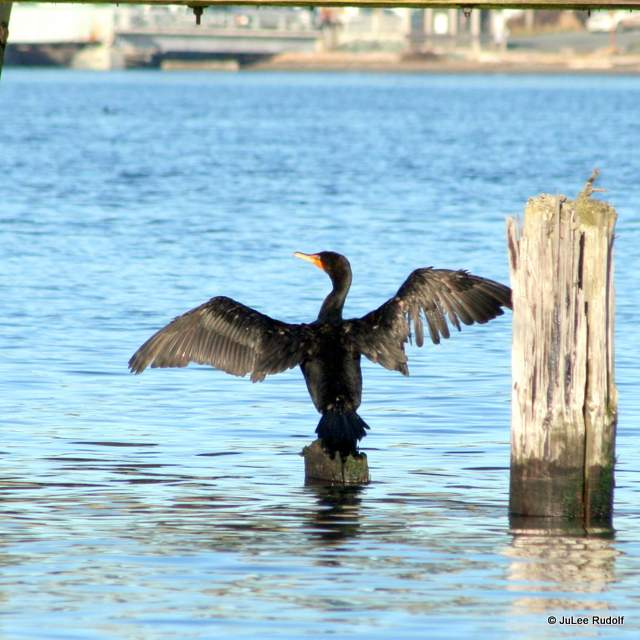
and a sculpture entitled CORMORANT Drying Her Wings by Tracy Powell, which finally allows me to share this shot of one doing same viewed from North Avenue Park, which lies only a few miles to the east of this sculpture.

IMG_2400

IMG_3267-001

On the beach, I noticed a plant I’d not seen before, and another I had.

IMG_2430-001

IMG_2415-001

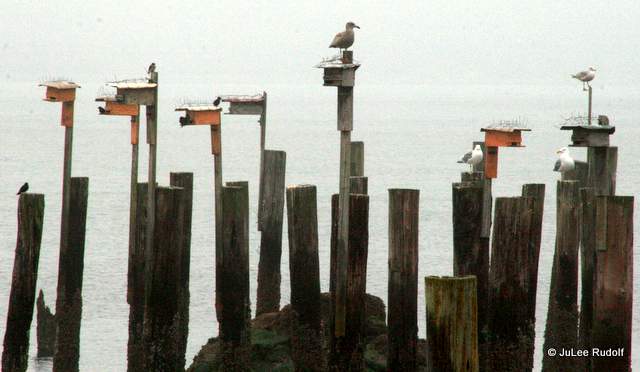
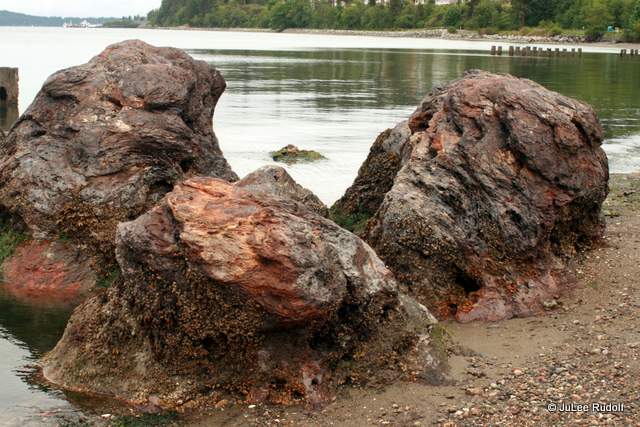
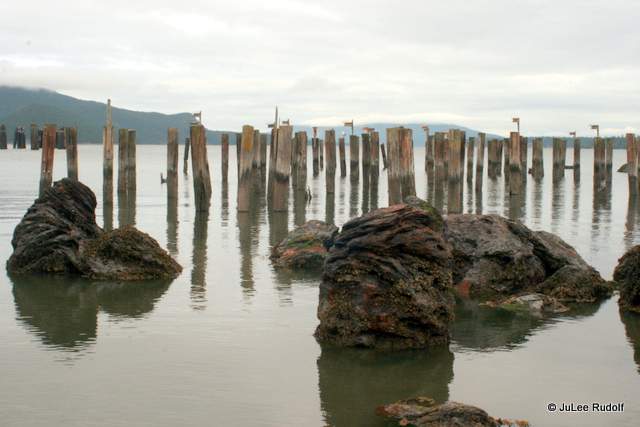
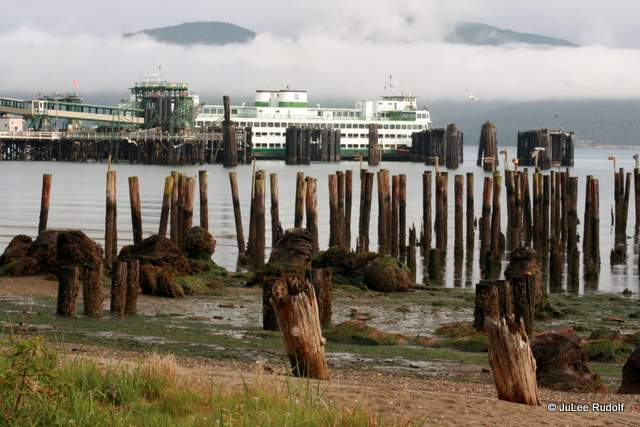
Closer to the ferry dock, these barnacle-encrusted boulders were embedded in the sand near dozens of abandoned pilings.

IMG_2432-001

IMG_2436

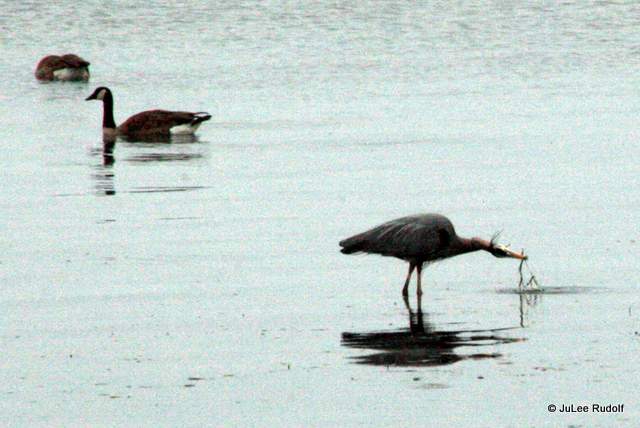
When I returned the following day, it was low tide and Canada geese, herons, gulls and crows fished from the water and the shore at that same spot.

IMG_2511-001

IMG_2525-001

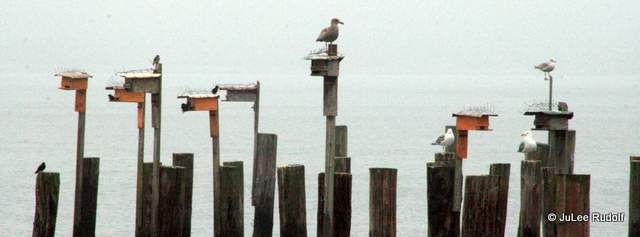
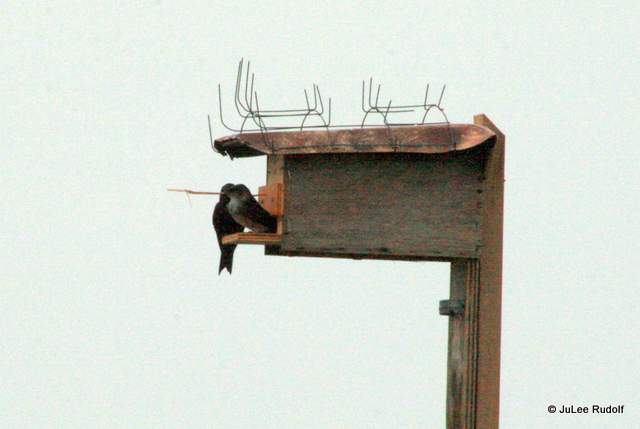
Wooden bird houses with wire spikes on top (to keep unwanted species away) were attached to the pilings. The gulls that hung around were obviously too big to pass through the doorways. Tree and Barn swallows seemed to be the house’s likely inhabitants.

swallow houses at Anacortes Ferry Dock 5-15-2015 6-48-37 AM

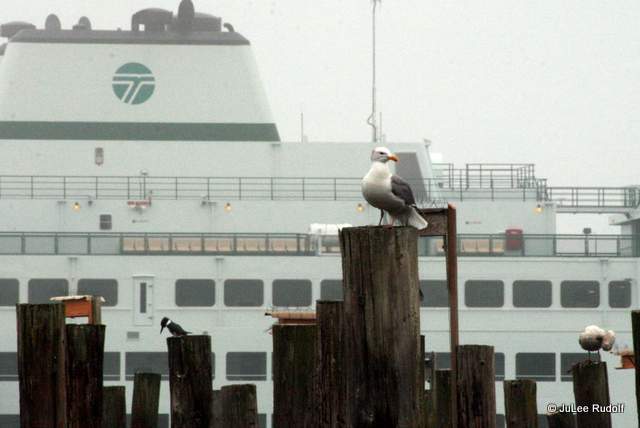
After the fact, I noticed my nemesis bird, a Belted kingfisher,perched on a piling, scrutinizing the water below for prospective prey (it’s just below and to the right of the green WSF logo), while swallows flew to and from their nests.

IMG_2547-001

IMG_2554-001

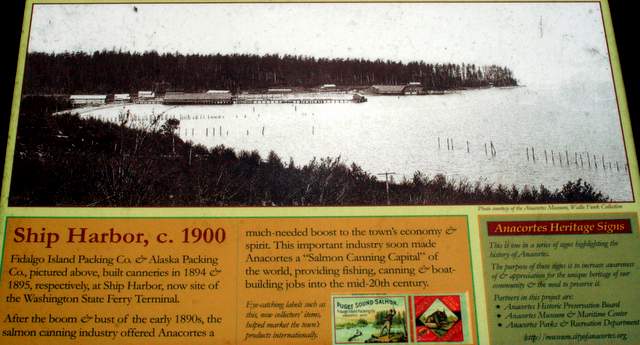
The pilings had likely been part of what once existed at Ship Harbor, possibly a dock or cannery building.

IMG_2501

But, back to that first day, a ferry arrived as I neared the terminal.

IMG_2446-001

After exiting the boardwalk, I followed the shore to try to access the terminal, but gave up after a few minutes and returned to the trail. I stopped at a huge marshy area with the remnants of cattails and yellow iris still in bloom. Barn and Tree swallows flitted and darted about, which made them too difficult to photograph.

IMG_2450-001

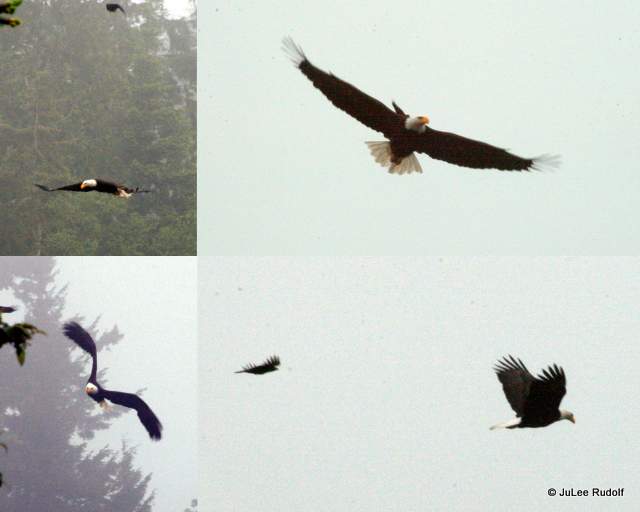
Did I mention, I returned for a third day in hopes of getting another look at and better photo at a bird I’m about to show you. I had no luck with that, but I did see a Rufous hummingbird and, something we see regularly but I don’t understand, a crow bugging a Bald eagle. As soon as the eagle landed on a tree branch along the marsh, a crow flew at it. The eagle took off with the crow, pesky-fly-like, in hot pursuit. Eventually, the eagle left the area. In the top right photo below, the little black spur near the eagle’s neck is the crow flying close. The bottom right shows the crow pursuing the eagle. But back to that first day…

Guemes Channel Trail Ferry End

Opposite the marsh, lupines provided a bit more color.

IMG_2452-001

I continued walking along the section of boardwalk leading away from the beach and meanders through trees, shrubs and plants. From a distance, I heard a sound. It was a bird call. A very, very loud call. A call that I had not heard before! My heart starting racing. I hoped that a fellow preserve walker would not show up and scare it away before I had the chance to see it.

IMG_2454-001

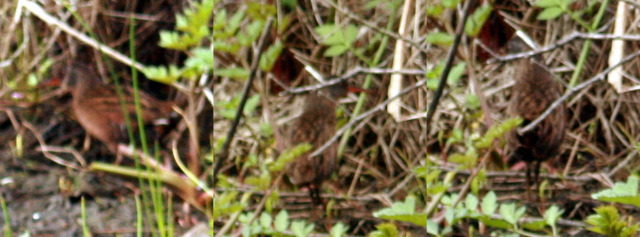
As I closed in on the source of the sound, I realized that there were two birds calling back and forth. One was deep in the bushes. The other, smaller than a robin, was cautiously scurrying along the edge of the vegetation. I suspected it was a Virginia rail, a bird I’d once seen but not heard along Dugualla Bay, and so had read about in my field guide.

Chrome Legacy Window 5222015 92240 AM

It had a long beak and a blue-gray head. I held perfectly still while trying to take photos without focusing to avoid scaring this super shy species, which, of course, didn’t work, but I share this collage of the three unfocused shots I took as totally lame proof of my bird ID.

Guemes Channel Trail Ferry End1

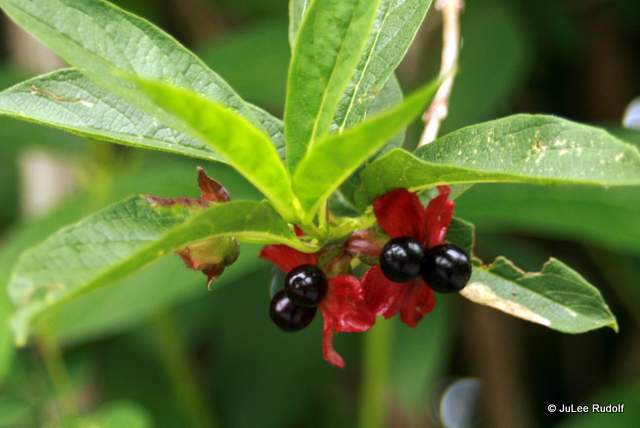
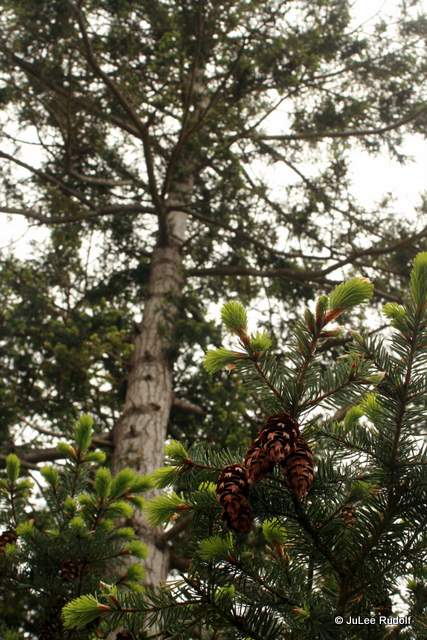
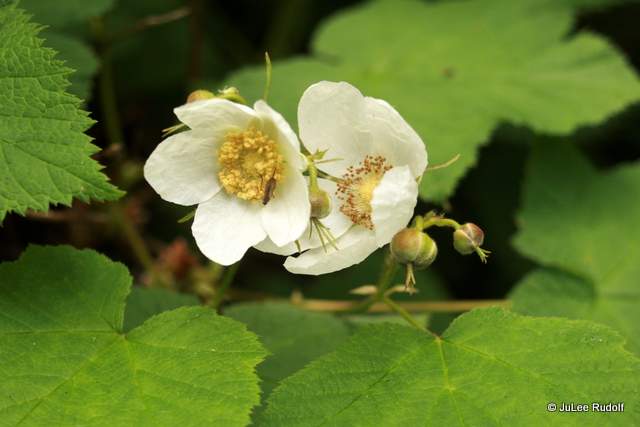
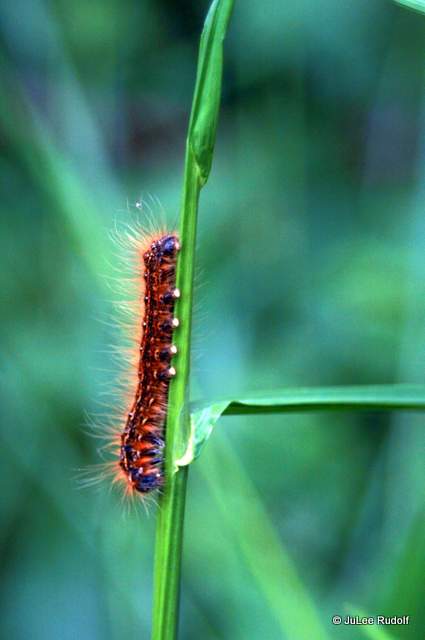
It disappeared after a few minutes and both birds went quiet, so I continued on my way back to the east end of the preserve, stopping to take photos of a shrub called Twinberry, for obvious reasons, a Douglas Fir, Thimble berry bush and one last thing, irresistible even though I know how reviled they are, a Tent caterpillar. Kids love to capture and pet them but adults despise them because they are so destructive to shrubs and trees.

IMG_2462-001

IMG_2466-001

IMG_2469-001

IMG_2472-001

IMG_2478-001

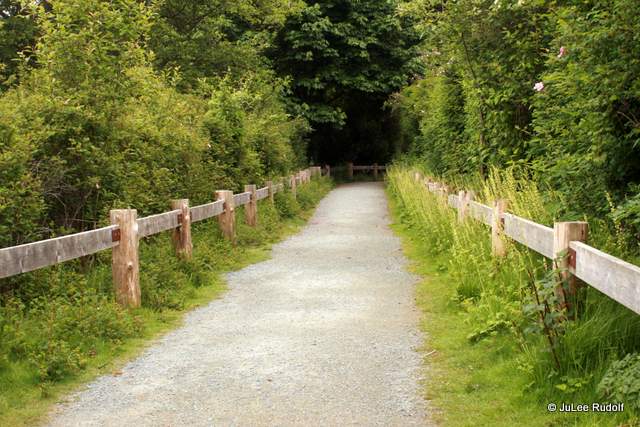
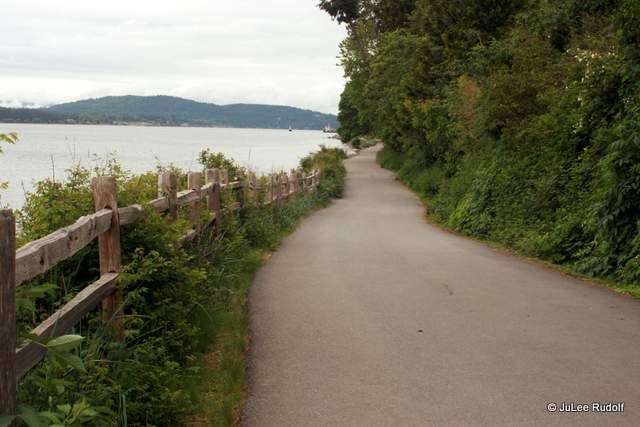
After returning to the start point, I made my way east along the Guemes Channel Trail, paved with asphalt and lined with greenery.

IMG_2480-001

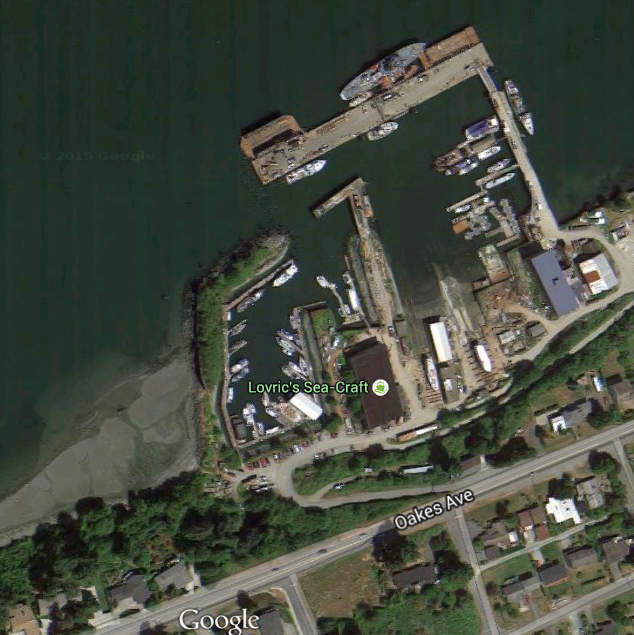
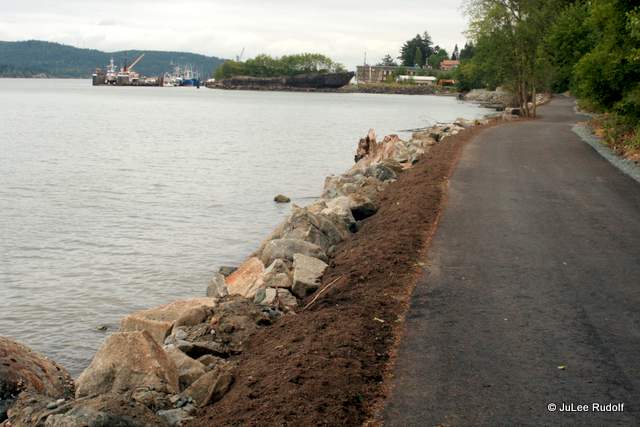
The view of the coast was as awesome as expected, but what I really wanted to know was how far it went. I didn’t have time to get to the end and had to turn back at about two-thirds of a mile, but returned and ran it the next day. My GPS watched indicated it was almost exactly 1.0 miles one way. Off in the distance you could see the hull of a wooden ship that is now overgrown with weeds. A tip from Roadside America entitled Overgrown Ship claims, “A very old merchant ship that was scuttled so long ago (1966) that a small forest has taken up residence. The La Merced was a four masted schooner, commissioned in 1917. In the end it was turned into a breakwater by filling it with dredge; the woodlands are a natural byproduct.” It’s the green-topped black form in the upper center of this shot and the green angled shape to the left of Lovric’s Sea Craft in the second photo.

IMG_2482

Chrome Legacy Window 5212015 102431 PM

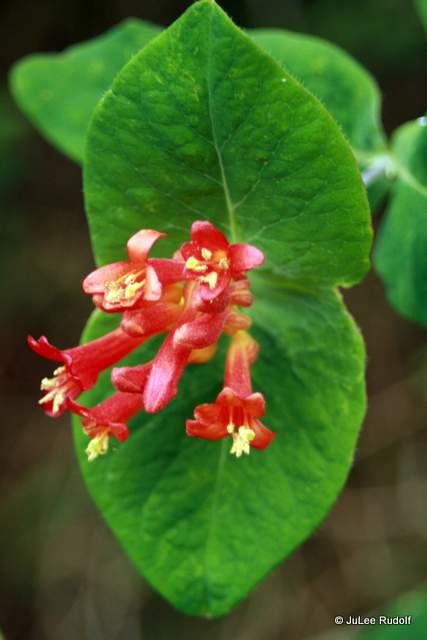
On the return trip, I could see the ferry docked at the terminal and hear a flock of what I think were European starlings flying around a huge Maple tree (shown here) that extends across the path. Shrubs like this Western trumpet honeysuckle, which hummingbirds love, Salmonberry bushes, Stinging nettles, Sword ferns and other plants you’ll have to walk the trail to see for yourself covered the hillside.

IMG_2484-001

IMG_2496-001

IMG_2499-001

IMG_2487

The trip through the preserve, then to the end (as far as was allowed) of the Guemes Channel Trail and back was 2.8 miles, or nearly 5K. I can’t wait for it to be extended further.

Leaving the cul de sac and driving through the housing complex on my way home, I noticed this deer, unafraid of the cars and persons passing by. After determining I was harmless, he got back to his grass.IMG_2567-001

My advice: if you live nearby or plan to take the ferry from Anacortes to anywhere, schedule an hour or more to enjoy the Ship Harbor Interpretive Preserve and the Guemes Channel Trail.

Ginko Petrified Forest State Park

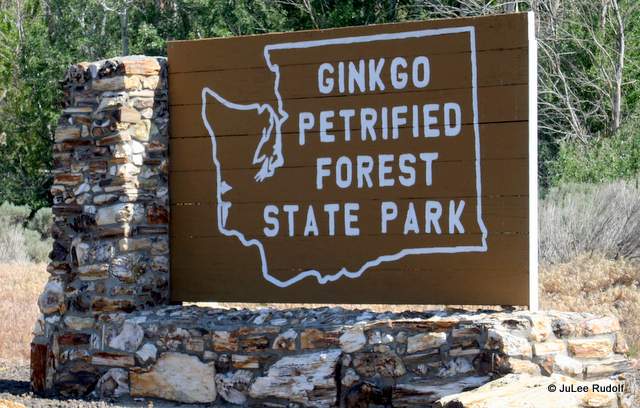
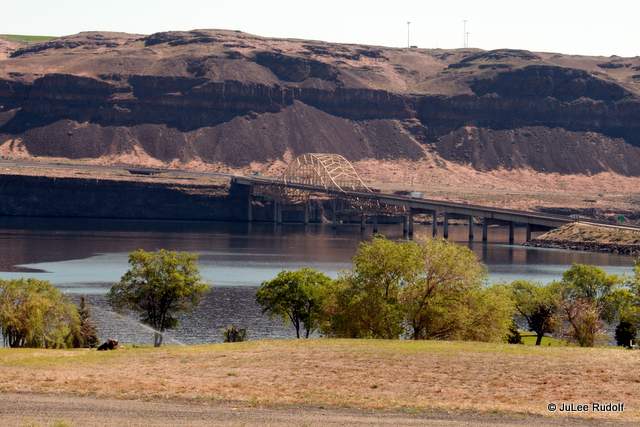
En route to Bloomsday a couple of weeks ago, I stopped at Ginko Petrified Forest State Park during my six hour drive from Whidbey Island to Spokane.
IMG_1891I had read a few reviews about the park beforehand, which were mixed. It sounded like a neat place to see different species of petrified wood…if you didn’t mind viewing them, zoo-like, encased in cages. Because it only required a short detour of a few miles, I decided to stop.

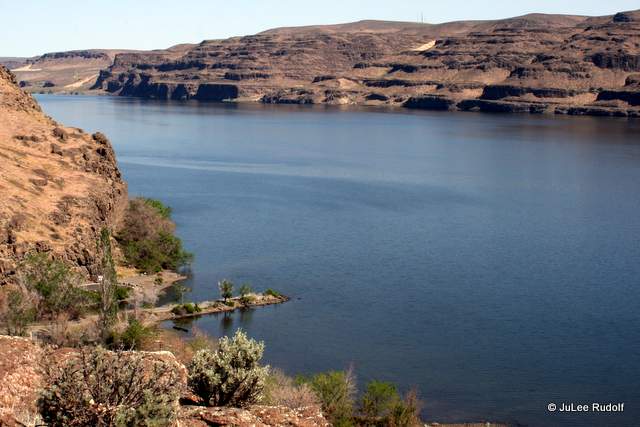
As the Columbia River appeared in the distance, I exited the freeway and drove a short distance to the entrance, parked, displayed my Discover Pass and headed towards the water.
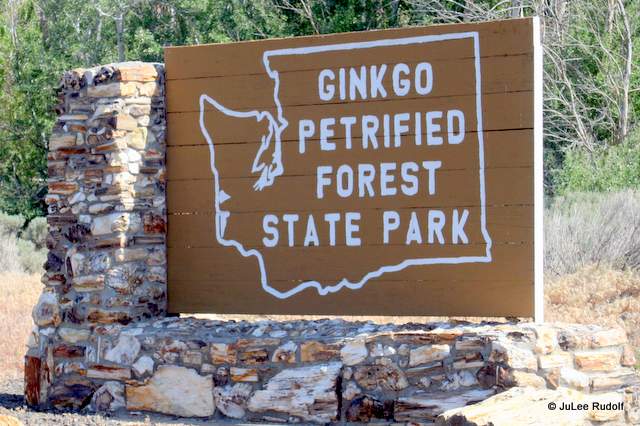
IMG_1889The Washington State Park site states, “Ginkgo Petrified Forest State Park is a 7,470-acre park with year-round camping at Wanapum Recreational Area. The park features 27,000-feet of freshwater shoreline on the Wanapum Reservoir on the Columbia River. Petrified wood was discovered in the region in the early 1930s, which led to creation of the park as a national historic preserve. Ginkgo Petrified Forest is a registered national natural landmark. It is regarded as one of the most unusual fossil forests in the world.”

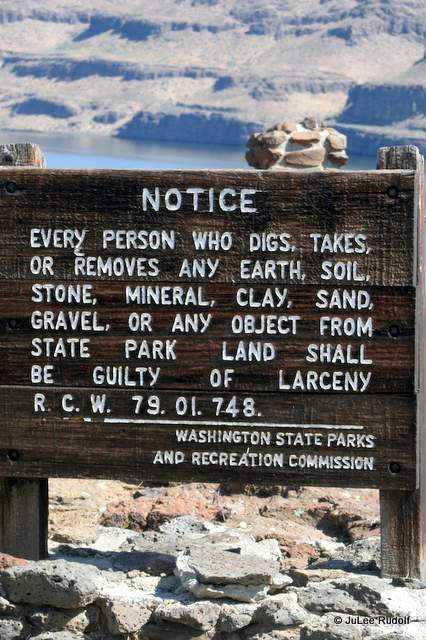
A sign was conspicuously located near a viewpoint of the river. Unfortunately, folks had defied the law and committed “larceny” by removing chunks of the petrified wood as souvenirs, which was the reason for the cages I’d see later on down the road.
IMG_1890
IMG_1896
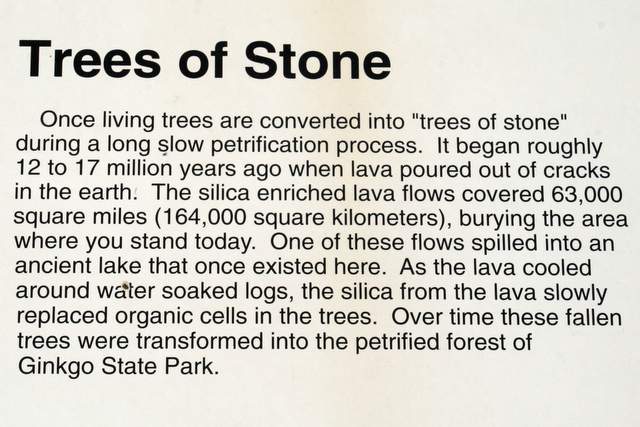
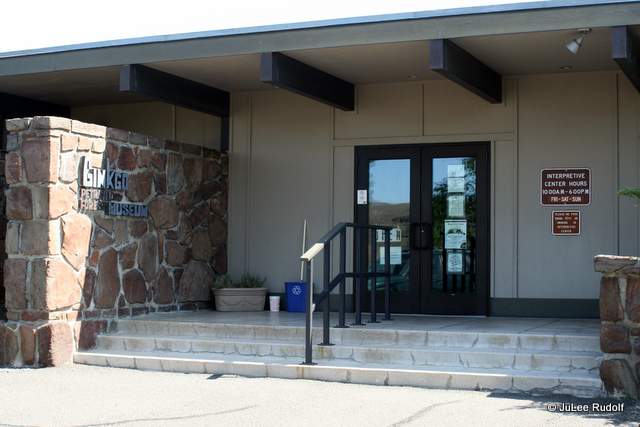
I walked along the path that surrounded the Interpretive center and read the signs that explained such things as the process that led to the petrification of the trees.IMG_1899
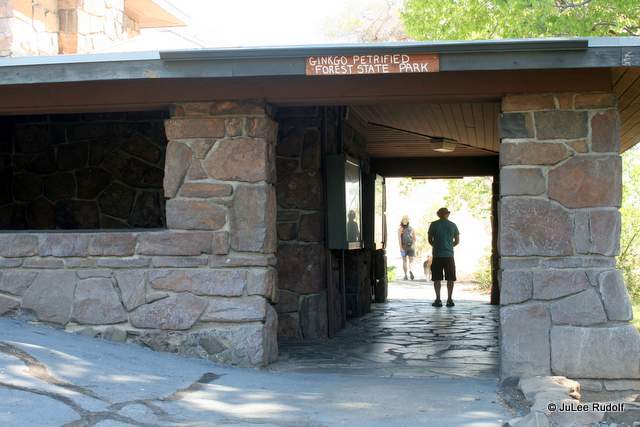
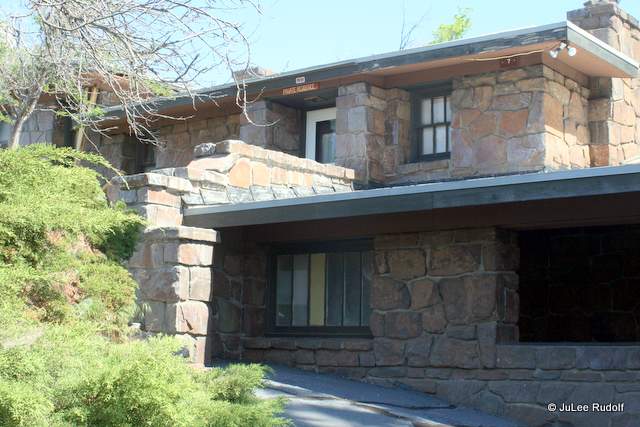
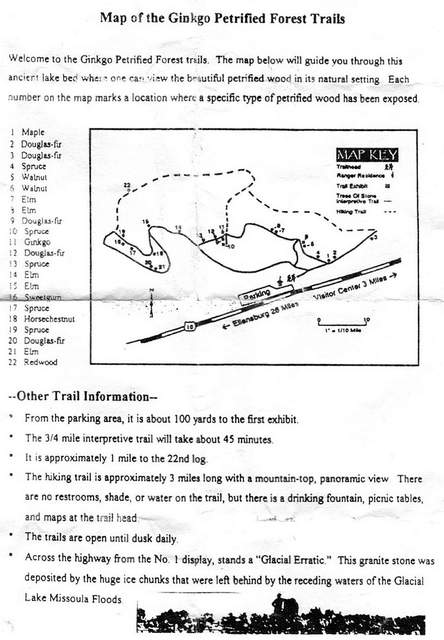
Inside the Interpretive Center, I checked out the displays that contained dozens of samples of various species of petrified trees and other related items. The friendly gal at the information desk told me that the petroglyphs located outside were authentic and had suffered surprisingly little vandalism during the years since they’d been located at the current site. She gave me a map of the Ginko Petrified Forest Trails, located three miles away along the Vantage Highway, and assured me it’d be difficult to get lost out there as it was entirely out in the open.
IMG_1907
She said that some of the best samples of petrified wood were just outside the Interpretive Center, like the one below, located in the parking lot.
IMG_1901
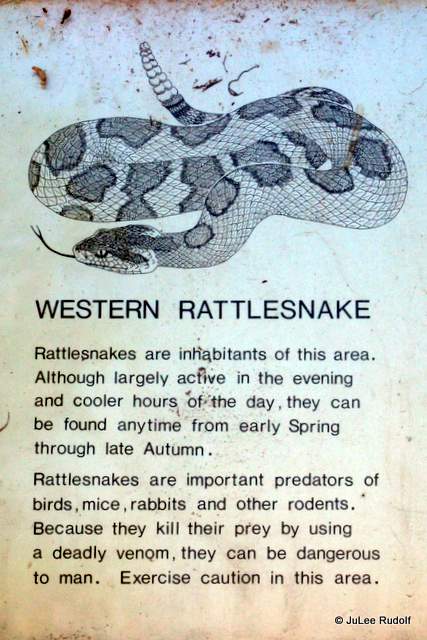
I made my way past the Trail To Indian Picture Rocks 60 Yards and Western Rattlesnake warning signs
IMG_1909
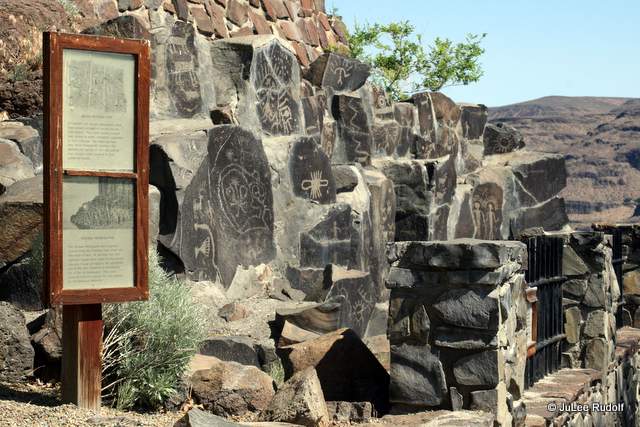
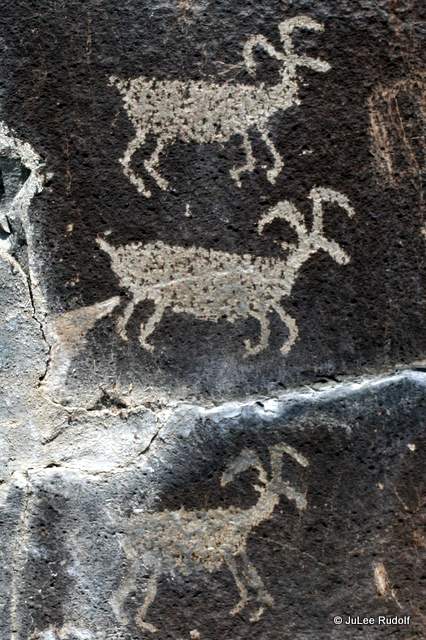
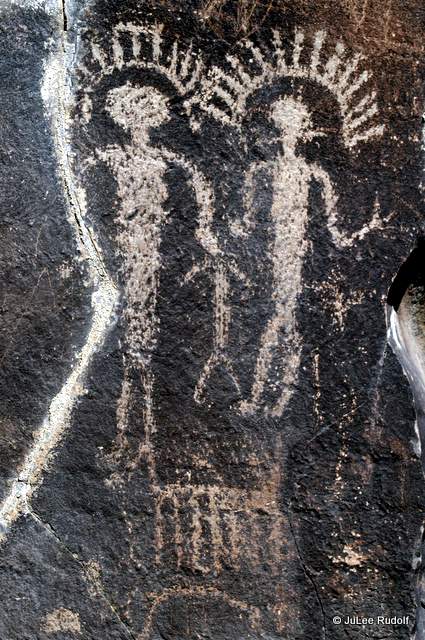
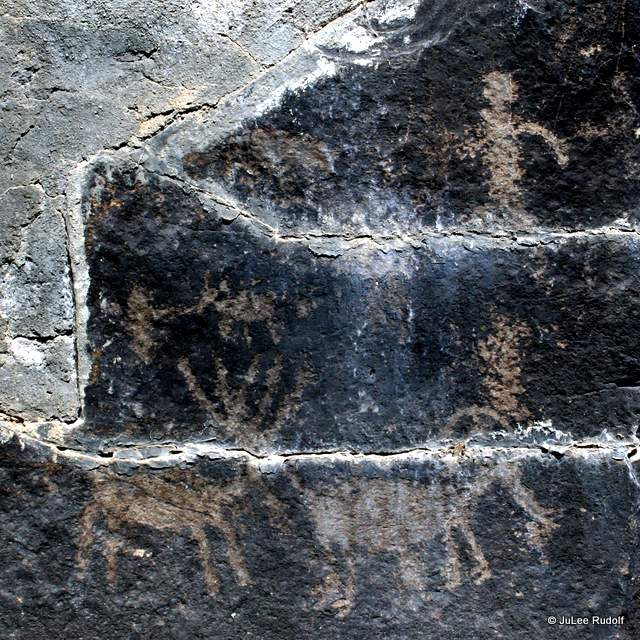
to the petroglyphs. The upper half of the sign says, “Petroglyphs are figures or symbols which were pecked, abraded or carved into the rock surface. They were usually located near bodies of water, prehistoric campsites or trail crossings. The meanings have disappeared, however, the symbols and figures of man and animals may concern tribal, religious or food gathering events,” the lower, “The Vantage Petroglyphs were originally located along the Columbia River about one mile north of here. At one time over 300 separate figures were visible on the basaltic columns. These petroglyphs are considered one of the best examples of petroglyphic are in Central Washington. They were removed from the original site, now covered by the Wanapum Reservoir.”
IMG_1912
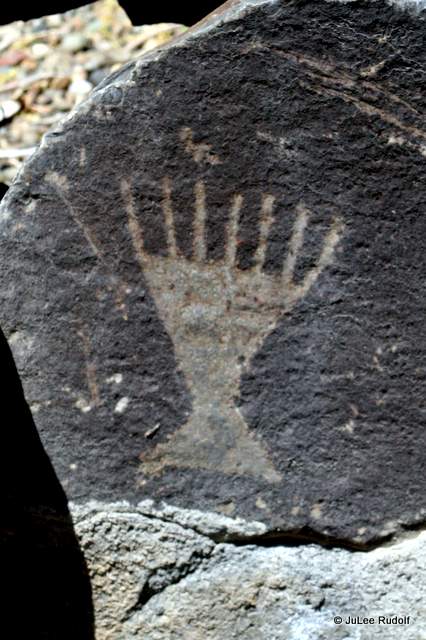
The Washington Rural Heritage site includes this image, entitled George Robinson examining petroglyphs on basalt cliff face near Vantage, Washington, September 1941 of the petroglyphs in their original location. These are close ups of some of the petroglyphs.
IMG_1917 IMG_1921
According to a Snohomish Middle School site entry entitled Native American Petroglyphs of the Pacific Northwest, the following petroglyph is, “An excellent example of the “twins” motif commonly used to depict a supernatural “guardian spirit” of members of Central Washington and Central Oregon plateau tribes. Notice the rays above the heads of both figures. These rays could have represented tribal status (such as a headdress) or deity status (such as the halo concept mentioned earlier).”IMG_1915
IMG_1913-001
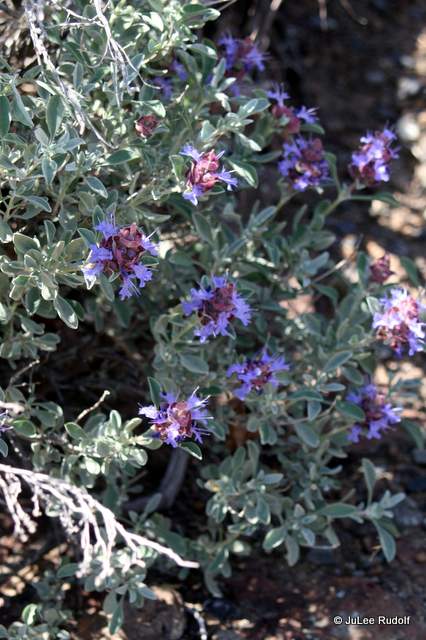
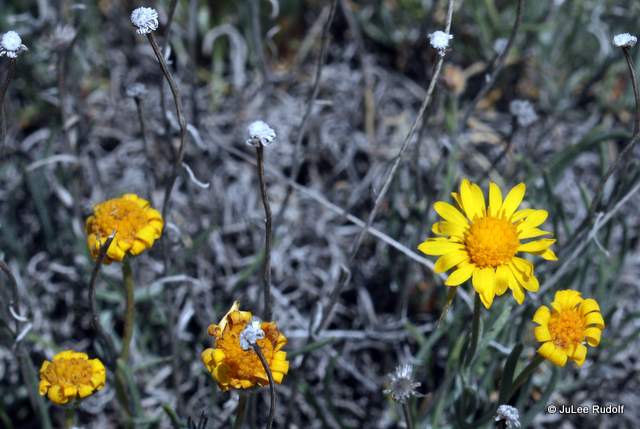
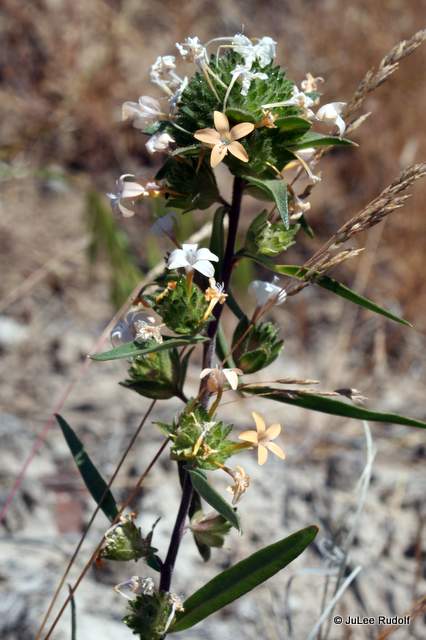
Having avoided encountering rattlesnakes, I quickly took a couple of photos of some flowers I’d never seen before, returned to the car and drove about three miles to the Ginko Petrified Forest Trails located behind an enormous, dusty parking lot. I made my way towards the covered entrance to the trails, noting the historic house that is now marked “private residence.”
IMG_1928-001 IMG_1929I asked a family of hikers where they’d hiked and learned that it had taken them about an hour to complete the loop shown on the map. I walked towards the right where I saw saw samples 1 (Maple) and 2 (Douglas Fir).IMG_1922
001

IMG_1932
Even though I knew it’d be hard to get lost, I tried, ending up near the metal fenced park boundary after missing the turn. I returned to the junction and continued in a counterclockwise direction along the trails, taking photos and stopping to look at the petrified wood. It was warm, dry and a little lonely out there IMG_1948
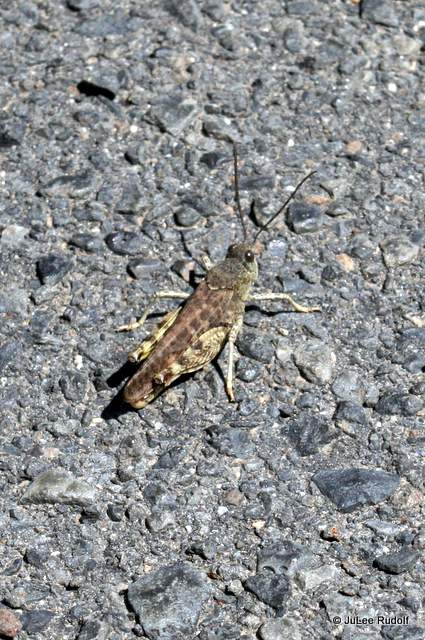
except for these grasshoppers that flew around scaring me. I paid attention to rustling grass as the same warning sign about the Western Rattlesnake that I’d seen earlier at the Interpretive Center was here too.
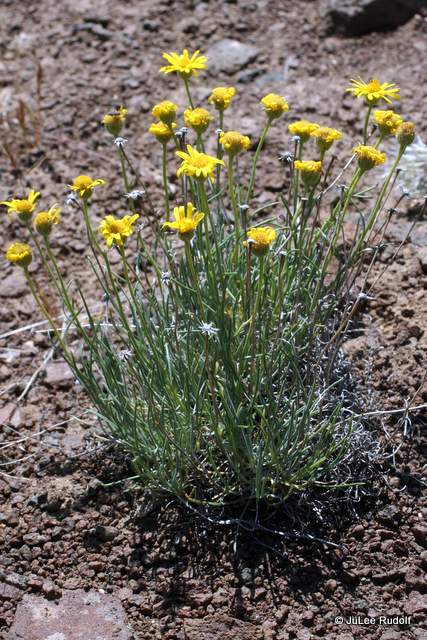
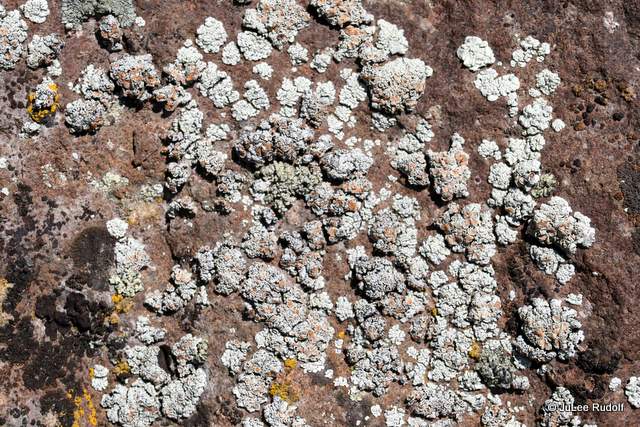
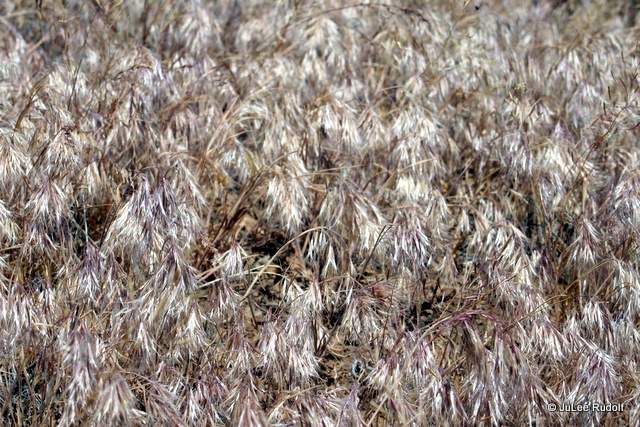
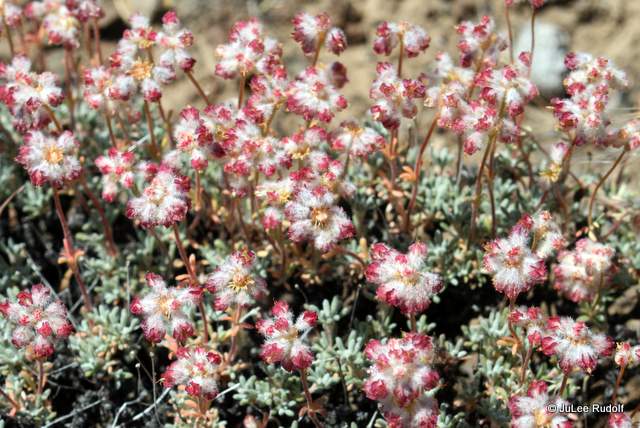
IMG_1934 IMG_1940 IMG_1947IMG_1957 IMG_1963In addition to the unfamiliar flowers, at or after their bloom cycle scattered along the edges of the trail and beyond, there were many species of lichen and grasses.
IMG_1966 IMG_1967 IMG_1973 IMG_1974
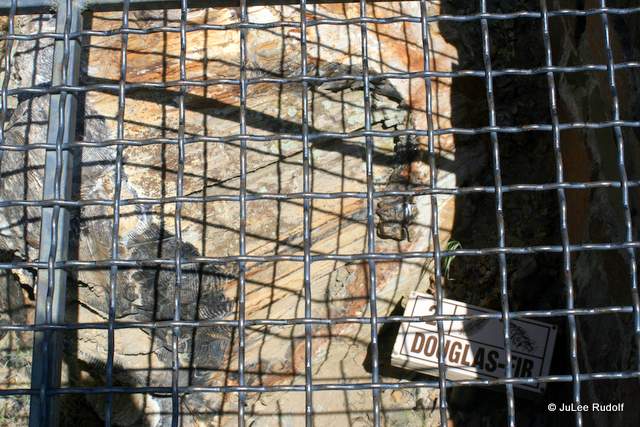
During the 45 minutes I spent at the site, I encountered about ten persons. Here are some of the caged samples with a couple of my fellow hikers to provide perspective. I think they are numbers 11 (Ginko), 12 (Douglas Fir) and 13 (Spruce).
IMG_1980
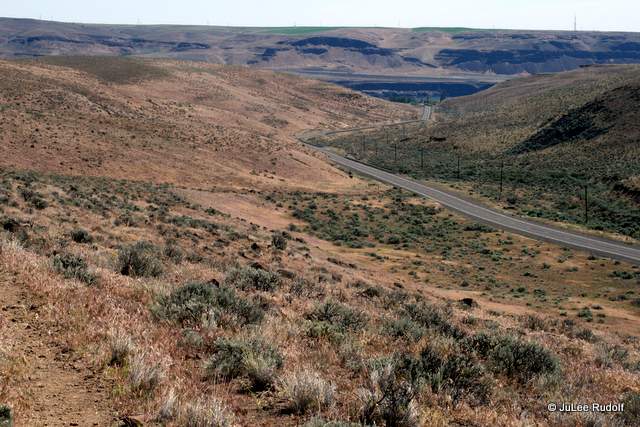
When I’d seen enough petrified wood encased in cages, which, though understandable for safety’s sake, did detract from the experience, I made my way back to the parking lot, taking in the sights of extreme dryness.
IMG_1981 IMG_1985 IMG_1989Once I’d returned to the road, I thought about the hike. My only regret was that I hadn’t arrived about a month sooner, in early April, when the flowers would likely have been in full bloom.

IMG_2000IMG_2001A few miles further along Interstate 90 across the Columbia River, I stopped briefly at the Wild Horse Monument, from which I could see the Ginko Petrified Forest State Park Interpretive Center (just right of center in this photo) as well as the river. Now I wish I’d known beforehand about Dori O’Neal’s article Hard Facts on Ginko Petrified Forest State Park published a few years ago in the Seattle Times Travel section that provides information, “If, after visiting the center, you decide to go in search of your own piece of petrified wood, Saddle Mountain, 14 miles east of the center, is the place to start. The mountain is Bureau of Land Management property and open to the public. No permit is required to dig for petrified treasure as long as it’s for personal collection and not for commercial use. Collectors are limited to 25 pounds a day or 250 pounds a year.” A nearly 30 mile detour may have been too much, but at least I could have considered it.
Becoming Bloomies

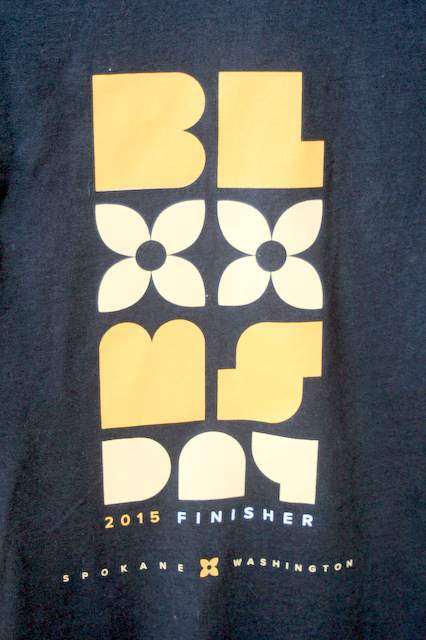
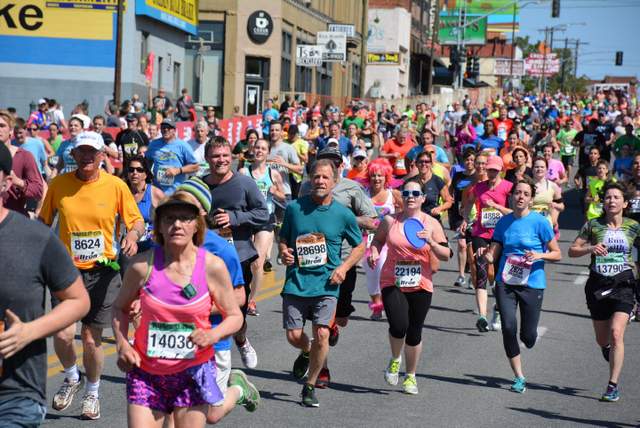
Last summer, my 28-year-old, moving-back-to-Spokane niece Vanessa and I agreed that this year, in 2015, we’d run Bloomsday together. For many runners, this is a sort of bucket list event, primarily because it has so many participants. In fact, it’s the biggest 12K (7.5 mile) race in the country and the fourth largest timed race in the USA with about 50,000 runners annually. For me it was more of an opportunity to spend time with my niece and support her running efforts. And the thought of driving 12 hours within two days didn’t seem daunting with the event nine months away.
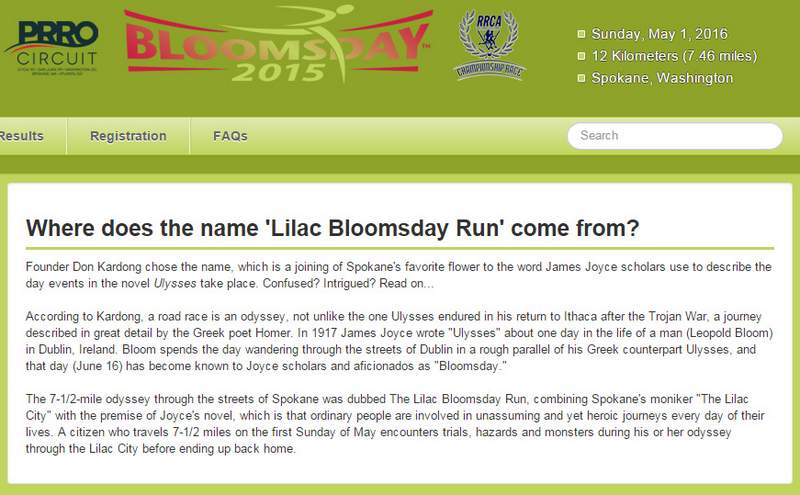
She, like me, is a bookworm, so I asked if we also might want to read James Joyce’s Ulysses together. Vanessa did not take the bait. Many participants do not know that Leopold Bloom, Ulysses’ main character, is the man behind the odyssey of sorts who inspired the race’s name.

Bloomsday - Where does the name 'Lilac Bloomsday Run' come from - Google Chrome 572015 125734 PM.bmp

The two of us trained on our own. And before I began my way across the state, I picked up the audible version of Ulysses, which I’d read twice before, but never much understood, to listen to during my journey.

Chrome Legacy Window 572015 12107 PM.bmp

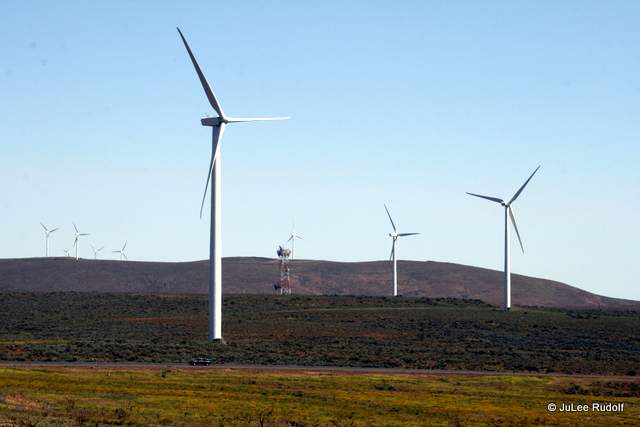
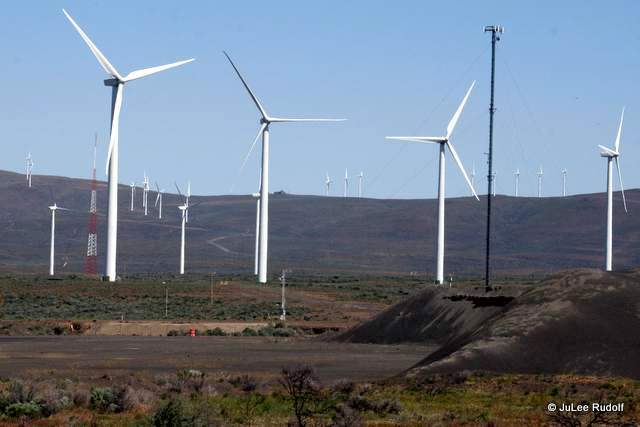
The morning before the race, I set out towards Spokane at 7:30 am with hopes of listening to most of the 7 hour 25 minute audio book along the way. I planned to make one detour, to the Ginko Petrified Forest, at Vanessa’s suggestion. When I noticed a sea of wind turbines and then came upon the Rye Grass Safety Rest Area, with excellent view of the giant structures, I stopped to capture wind energy in action.

IMG_1881IMG_1878

I wasn’t surprised to learn from the US Energy Information Administration that Hydroelectricity is Washington State’s primary source of generated energy, and, for January 2015 at least, its level was more than eight times that of the second largest source: nuclear (who knew?). In 2010, wind provided a mere 4.6% of the total electricity produced in our state. But I digress…

Not far from the wind turbines, I noticed signs for Ginkgo Petrified Forest State Park, which lies along the bank of the Columbia River, but that is another story. After spending some time at the state park, I continued towards Spokane.

IMG_1889IMG_1886-001

IMG_2103Nearing the city, I noticed a Variable Message Sign that provided info about the race expo. Fortunately, Vanessa had agreed to pick up our race bibs and the shirt I thought I had to buy before I learned that the $18 registration fee included one made of cotton, and according to a guy I know named Mike, “Cotton kills,” (which just means it’s not to be worn for exercise), so I was happy to have shelled out an additional thirty bucks for IMG_2105the water-wicking version.

Vanessa’s wife Shannon and their four cats greeted me when I arrived. Actually, the cats pretty much ignored me because that is what they do. The couple lives in a neat old apartment building that lies about a mile from the Bloomsday starting line. That night, we talked a little about the logistical plans for the morning, ate dinner at an Italian place, and hung out with a friend in their apartment, petting cats and watching YouTube videos until late.

Race day weather was perfect with a forecast of clear skies and a hight of 70 degrees. Vanessa was excited to be part of a Corporate team and was determined to put something in the special drop bag they’d given her for that purpose.

IMG_0120

I talked her out of it because of the hassle, and Harrison found a better use for it.

IMG_0123

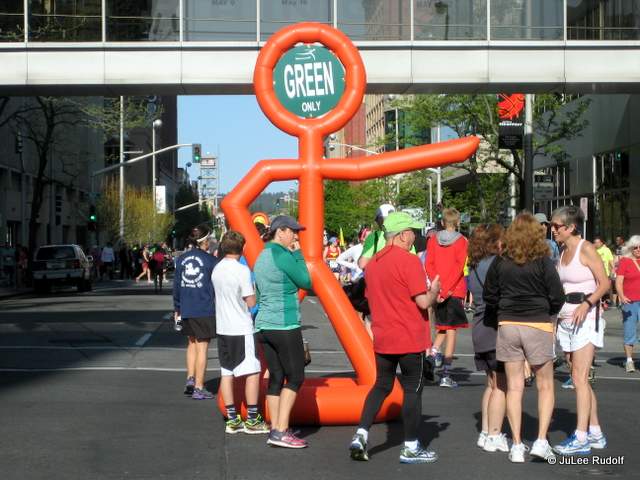
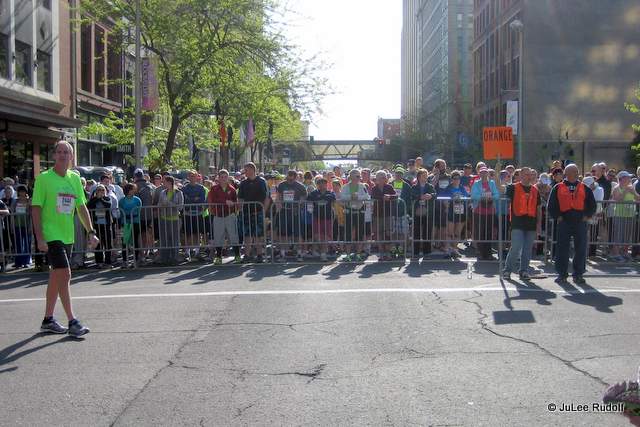
About an hour before the start, We made our way to the race area and followed the orange inflatable stick figure to our designated zone: green, which we landed in based on the finish time I’d predicted for my niece, who’d never before completed a 12K. The orange zoners were corralled into the block behind us.

IMG_0126

IMG_0129

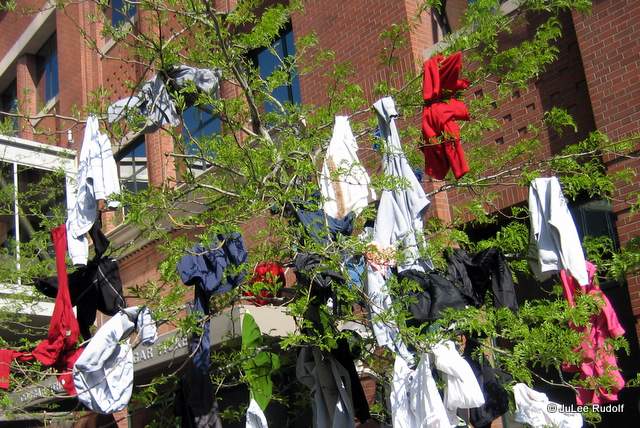
Van and Shan’s friend Sarah had mentioned that we should leave any extra gear in the trees to be donated to local shelters after the event, so we spent a few minutes trying to do so. It was harder than you’d think.

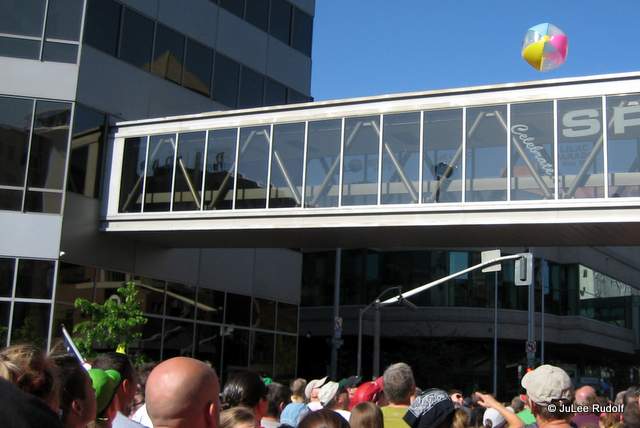
Race info said “no beach balls” because of the potential danger to those who might be unexpectedly hit by them. So, of course, about ten minutes before our start, out they came.

IMG_0138IMG_0136

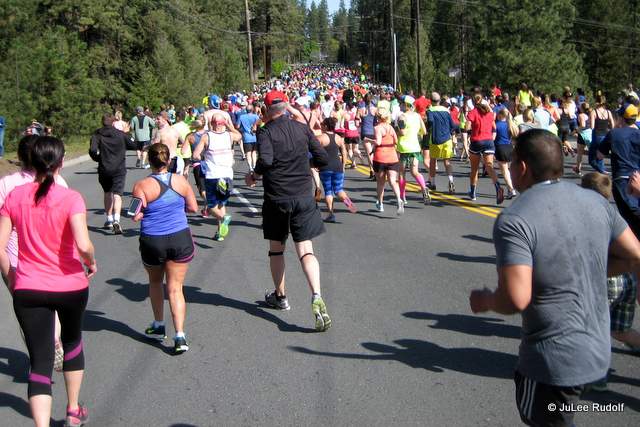
Finally, it was our time to start. We shuffled up closer to the start line to fill in the gaps before the starting gun went off, scaring the you know what out of me. And we were off, with tens of thousands of others…though not moving very quickly.

IMG_0133

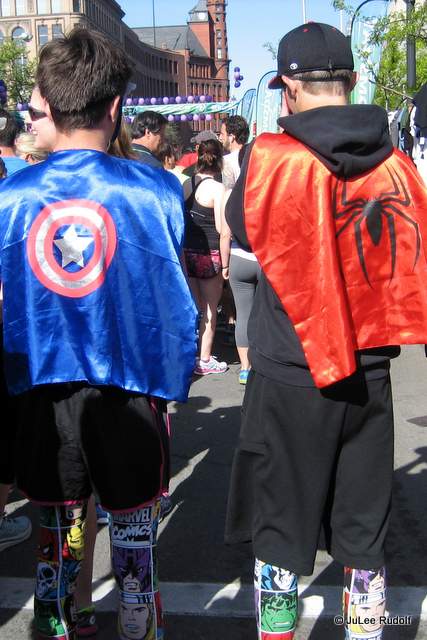
Many participants ran in costume.

IMG_0140

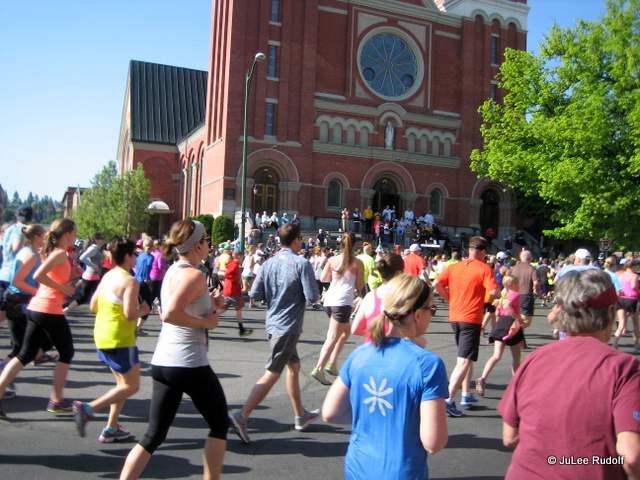
Not far from the start, we passed parishioners on the steps of a church clapping and singing.

IMG_0141

Vanessa and I talked about her goals for the race. I’d already told her that my plan was to stick with her through stop or go (or walk, or slow), though I was hoping she’d try to run the entire distance. After all, she was an all-season athlete in her freshman year of high school and played softball all four years.

IMG_0142

She kept a very consistent pace during the first downhill and uphill section. Soon, we neared the two mile mark, at which point, Vanessa confessed, “The most I’ve run to prepare for this was about two miles.” Huh? This was news to me. Not far past the two mile mark, a clarification, “Actually, the most I’ve run is 1.7 miles, to the ice cream shop in our neighborhood.” I’m pretty sure that was when I told her, with a smile, that if I’d known ahead of time that she’d trained so little, I wouldn’t have driven six hours to run with her…
For someone who’s longest training run was only about one-fourth of the race distance, she ran surprisingly well. She said she’d like to run slower for the first few miles and speed up at the end. I suggested she continue at a consistent pace throughout, and try to run the entire thing…including the hill, and stop for water at all four aid stations (in order to avoid what The Oatmeal calls the “sprint-choke”).

Chrome Legacy Window 582015 33116 PM

IMG_0144IMG_0148

She agreed, as we approached the Doomsday Hill, which we could see from a distance as we neared mile four. Because we weren’t running very fast, the hill didn’t intimidate either one of us. We made our way to the top where a person in an inflated vulture costume greeted us.IMG_0147IMG_0146

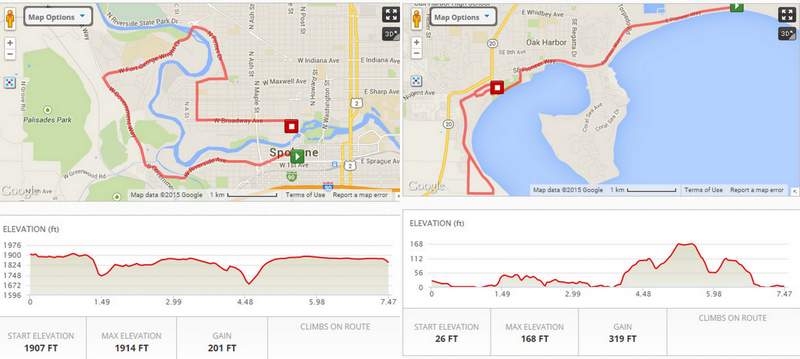
I have to make a quick tangent here to point out the fact that, except for this particular hill, the Bloomsday course is relatively flat. In fact, if you place the last 12K of the Whidbey Half side by side with Bloomsday, you can see that its 319 feet of climb exceeds that of Bloomsday’s 201 feet. Just sayin’.Screen Captures13-001

One of the best things about the course, besides the fact that it’s pretty flat, is that it ends in a descent. We’d dodged other runners all along, and that did not change through to the finish line.

bazu-6098594 (1)

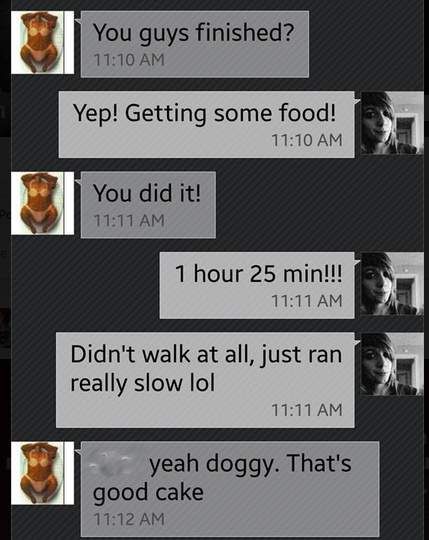
We high-fived to our success (I was totally impressed). Vanessa’s friend provided one of the strangest (but coolest) congratulatory post-race remarks.

Chrome Legacy Window 572015 11742 PM.bmp

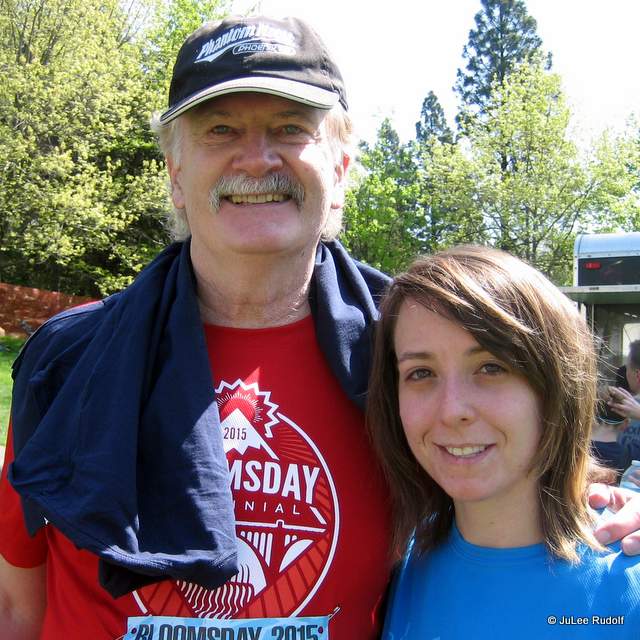
Afterwards, Vanessa took me as her guest to the special zone for Corporate team members, where we waited in line for food. The man in front of us was Charlie Bean, one of 104 “Perennials,” persons who have run every single Bloomsday race since it began 39 years ago. He said that during the first year, they got a t-shirt and hamburgers and hot dogs afterwards. That was the year that Frank Shorter won.

IMG_0151
For Vanessa, best of the race: having Auntie’s support (aww), seeing all the people who participated in and supported the Bloomsday run, and the live music and spectators because both were very distracting in a good way. Worst: weaving through all the people at the always congested water stations, though it wasn’t too bad. She plans to run it again next year, better prepared, and try for a PR. For me, best of the race: without a doubt, accompanying Vanessa on her successful quest to complete the race without walking.

Chrome Legacy Window 582015 74818 PM.bmpMy advice to prospective participants: skip Ulysses and just run the race. If possible, befriend Vanessa. She’s a great host and an inspiring running partner.

During my six hour drive home, I finished listening to one day in the life of Leopold Bloom. The third time was not a charm. I still just don’t get it. And I truly wish that I did. The fact that Modern Library ranked it first on The Board’s List of 100 Best Novels and I can’t seem to like much less understand it troubles me. If I must read about just one day, give me Mrs. Dalloway (or Ivan Denisovich) over this guy’s strange story.

Design a site like this with WordPress.com
Get started